


The landscape of cryptocurrency off-ramping is undergoing a profound transformation in 2025, largely driven by the rapid adoption of stablecoin cards. These innovative payment solutions are bridging the gap between digital assets and everyday commerce by enabling users to spend stablecoins like USDC and USDT directly at millions of merchants worldwide. Unlike earlier crypto cards that required multiple conversion steps or relied heavily on centralized exchanges, today’s stablecoin cards offer instant crypto-to-fiat conversion at the point of sale, eliminating friction and greatly expanding usability.

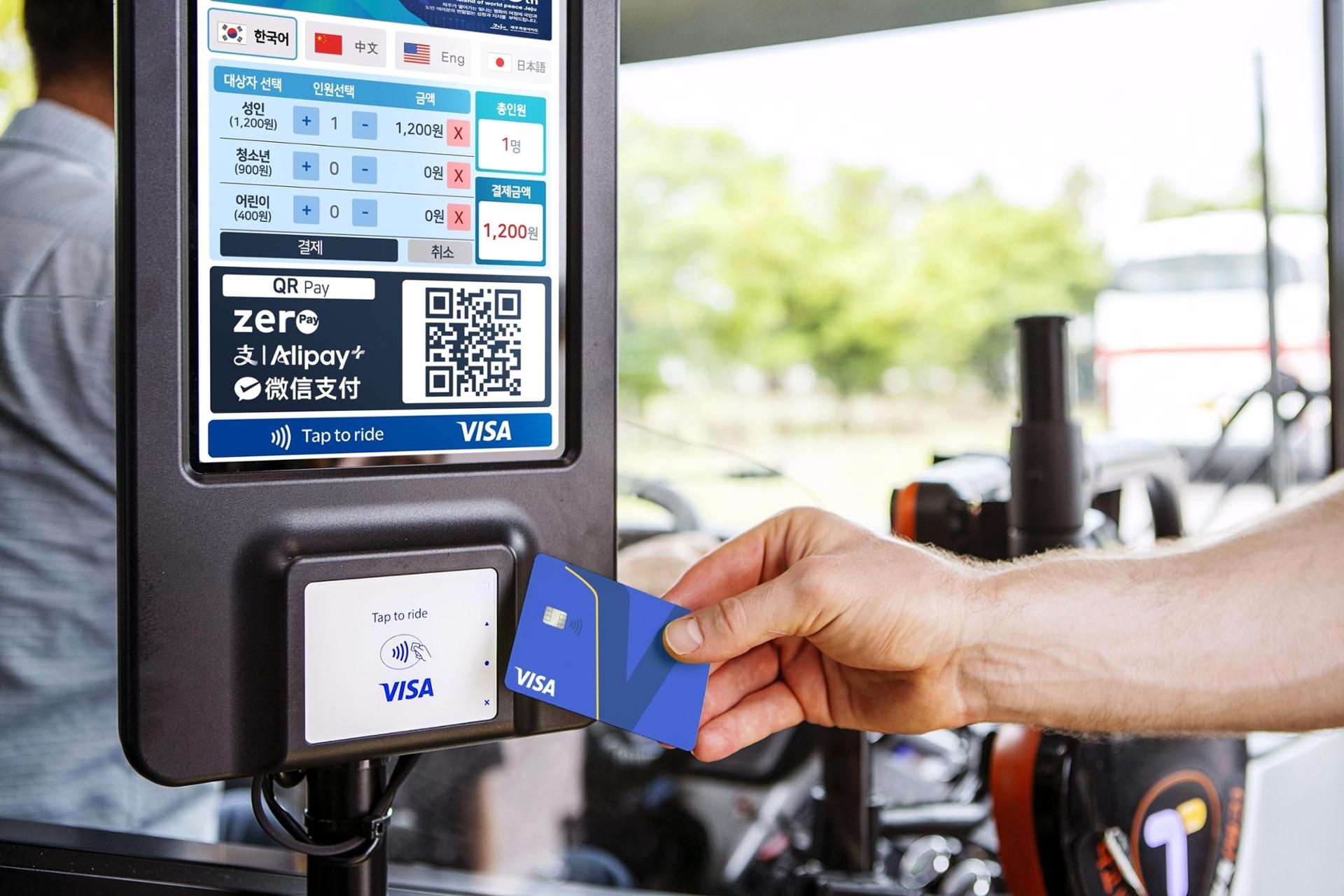
Stablecoin Cards: The New Standard for Crypto Off-Ramp Solutions
In previous years, converting crypto to fiat was often cumbersome, involving withdrawal limits, lengthy KYC processes, and unpredictable settlement times. In contrast, stablecoin card platforms now integrate directly with global payment networks such as Visa and Mastercard. This integration allows users to bypass traditional banking rails entirely. For example, Visa’s recent partnership with Bridge (a Stripe subsidiary) has enabled stablecoin-linked cards across Latin America. Consumers in Argentina, Colombia, Ecuador, Mexico, Peru, and Chile can now pay with their digital dollars at over 100 million merchants, Bridge handles real-time conversion from USDC to local currency seamlessly.
This direct approach is a game-changer for both privacy advocates and residents in regions with limited or unstable banking infrastructure. Instead of relying on centralized exchanges or wire transfers, which can be slow, costly, or even inaccessible, users simply load their stablecoins onto a card and spend them anywhere that accepts Visa or Mastercard. The entire process is designed for speed and efficiency.
Key Developments Shaping the 2025 Stablecoin Card Market
The competitive landscape for crypto off-ramp solutions has intensified as major financial players commit substantial resources to stablecoin integration:
- Visa’s Stablecoin Push: By launching stablecoin-linked cards through Bridge in Latin America, Visa is setting a precedent for global adoption. Users benefit from real-time settlement without exposure to volatile cryptocurrencies.
- Mastercard’s Solana-Based Initiative: Mastercard’s partnership with Fiserv leverages Solana’s high throughput network via the FIUSD stablecoin. This move demonstrates growing institutional confidence in blockchain-powered payments.
- Emergence of Stablecoin-First Wallets: Platforms such as MetaMask and Transak now support direct conversion from crypto to fiat via stablecoins within non-custodial wallets, no centralized exchange required.
This wave of innovation is not limited to large institutions; numerous fintech startups are also launching private stablecoin off-ramp solutions, catering specifically to privacy-conscious users who want minimal data exposure while moving funds between crypto and fiat ecosystems.
A Regulatory Framework Built for Trust and Growth
The maturation of the regulatory environment has been pivotal in legitimizing stablecoin payment cards. The U. S. GENIUS Act (enacted July 2025) established strict requirements: all regulated stablecoins must be backed one-for-one by U. S. dollars or low-risk assets held at qualified custodians. This clarity fosters consumer confidence while ensuring systemic stability, a necessary foundation as billions of dollars flow through these new payment rails monthly.
The result? Both consumers and merchants are more willing than ever to embrace crypto-powered spending tools that guarantee price stability alongside regulatory compliance. Stablecoins have evolved from speculative instruments into foundational components of modern payment infrastructure.
The End of Banking Gatekeepers?
The most revolutionary aspect may be how private stablecoin off-ramps are eroding traditional banking monopolies over payments access. With instant crypto-to-fiat conversion built into cards themselves, and no need for legacy bank accounts, the barriers that once slowed mass adoption are rapidly disappearing.
For individuals in underbanked regions, stablecoin cards have become a lifeline. They offer a frictionless way to access global commerce and digital services without the need for a local bank account. This democratization of financial access is not just theoretical but observable in the rapid uptake across Latin America, Southeast Asia, and parts of Africa. As more merchants recognize the value and security of stablecoin transactions, acceptance rates continue to climb.
Privacy remains central to this evolution. Many stablecoin card platforms now offer enhanced privacy features, including minimal KYC options for lower spending tiers and robust encryption protocols throughout the transaction process. For users who prioritize anonymity or operate in jurisdictions with restrictive financial policies, these features are crucial. The shift toward privacy-centric solutions also reflects broader trends within crypto, where personal sovereignty and data security are increasingly non-negotiable.
Comparing Leading Stablecoin Card Providers
The competitive field in 2025 is crowded with both established players and agile newcomers. Cards from Nexo, Crypto. com, Gemini, and Coinbase each offer distinct advantages, ranging from instant rewards paid directly in crypto to low or zero FX fees on global purchases. Meanwhile, regionally focused providers like Mural Pay and Bitso are gaining traction by tailoring their offerings to local market needs.
What sets apart the most successful platforms is their commitment to instant crypto-to-fiat conversion, reliability during periods of network congestion, and transparent fee structures. Users now expect seamless integration between their digital wallets and real-world spending, anything less quickly falls out of favor.
Rewards programs have also matured significantly. While early crypto cards offered modest incentives (often capped at 1-2%), current leaders like Gemini provide up to 4% cashback on select categories, a compelling reason for users to shift everyday spending onto stablecoin-backed rails.
Risks and Considerations for 2025
Despite these advances, prudent users should remain aware of potential risks:
- Regulatory risk: Although frameworks like the GENIUS Act provide clarity in the U. S. , rules can vary dramatically by jurisdiction. Users should verify that their chosen platform complies with all relevant local laws.
- Counterparty risk: The stability of any card depends on its issuer’s solvency and custodial practices. Always opt for cards backed by reputable institutions with transparent asset backing.
- Network reliability: High demand can occasionally lead to transaction delays or service disruptions, especially during volatile periods in crypto markets.
Diversifying across multiple providers can mitigate these risks while ensuring continued access even if one service experiences downtime or regulatory issues.
Looking Ahead: Stablecoins as Everyday Money
The mainstreaming of stablecoin cards marks a watershed moment for both cryptocurrency adoption and financial inclusion globally. As payment networks continue to integrate blockchain rails, and as regulatory frameworks mature, the distinction between digital assets and traditional money will blur further.
The promise for users is clear: fast settlement times, broad merchant acceptance, enhanced privacy controls, and freedom from legacy banking constraints. For many, stablecoins are no longer speculative instruments but practical tools for daily economic life.
This transformation is still unfolding rapidly; new entrants will continue pushing the envelope on privacy, efficiency, and user experience throughout 2026 and beyond. For those seeking deeper insights into how these changes impact both technology adoption and individual sovereignty within payments markets, see our related analysis on how stablecoin cards are revolutionizing crypto off-ramps in 2025.
About the Author