
In 2025, the world of crypto off-ramps looks dramatically different than it did just a few years ago. Stablecoin cards like DeCard and KAST are at the forefront of this transformation, giving users truly borderless, private, and efficient ways to convert digital assets into spendable fiat currency. This isn’t just an incremental upgrade - it’s a paradigm shift in how value moves between the crypto ecosystem and the traditional financial system.
The Rise of Stablecoin Cards: Why 2025 Is Different
Historically, crypto off-ramps were plagued by friction: high fees, slow settlement times, invasive KYC requirements, and limited merchant acceptance. In 2025, however, stablecoin cards have solved many of these pain points by leveraging blockchain interoperability and direct partnerships with global payment networks like Visa.
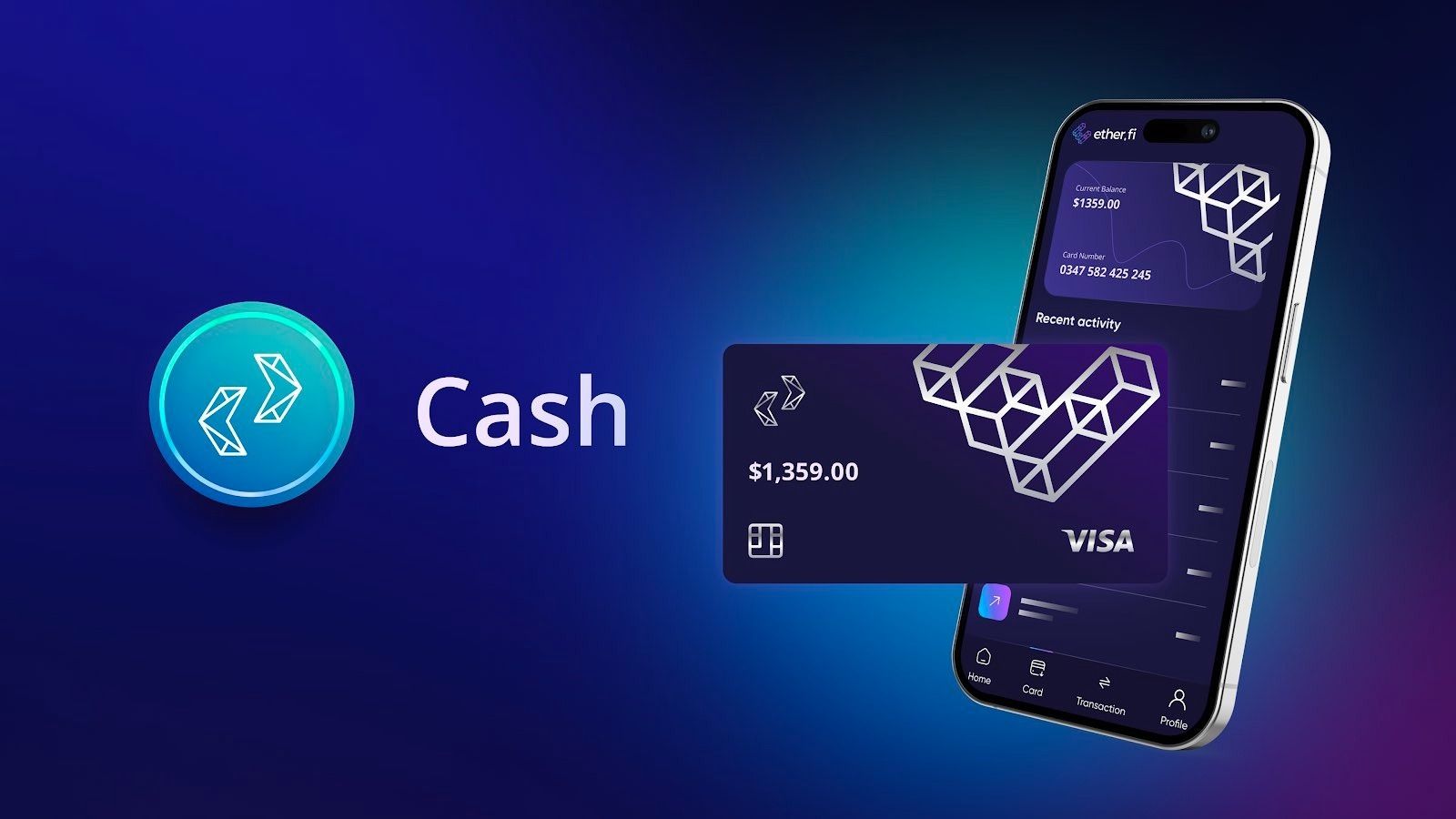
DeCard, for example, allows users to deposit USDC or USDT via Polygon directly into their accounts. Once loaded, funds are instantly available to spend at over 150 million Visa-accepting merchants globally - no need for clunky exchanges or lengthy withdrawal processes. This seamless integration is powered by Polygon’s rapid settlement layer and DeCard’s robust compliance framework.
KAST, a Singapore-based fintech neobank, has taken a similar approach but expanded its reach across multiple blockchains including Solana and Ethereum. Its Visa-backed debit card supports USDC, USDT, and USDe top-ups. With more than 100 million merchants in its network and tiered rewards structures (including up to 4% cashback on their Standard "K Card"), KAST is quickly becoming the go-to solution for both retail users and privacy-focused crypto enthusiasts.
Bridging Digital Assets with Real-World Spending
The innovation here isn’t just technical; it’s strategic. By making stablecoins as easy to spend as cash or credit - without sacrificing privacy or speed - these cards are finally bridging crypto’s “last-mile” gap. Users can now:
- Spend stablecoins instantly worldwide, from coffee shops in Berlin to online retailers in Singapore
- Avoid punitive fees that once made small transactions impractical or uneconomical
- Bypass legacy banking restrictions, especially in regions with capital controls or limited access to modern banking infrastructure
- Enjoy enhanced privacy, as many stablecoin card programs offer non-custodial options with minimal data collection compared to legacy banks
This level of flexibility is particularly appealing for freelancers, remote workers, digital nomads, and anyone who values financial sovereignty.
KAST vs DeCard: Features That Matter Most in 2025
The competition among stablecoin cards is fierce - but nuanced differences set leaders apart. Based on current market data from CoinGecko and Token Metrics:
- KAST’s tiered rewards structure stands out: The free Standard "K Card" offers an impressive 4% cashback on all spending in 2025, while premium tiers deliver even more perks for power users.
- DeCard Luminaries introduces lifestyle benefits: Beyond basic payments functionality, DeCard's new premium Visa credit card targets Web3 professionals with exclusive privileges and integrated stablecoin features.
- No-cost on/off-ramping: Both platforms emphasize fee-free conversion between fiat and stablecoins (subject to network fees), which is a game-changer compared to traditional exchanges or legacy crypto cards that often charge upwards of 3% per transaction.
- Breadth of blockchain support: KAST supports multi-chain top-ups (Solana/Ethereum/Polygon), while DeCard focuses on deep integration with Polygon for faster settlements.
- Learn more about how these innovations are revolutionizing off-ramp solutions here.
This head-to-head competition is driving rapid product improvements - lower fees, better rewards, wider merchant coverage - all benefiting end users seeking instant crypto-to-fiat off-ramping without KYC hassles.
For users, the impact is tangible: stablecoin cards have turned what was once a slow, expensive, and privacy-invasive process into a daily convenience. The days of waiting for crypto withdrawals to clear or worrying about your bank freezing funds due to “crypto suspicion” are quickly fading. Instead, you can now top up in seconds and spend globally with the same ease as a traditional debit card, but with the added benefits of stablecoin security and blockchain transparency.
Key Benefits of Stablecoin Cards in 2025
- Instant Global Spending: Stablecoin cards like DeCard and KAST enable users to spend digital assets instantly at over 100 million (KAST) and 150 million (DeCard) Visa-accepting merchants worldwide, bridging crypto with everyday purchases.

- No Hidden Fees: Leading stablecoin cards offer transparent fee structures, with KAST providing free card options and clear, upfront costs for top-ups and transactions, eliminating unexpected charges.
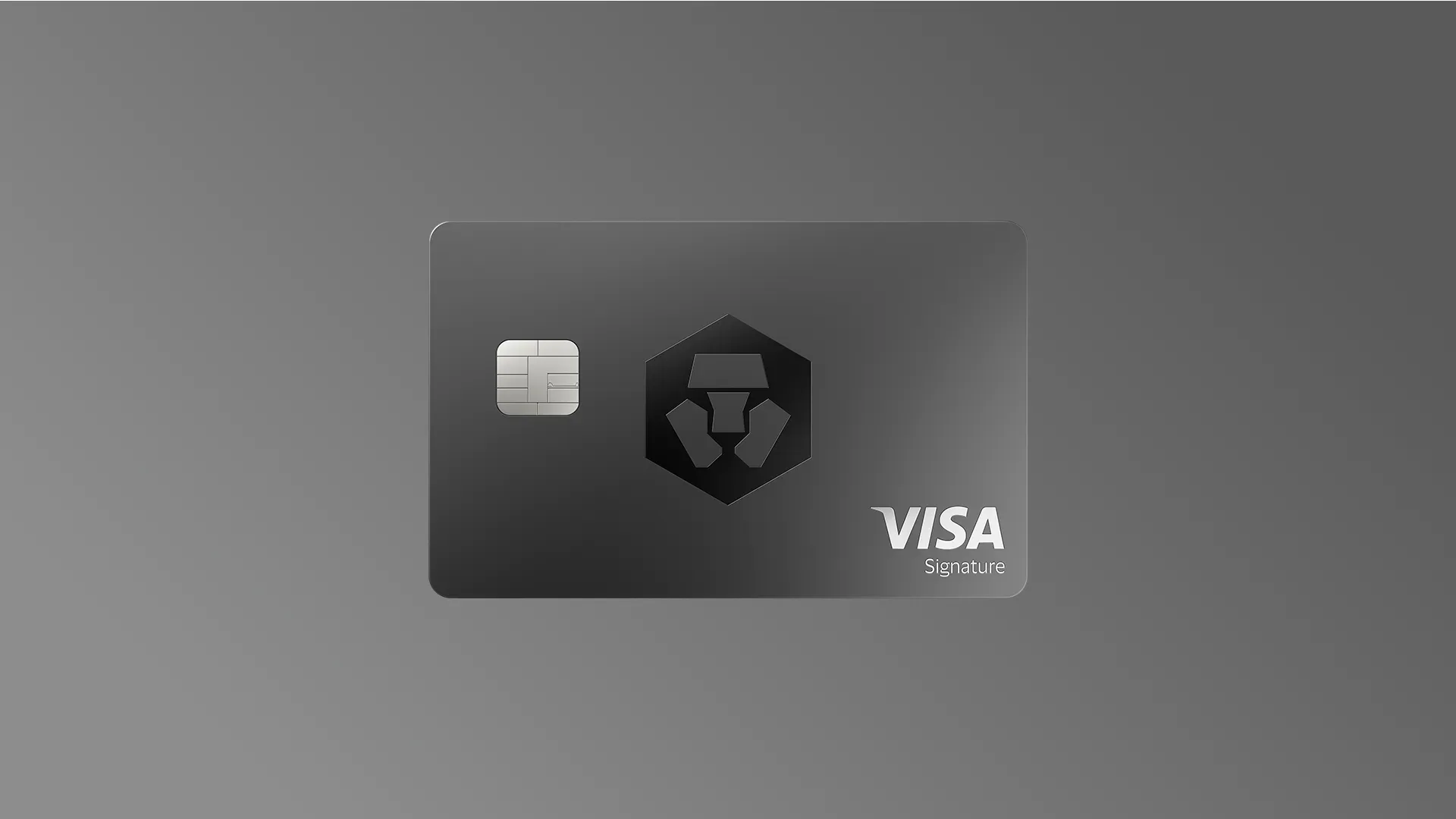
- High Rewards: KAST cards deliver up to 4% rewards on all spending, while DeCard Luminaries offers enhanced privileges and lifestyle benefits, setting new standards for crypto card rewards in 2025.
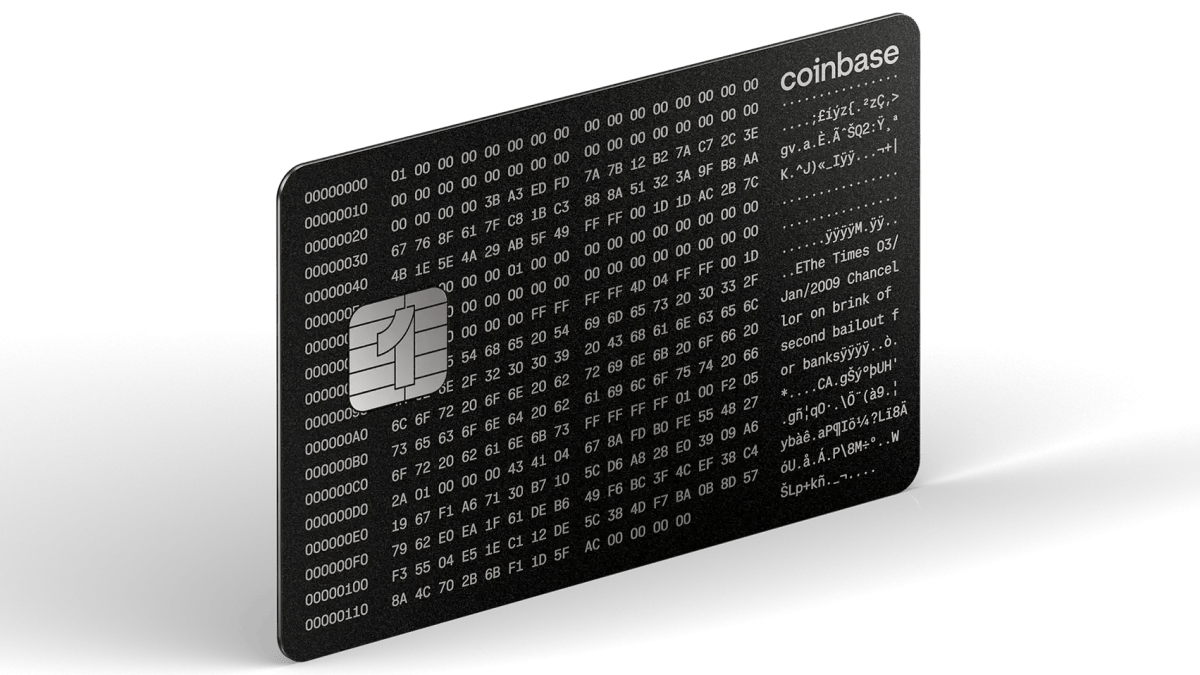
- Multi-Chain Support: Both KAST and DeCard support top-ups via multiple blockchains, including Polygon, Ethereum, and Solana, making it easy for users to fund their cards with stablecoins from various networks.

- Enhanced Privacy: Stablecoin cards leverage blockchain technology and non-custodial models, allowing users to maintain greater control over their funds and personal data compared to traditional banking cards.
Community feedback reflects this shift. Reddit’s r/defi threads are filled with firsthand reports from users who have migrated to KAST or DeCard for both everyday purchases and cross-border payments. Many cite the ability to bypass regional banking limitations and avoid unnecessary conversion fees as top motivators. The consensus? Stablecoin cards are not just another fintech gimmick, they’re solving real pain points for real people.
What Sets 2025’s Leading Stablecoin Cards Apart?
This new wave of off-ramp solutions is about much more than flashy rewards or Visa logos. The real differentiators come down to three pillars: compliance without compromise, borderless usability, and user-first privacy.
- Compliance without compromise: Both DeCard and KAST have invested in robust compliance frameworks that meet regulatory standards across multiple jurisdictions, without forcing users through intrusive data harvesting or endless paperwork.
- Borderless usability: Whether you’re topping up USDC on Polygon or USDe on Solana, these cards make it trivial to access your funds anywhere Visa is accepted, over 100 million merchants for KAST and 150 million for DeCard.
- User-first privacy: Non-custodial options and minimal data retention give users far more control over their financial footprint than legacy banks or even most neobanks can offer.
The result? Stablecoin cards are unlocking new use cases, payroll for remote teams, travel spending without FX gouging, peer-to-peer commerce in emerging markets, that simply weren’t possible at scale before.
The Road Ahead: What’s Next for Stablecoin Off-Ramps?
The momentum behind stablecoin card adoption shows no signs of slowing. As more blockchains become interoperable and on/off-ramp providers expand their coverage into new regions (including Africa, Southeast Asia, and Latin America), expect even greater consumer choice, and even tighter competition among providers like DeCard and KAST.
The next phase will likely see deeper integration with DeFi protocols (for yield on idle balances), improved mobile wallet experiences, and further reductions in transaction costs as Layer-2 adoption grows. For privacy advocates, the emergence of decentralized identity frameworks may also enable even more frictionless onboarding without sacrificing regulatory compliance.
If you’re evaluating your own crypto off-ramp strategy, or simply want a better way to spend digital assets globally, it’s worth comparing features side by side. Check out our comprehensive guide on how stablecoin cards will revolutionize off-ramping in 2025.
The bottom line: Stablecoin cards like DeCard and KAST have taken crypto from speculative asset class to practical payment tool. In doing so, they’re not just transforming global off-ramps, they’re redefining what financial freedom looks like in a borderless digital economy.


No comments yet. Be the first to share your thoughts!