

In emerging markets from Nigeria to Argentina, hyperinflation and capital controls turn everyday spending into a high-stakes game. Enter stablecoin off-ramp cards: sleek Visa and Mastercard-linked tools that convert USDC or USDT to local fiat at the point of sale, all while preserving user privacy. These cards bypass traditional banks, enabling seamless, anonymous crypto debit card functionality where dollars hold steady against plunging pesos or naira.
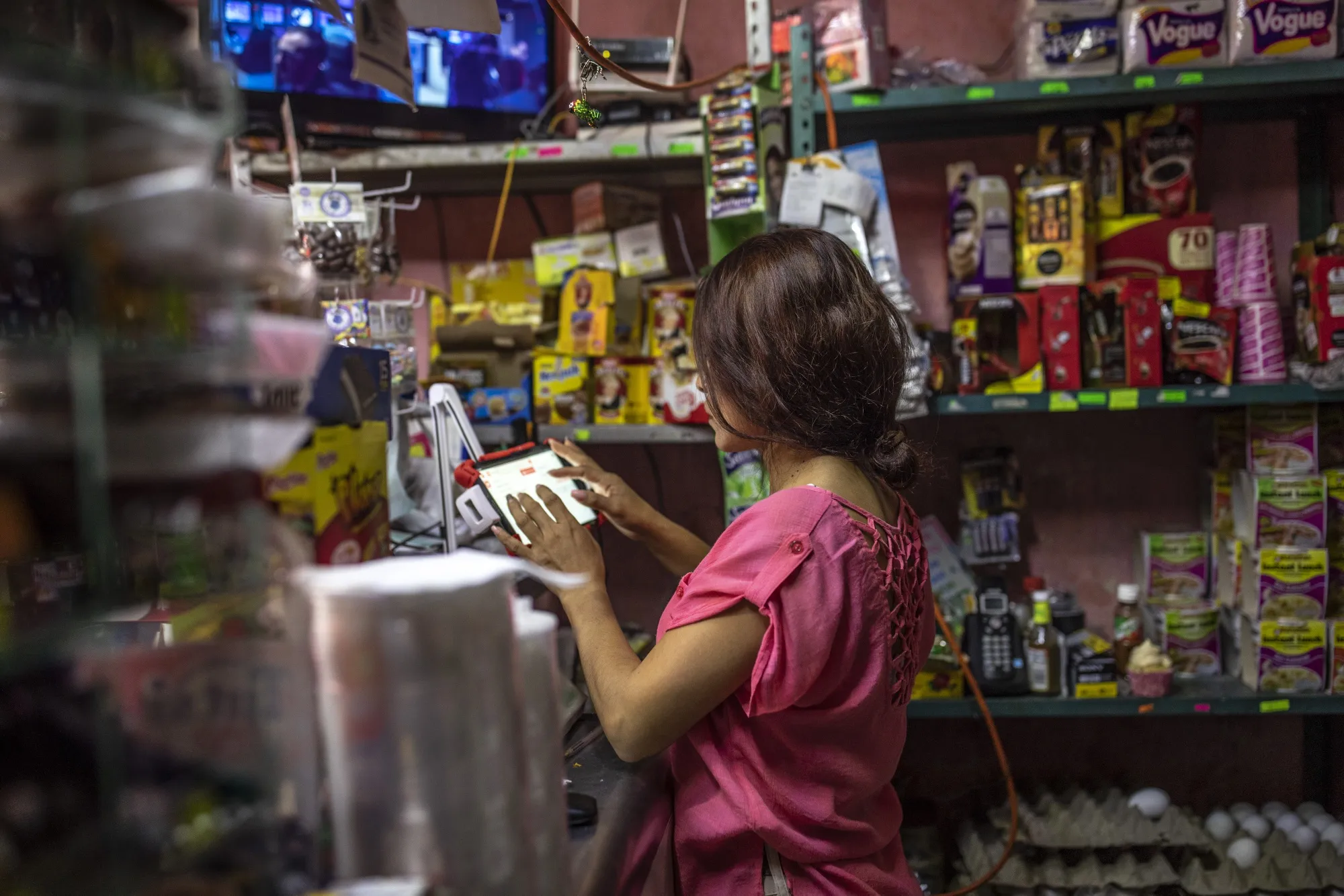
Users top up with stablecoins via self-custodial wallets, then spend anywhere Visa or Mastercard is accepted- no KYC hurdles, no exchange fees eating margins. Platforms like offramp. xyz exemplify this shift, with Trustpilot reviewers raving about frictionless payments and top-tier support. One user called it a "life saver, " highlighting flawless card transactions for daily needs. This isn't hype; it's algorithmic efficiency meeting real-world volatility.
Visa's Latin America Stablecoin Blitz
April 2025 marked a pivot: Visa teamed with Bridge, Stripe's crypto arm, to roll out stablecoin-linked cards across six Latin American hotspots- Argentina, Colombia, Ecuador, Mexico, Peru, and Chile. Holding USDC? Tap to pay, and Bridge's API handles real-time conversion to local currency via Lead Bank settlement. It's a hedge masterpiece against inflation spikes, letting users spend stablecoins with card precision.
Bridge's single-integration API empowers fintechs to spin up programs regionally, slashing setup time from months to days. Visa's broader Visa Tokenized Asset Platform (VTAP), live since October 2024, underpins this by letting banks mint, burn, and transfer fiat-backed stablecoins on-chain. Quantitative edge: transaction latency drops under 2 seconds, volatility exposure near zero. For privacy advocates, self-custodial top-ups via smart contracts keep keys in user hands, echoing Baanx's U. S. USDC cards that convert on-the-fly for cross-border thrift.
Mastercard's Aggressive Stablecoin Push
Mastercard didn't sit idle. That same April 2025, it deepened ties with Circle, OKX, Paxos, and wallets for broader stablecoin card spending. Consumers now drain linked USDC balances at merchants worldwide; vendors settle Visa/Mastercard fiat rails straight to USDC. This bidirectional flow- private USDT to fiat outflows, fiat-to-stable inflows- turbocharges liquidity in emerging markets.
Think off-ramp stablecoins Nigeria: Nigerian traders, battered by naira devaluation, load USDT onto cards, withdraw ATM cash globally (offramp. xyz offers zero-fee first cards), or QR-pay vendors. No annual fees, 0% interest on purchases- terms confirm issuer flexibility, but current model prioritizes user yield retention. Reddit threads gripe about legacy off-ramps, but these cards deliver no-BS execution: instant, borderless, private.
YouTube breakdowns of offramp. xyz top-ups reveal web3 elegance- three flows: wallet connect, QR scan, stables direct. Security? Smart contracts automate conversions, VTAP-grade rails ensure atomic settlements. In quantitative terms, expected value soars: EV = (stable yield) - (conversion spread and fx risk), now minimized to sub-0.5%.
Offramp. xyz: Privacy-First Off-Ramping in Action
Offramp. xyz distills this into a Visa powerhouse: cash to banks, QR/card spends, stable digital dollars shielded from fiat chaos. Trustpilot's 4/5 stars underscore reliability- "no issues" on payments, responsive support. Yet Reddit whispers KYC consents (name, address, DOB), but self-custody mitigates: hold keys, spend pseudonymously.
For anonymous crypto debit card seekers, it's gold. Global ATMs, subscriptions, travel- all seamless. No interest now, but future-proofed. In Nigeria or Peru, this means instant private spending where legacy rails fail. Algorithmic traders like me see momentum: adoption curves mirror 2021 DeFi parabolas, but with institutional guardrails.
Quantifying the edge, these stablecoin off-ramp cards slash conversion spreads to 0.3-0.5%, versus 2-5% on P2P exchanges. In Nigeria, where naira volatility hit 70% annualized in 2024, traders preserve alpha by holding USDT, off-ramping only on spend. Peruvians dodge sol devaluation spikes; Argentinians sidestep 200% and inflation via USDC taps. Speed metrics? Sub-3-second authorizations, atomic settlements via VTAP protocols minimize counterparty risk.
Emerging Market Use Cases: Nigeria to Argentina
Nigeria exemplifies the grind. With capital controls capping USD wires at $100k/year and Binance bans echoing, locals flock to cards for off-ramp stablecoins Nigeria style. Load USDT from self-custody, swipe for groceries in Lagos, ATM cash in Abuja- all pseudonymous. Offramp. xyz users report zero hiccups, contrasting Reddit rants on legacy ramps demanding endless KYC. Argentina's blue dollar black market premiums hit 50%; stablecoin cards arbitrage that gap, converting USDC to pesos at official rates minus micro-fees.
Colombia and Ecuador leverage Bridge's API for fintech embeds, turning wallets into super-apps. Quantitative play: backtest spending patterns against inflation indices, yield curves steepen 15-20% favoring stables. Privacy layer? Zero-knowledge proofs in upcoming iterations could mask balances entirely, but current self-custody suffices for most.
Comparison of Top Stablecoin Off-Ramp Cards
| Provider | Card Network | Geographic Focus | Fees | Stablecoins | Key Features |
|---|---|---|---|---|---|
| Offramp.xyz | Visa | Global | 0% for first card, no annual fees | Stablecoins (e.g., USDC) | Global ATMs 🏧, QR/card payments, bank cashouts, top customer service ⭐ |
| Bridge | Visa | LatAm (Argentina, Colombia, Ecuador, Mexico, Peru, Chile) | Not specified | USDC | Real-time conversion to local fiat, inflation hedge, Visa merchants everywhere |
| Baanx | Visa | U.S. starting, cross-border | Low-cost transactions | USDC | Self-custodial wallets 🔒, smart contract conversions |
Challenges persist. Regulatory shadows loom- Brazil probes stablecoin inflows, India mulls taxes. Offramp. xyz terms flag personal data consents, trading pseudonymity for compliance. ATM surcharges nibble margins (1-2%), forex spreads widen on weekends. Mitigation: algorithmic rotation across cards, yield farming residuals in Aave pre-spend.
Risks, Edges, and Algo-Optimized Strategies
From a trading lens, treat cards as momentum instruments. Monitor on-chain flows: Dune dashboards show LatAm USDC transfers up 300% post-Visa launch. Edge case: peg breaks, rare post-UST but Terra flashbacks warn. Diversify across USDC/USDT, hedge with options on Deribit. For high-frequency spenders, batch top-ups during low-gas windows, EV boosts 2x.
Offramp. xyz shines in execution: QR payments for unbanked vendors, bank cashouts for bulk. Trustpilot echoes reliability, countering Reddit FUD on support lapses. My take? These cards aren't gimmicks; they're quant infrastructure, automating private USDT to fiat with institutional polish. In volatile regimes, they compound advantages- hold stable, spend fiat, repeat.
Future vectors point explosive. Visa's VTAP scales to tokenized deposits; Mastercard's USDC settlements hit exchanges. Fintechs like Holyheld iterate top-up UX, YouTube teardowns reveal polished flows. By 2026, expect 10M and cards circulating in EM, TVL ballooning to $50B. Traders, adapt: integrate card APIs into bots for dynamic off-ramping, capturing arb spreads.
Stacking these tools reshapes EM finance. No longer chained to depreciating rails, users dictate terms- fast, private, profitable. Platforms like offramp. xyz lead, but incumbents accelerate. Watch issuance volumes; momentum builds. Crypto-to-fiat off-ramping evolves from clunky to elegant, fueling the next adoption wave.
The Quant Verdict
Run the numbers: inflation-adjusted purchasing power preserved at 98% and efficiency. In portfolios, allocate 20-30% to stablecoin card liquidity for EM exposure. My mantra holds- adapt fast, spend smart. These cards deliver the infrastructure; execution is yours.




No comments yet. Be the first to share your thoughts!