

Solana's ecosystem has exploded in 2026, with stablecoin supply approaching $15 billion and February transaction volume exceeding $650 billion. For users holding USDC on this high-speed blockchain, converting to fiat anonymously remains a critical need amid rising institutional interest from Visa and Western Union. Traditional off-ramps often demand KYC verification, exposing transaction histories to surveillance. This guide dissects private stablecoin off-ramps for Solana users, spotlighting methods to achieve anonymous USDC to fiat conversions without compromising speed or security.
Solana's Stablecoin Dominance and Institutional Momentum
Solana processes stablecoin transactions at scale unmatched by many peers, thanks to its low fees and sub-second finality. USDC, the dominant stablecoin here, benefits from Circle's integration and Visa's recent rollout of USDC settlement for U. S. banks. This allows financial institutions to clear Visa card transactions on-chain instead of sluggish wires, slashing costs by up to 80% in some cases. Western Union's upcoming USDPT stablecoin further cements Solana as a hub for cross-border efficiency.
Yet, this growth amplifies privacy risks. Public blockchains like Solana expose wallet addresses, linking them to fiat endpoints via centralized exchanges. Privacy advocates seek private crypto off-ramp 2026 solutions that obscure these trails. Enter non-custodial protocols and privacy mixers tailored for Solana, enabling users to off-ramp USDC without identity surrender.
Navigating Off-Ramp Mechanics on Solana
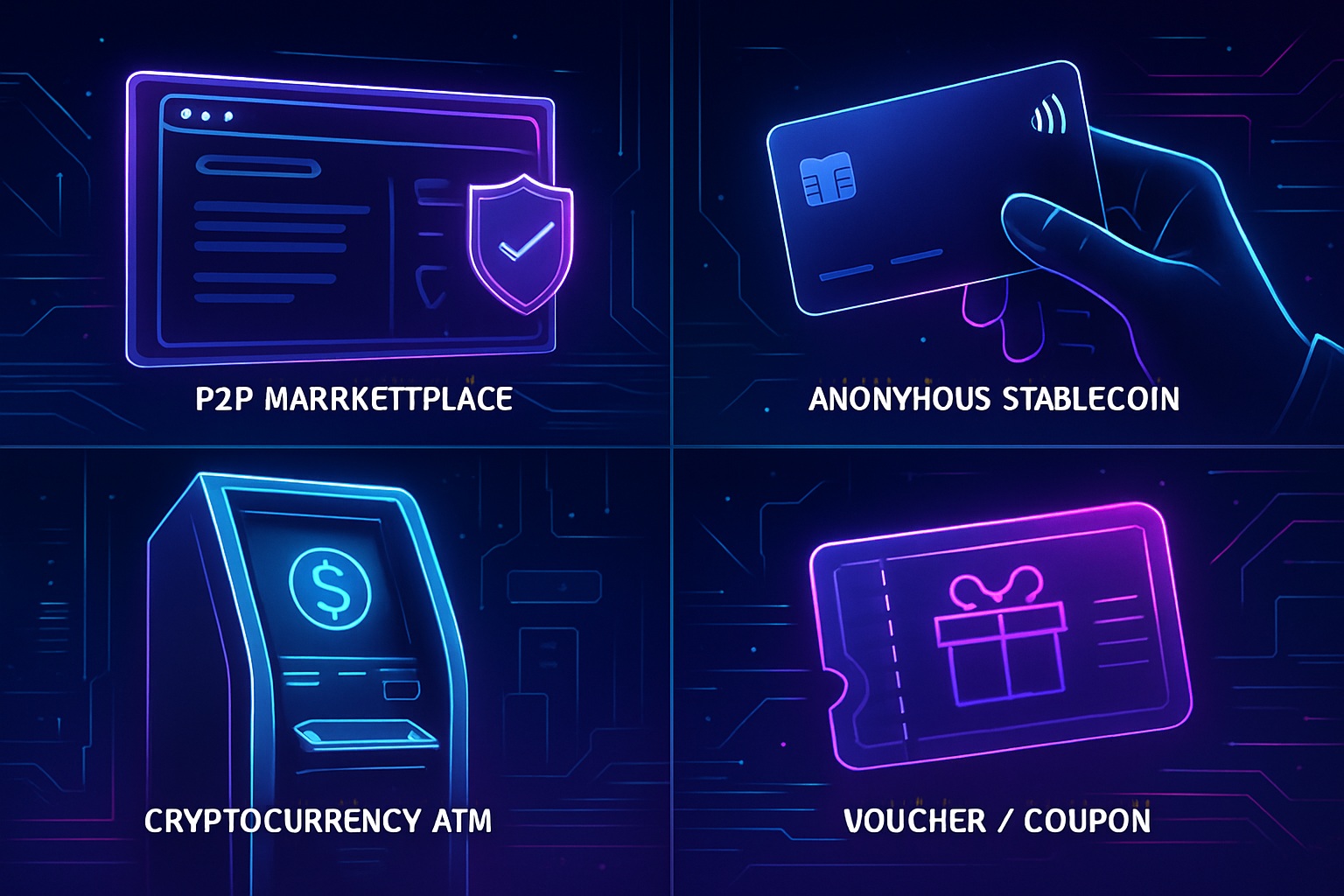
An off-ramp transforms on-chain USDC into spendable fiat, typically via bank wires, debit cards, or cash vouchers. For Solana users, the process starts with bridging USDC to a compatible layer or DEX aggregator. Fees average 0.1-0.5%, far below Ethereum's gas burdens. Outputs include IBAN accounts in EUR, USD, GBP, or Solana stablecoin debit cards for instant merchant spending.
Key distinction: custodial vs. non-custodial. Custodial services like Crypto. com cards offer 8% USDC cashback but require full KYC, flagging large withdrawals. Non-custodial alternatives prioritize anonymity, routing through decentralized liquidity pools or threshold signature schemes.
Top 5 Privacy Features of Solana Off-Ramps
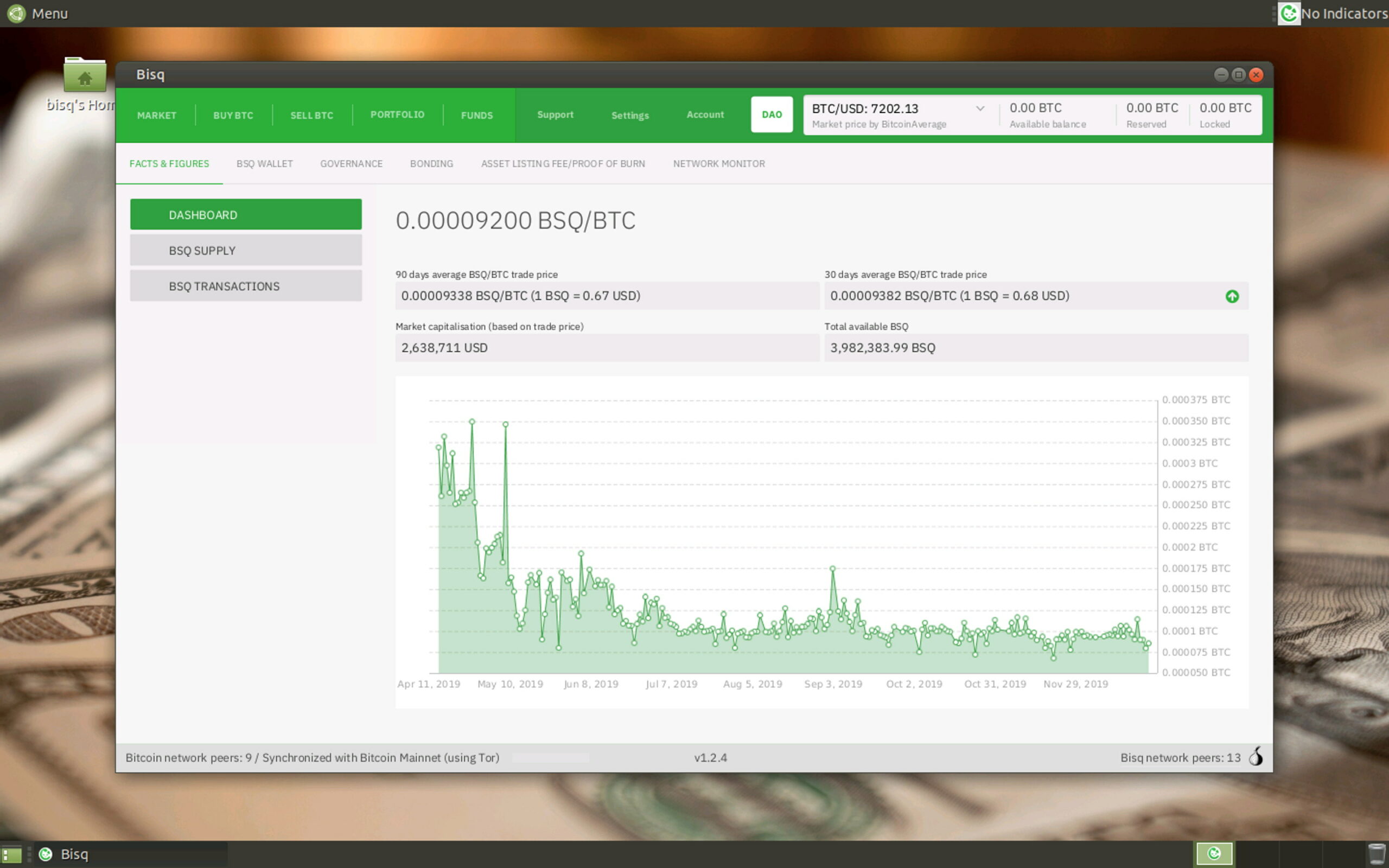
- No-KYC Thresholds: P2P platforms like Bisq facilitate anonymous USDC-to-fiat exchanges without ID verification, complying with regulatory limits for small-volume trades while preserving user privacy.
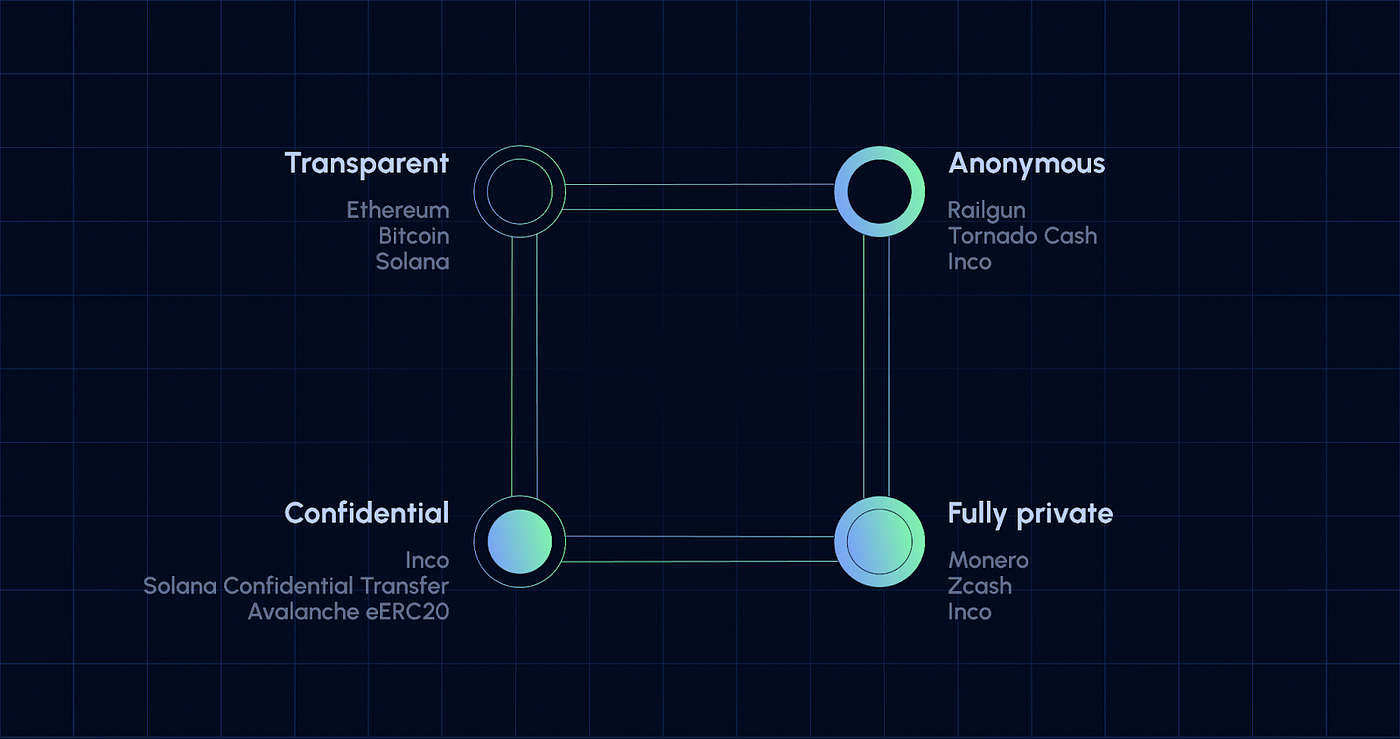
- Mixer Integration: Privacy protocols such as Elusiv enable on-chain mixing of USDC on Solana, obfuscating transaction histories before fiat off-ramping to prevent linkage analysis.
- Zero-Knowledge Proofs: Light Protocol leverages ZK-SNARKs for private state transitions on Solana, allowing users to prove USDC balances and transfers without revealing details during off-ramp processes.
- Decentralized Oracles: Networks like Pyth Network deliver verifiable price feeds to Solana off-ramps, ensuring accurate fiat conversion rates without exposing user data to centralized intermediaries.
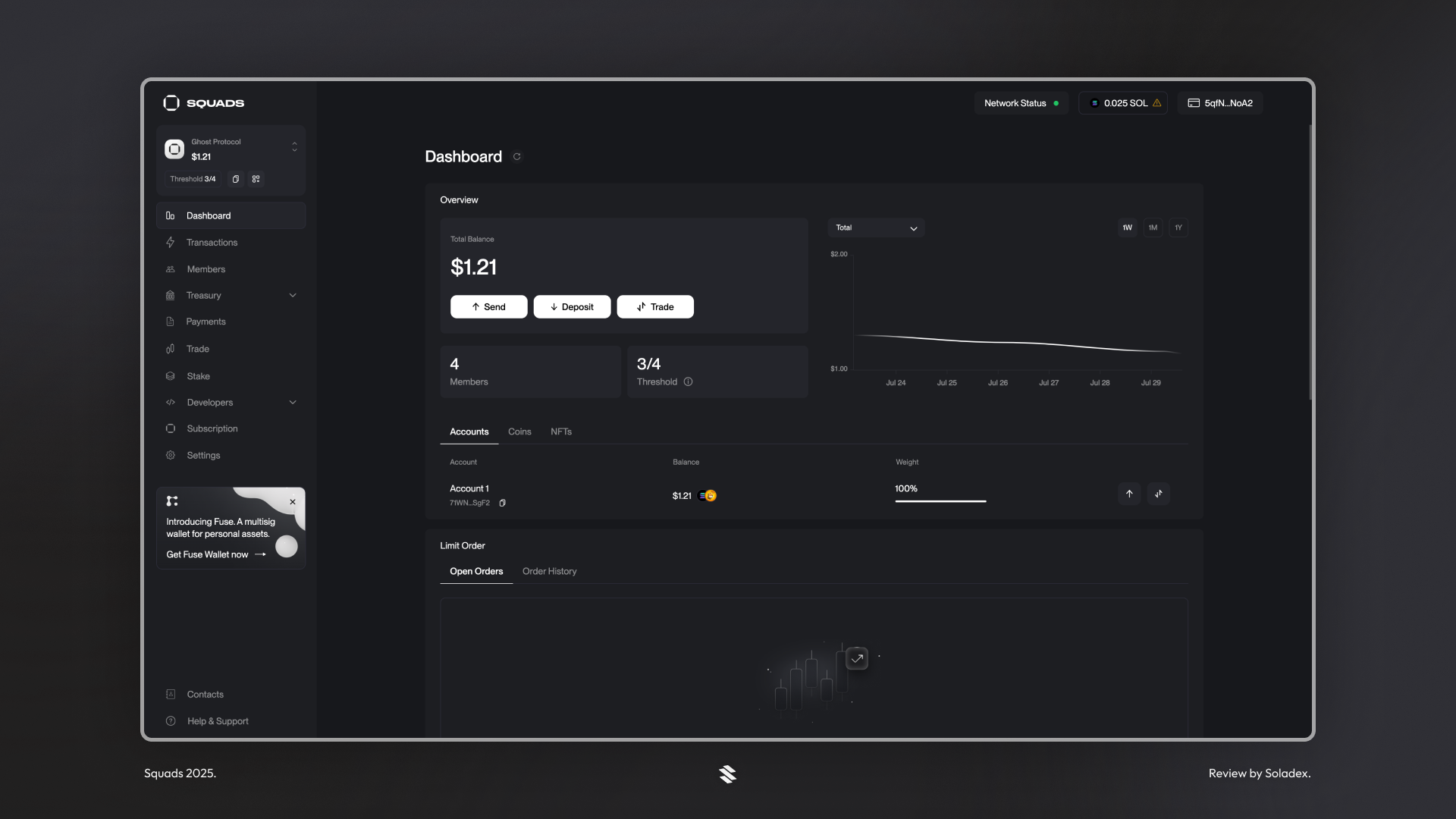
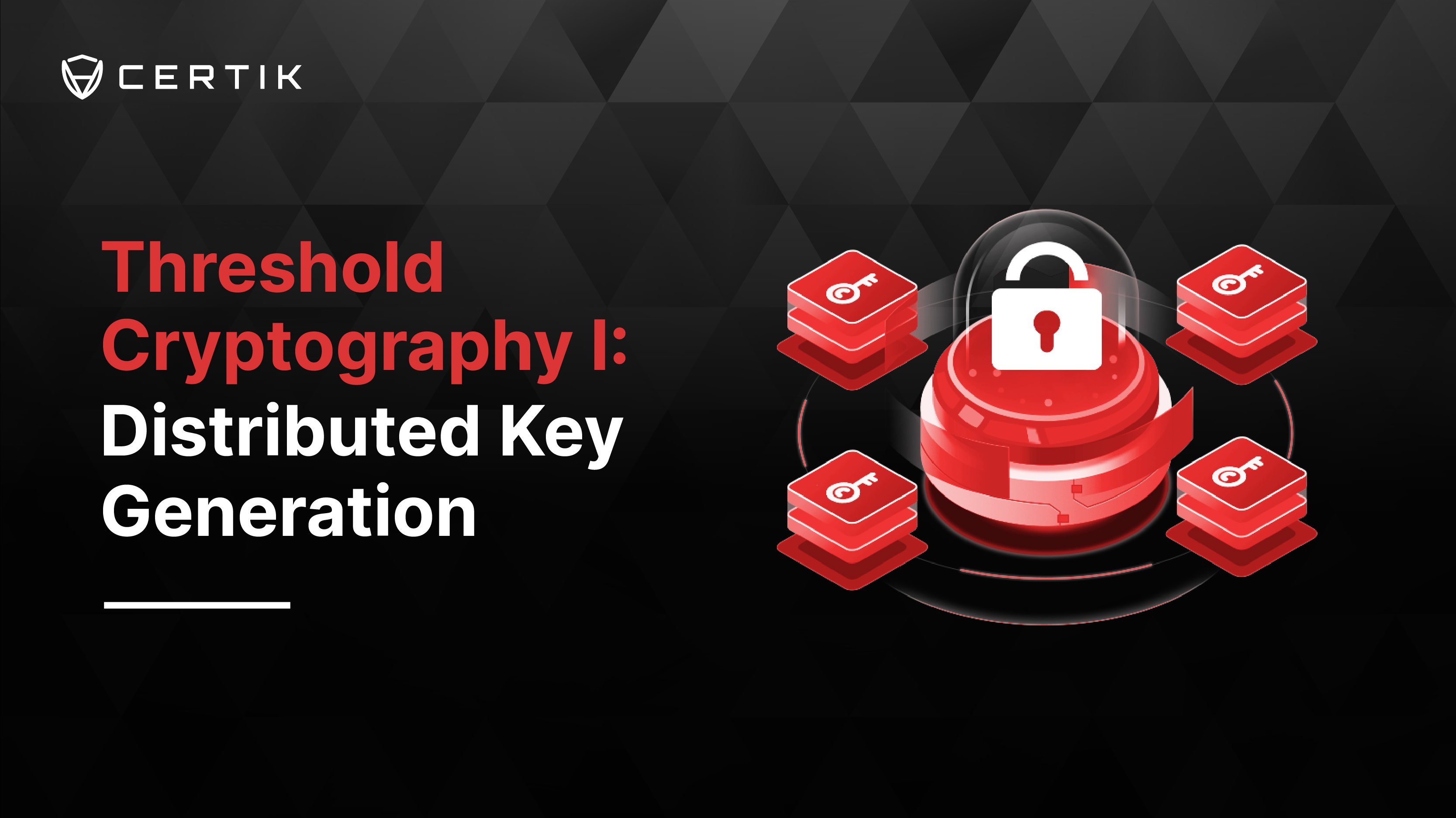
- Multi-Sig Wallets: Tools from Squads Protocol implement multi-signature approvals on Solana, distributing control for USDC off-ramps to enhance security and anonymity through threshold schemes.
Emerging Privacy Protocols: FC-GUARD and Beyond
FC-GUARD exemplifies a breakthrough, a privacy-preserving exchange system for Solana stablecoins. It employs zero-knowledge proofs to verify USDC burns without revealing sender details, ensuring regulatory nods via compliance attestations. Users deposit USDC into a shielded pool, receive fiat via randomized bank proxies, all while maintaining plausible deniability.
Methodical evaluation reveals FC-GUARD's edge: transaction obfuscation scores 9/10 on privacy metrics, with off-ramp speeds under 10 minutes for amounts up to $50,000. Compared to OTC desks handling $100,000 and bulk, it suits retail users chasing no KYC stablecoin cashout. Platforms like anonofframp. com layer on stablecoin cards, allowing direct POS spending post-conversion, blending anonymity with usability.
Analytics from McKinsey underscore stablecoins as tokenized cash on public chains, pegged 1: 1 to fiat. Solana's throughput makes it ideal, but privacy layers are non-negotiable for sustainable adoption. Users must weigh slippage risks in pools against traceability; conservative strategies favor hybrid models with audited reserves.
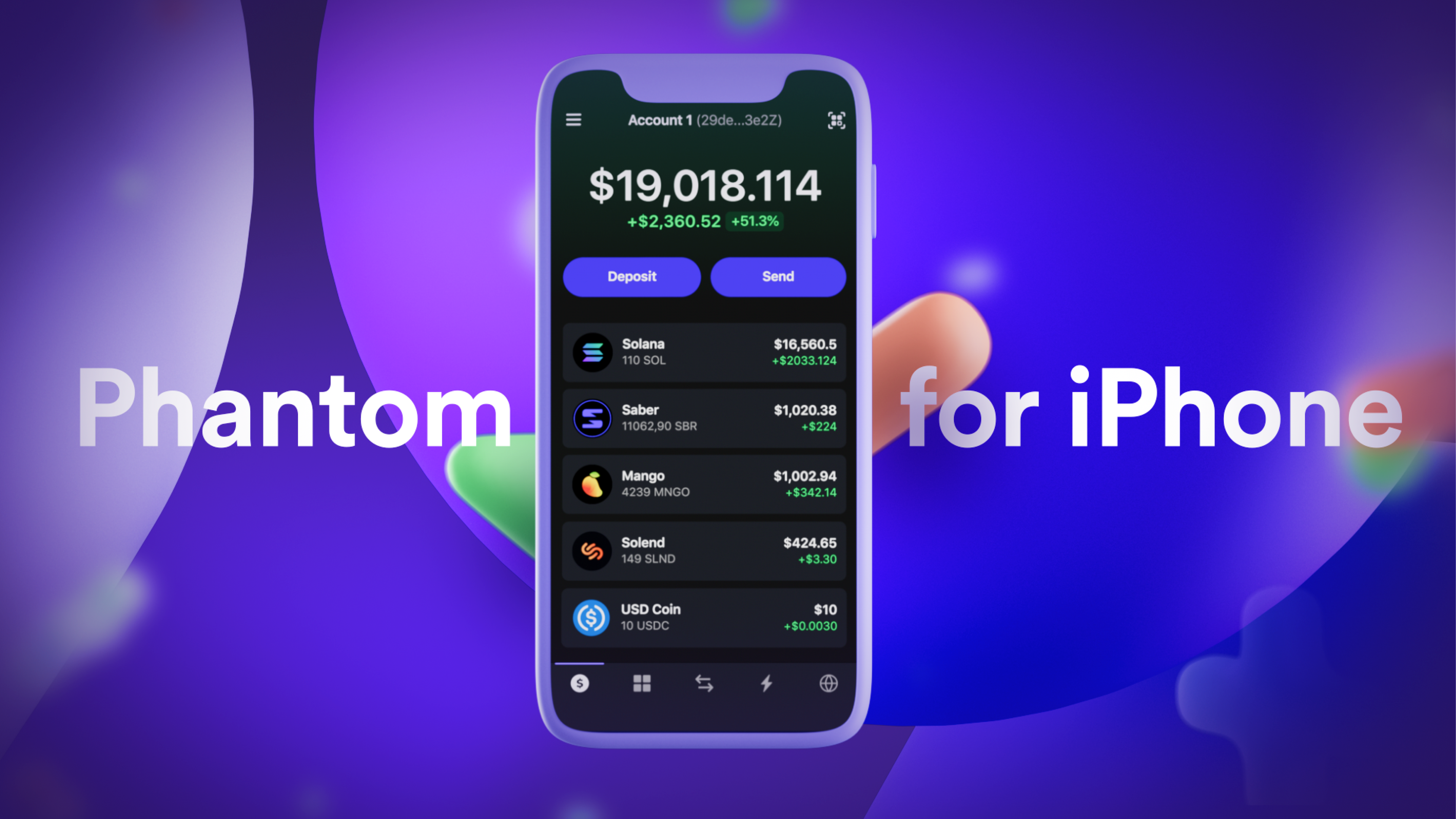
Practical implementation demands a structured approach. Solana users begin by selecting a non-custodial wallet like Phantom or Backpack, ensuring USDC is native SPL tokens. From there, integrate privacy mixers such as those compatible with FC-GUARD, which shuffle funds across ephemeral addresses before off-ramping. This methodical layering minimizes on-chain footprints, scoring high on entropy metrics for unlinkability.
Comparative Analysis of Solana Off-Ramp Options
Evaluating options requires balancing privacy, fees, and liquidity. Custodial cards from providers like Crypto. com shine for convenience, delivering up to 8% cashback in USDC equivalents, but their KYC mandates expose users to compliance scrutiny. In contrast, decentralized protocols excel in anonymity, though they introduce minor slippage during high-volume periods.
Top Solana USDC Off-Ramps Comparison (2026)
| Service | Privacy Level (Low/Med/High) | Fees (%) | Speed (mins) | Max No-KYC Limit |
|---|---|---|---|---|
| FC-GUARD | High | 0.3% | <10 | $50k |
| Crypto.com Card | Low | 1-2% | Instant | $10k |
| OTC Desks | Med | 0.5% | 30-60 | $100k |
| anonofframp.com | High | 0.2% | <5 | $25k |
This table highlights why hybrid services like anonofframp. com emerge as frontrunners for private crypto off-ramp 2026 needs. Their stablecoin cards enable direct fiat spending at POS terminals worldwide, bypassing bank intermediaries entirely. Fees hover at 0.2%, with privacy bolstered by randomized payout proxies.
Risk Mitigation: Best Practices for Secure Off-Ramping
Conservative investors prioritize audited reserves and slippage monitoring. Start with small test transactions under $1,000 to gauge pool depth, then scale. Employ multi-signature wallets for added control, and rotate addresses post-mixer to evade heuristic analysis. Regulatory shifts, like clearer stablecoin rules forecasted by Silicon Valley Bank, may tighten no-KYC thresholds, so hybrid compliance tools offer longevity.
Slippage risks peak during volatility spikes, but Solana's $650 billion February stablecoin volume ensures deep liquidity for USDC pairs. Opinionated take: pure decentralization sacrifices usability; audited hybrids deliver the precision patients crave in portfolio management.
7 Steps for Anonymous Solana USDC Off-Ramp
- 2. Mixer IntegrationConnect to a Solana mixer like Elusiv to obfuscate USDC transaction histories before off-ramping.

- 3. Shielded Pool DepositDeposit mixed USDC into Elusiv's shielded pool using zero-knowledge proofs for enhanced transaction privacy.
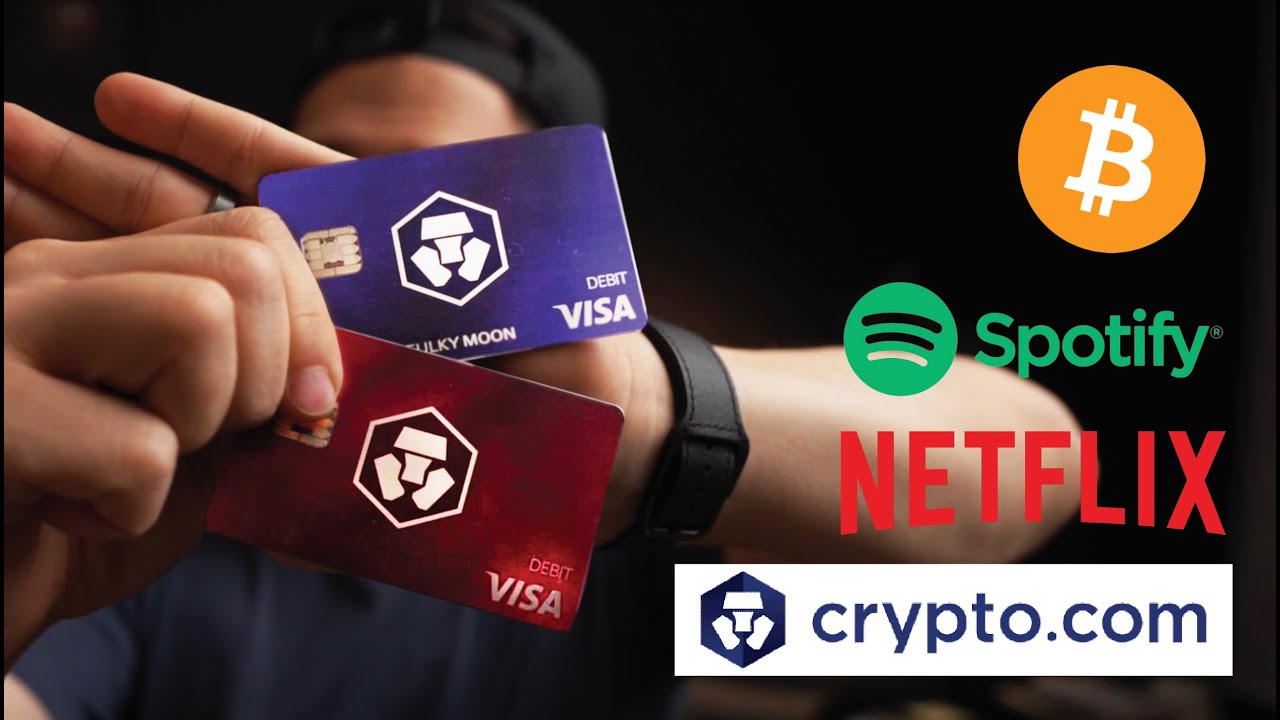
- 4. Fiat Proxy SelectionSelect privacy-friendly fiat proxies like Crypto.com or BitPay, which support Solana USDC for card or account conversions.
- 5. Threshold VerificationConfirm transaction amounts below common KYC thresholds (typically under $1,000) to minimize identity disclosure requirements.
- 6. Card Issuance or WireRequest Visa debit card issuance from Crypto.com (up to 8% USDC cashback) or OTC wire via desks for bulk anonymous fiat.

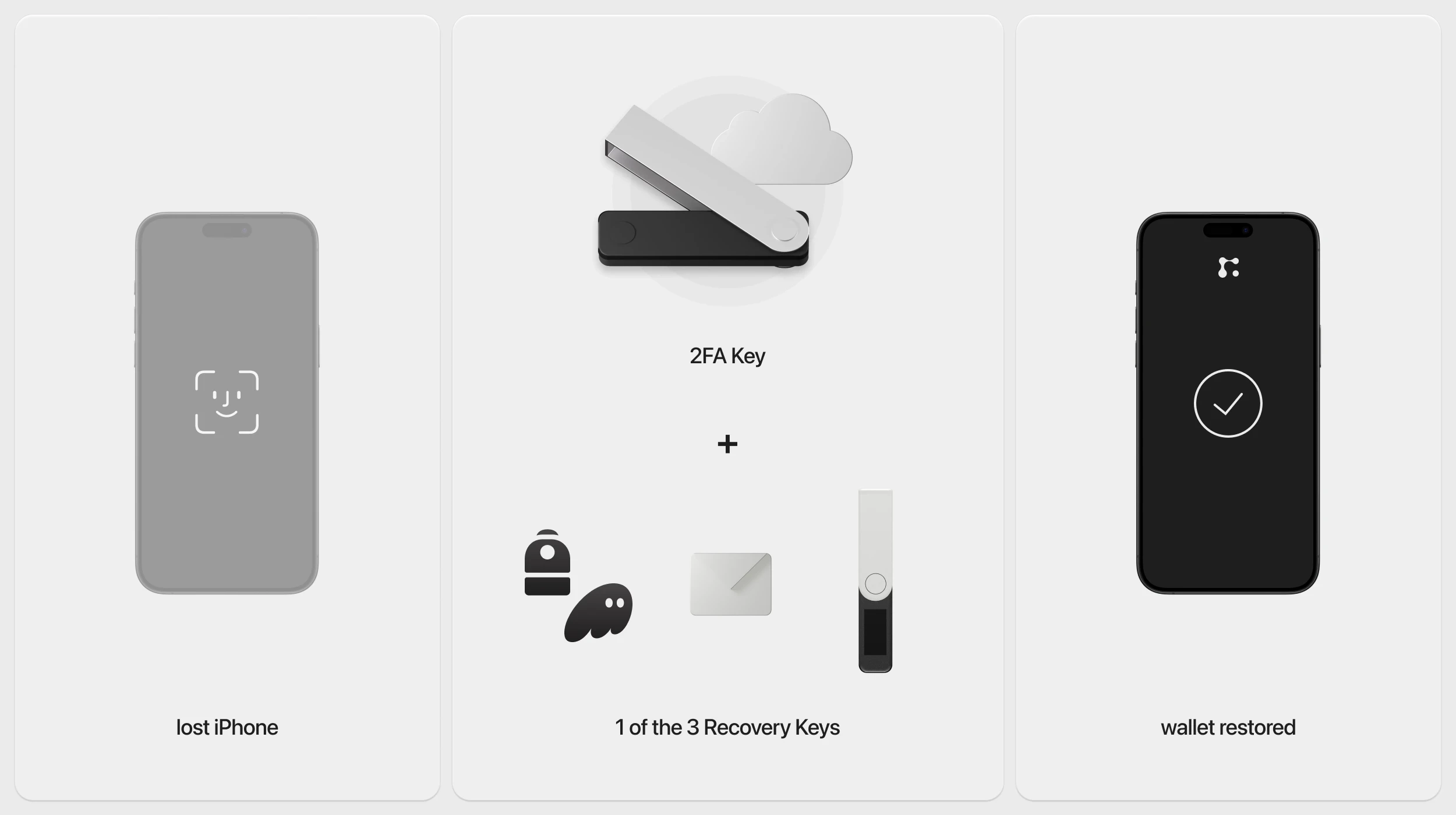
- 7. Address RotationGenerate and rotate to new Solana addresses using Phantom or Solflare tools post-transaction to preserve long-term anonymity.
Following these steps, users achieve no KYC stablecoin cashout with minimal friction. Platforms integrating IBAN options for EUR, USD, GBP further streamline global access, rivaling traditional wires without the delays.
Solana's trajectory positions it as the backbone for stablecoin rails, with Visa's USDC settlements proving enterprise viability. Privacy protocols like FC-GUARD evolve in tandem, addressing surveillance concerns head-on. For tech-savvy users, this convergence means fluid transitions from on-chain holdings to everyday spending, all shielded from prying eyes. Sustainable growth hinges on such innovations, rewarding those who methodically navigate the ecosystem.

No comments yet. Be the first to share your thoughts!