


In the shifting sands of global finance, where central banks grapple with digital currencies and regulators eye stablecoins with wary optimism, StableChain emerges as a pivotal force. Launched on December 8,2025, this USDT-native Layer 1 blockchain redefines stablecoin fiat conversion by prioritizing low fees, instant settlements, and unyielding privacy. As payroll platforms and remittance services bypass traditional ramps to deliver stables directly to wallets, StableChain positions itself at the vanguard of this transformation, offering the most seamless StableChain on-ramp and USDT off-ramp 2026 solutions for privacy-focused users.

StableChain’s architecture, built explicitly for USDT, sidesteps the congestion plaguing general-purpose chains. Transactions settle with low latency and predictable costs, making it ideal for cross-border payments and everyday commerce. Unlike broader ecosystems where USDT competes for block space, here it reigns as the native asset and gas token, streamlining operations from the ground up. This design aligns with macro trends: as Flourish Ventures notes, 2026 marks the dawn of ramp-less stablecoin economies, yet for those still bridging fiat worlds, StableChain delivers unmatched efficiency.
StableChain Mainnet: Engineered for Frictionless USDT Flows
The mainnet debut introduced the Stable Foundation and STABLE token, intended to steer ecosystem growth. Optimized for global commerce, it promises frictionless user experiences that traditional rails can’t match. Gate. com highlights Stable as a high-performance Layer 1 tailored for USDT, targeting fast, low-cost transactions. Yet, the launch wasn’t without turbulence; redemption hiccups and gas shortages tested the network’s mettle, driving STABLE’s price downward. These early stumbles underscore a broader truth in blockchain evolution: resilience emerges from adversity. By addressing these pain points, StableChain fortifies its role as the premier USDT settlement rail.

Strategically, this positions StableChain ahead of rivals like Plasma, Arc, or Tempo. While those chains experiment with stablecoin capabilities, StableChain commits fully to USDT nativity, enabling direct partnerships with payment providers. IOSG’s analysis praises this go-to-market focus, which embeds StableChain into real-world rails. For users seeking private crypto ramp options, the network’s emphasis on anonymity without compromising speed is a game-changer. Regulators flagging risks, as per CoinGeek, only amplify the appeal of decentralized alternatives that minimize exposure.
StableChain’s Top On-Ramp Features
-
USDT-Native Gas: Powers transactions directly with USDT, eliminating swaps for frictionless payments.
-
Ultra-Low Fees: Predictable, minimal costs optimized for high-volume global commerce.
-
Instant Fiat Conversions: Seamless on/off-ramps via partners for rapid stablecoin-to-fiat.
-

SpherePay Integration: Embedded ramps handle KYC, fiat rails, and compliance instantly.
-
Crossmint & Franklin: Global fiat-to-crypto and direct USD conversions with no fraud risk.
Launch Hurdles and the Path to Robust Infrastructure
Post-launch, StableChain confronted redemption failures that eroded confidence, compounded by gas scarcity amid high demand. These issues mirror growing pains seen in nascent Layer 1s, where scalability meets real-world stress. Yet, the response has been decisive: infrastructure upgrades now support smoother private stablecoin-to-fiat conversions. PR Newswire’s coverage of the mainnet unveiling emphasized its ambition to lead stablecoin networks, a vision holding firm despite volatility.
From a macro perspective, these challenges reveal deeper dynamics. Banks, drawn to stablecoins’ rewards amid regulatory scrutiny, seek reversible systems with identity checks. StableChain counters with a bank-edge alternative: irreversible, pseudonymous flows that prioritize user sovereignty. Crypto Adventure’s take on on/off-ramping as a dual-edged sword resonates here; StableChain sharpens the crypto edge, minimizing identity friction while accelerating posting speeds.
Powerhouse Partnerships Elevating StableChain On/Off-Ramps
Integration is where StableChain truly shines, forging alliances that embed StableChain payments partners directly into the ecosystem. SpherePay’s solution handles KYC, fiat rails, and compliance for instant conversions, abstracting complexities for users. Crossmint extends global coverage with fraud-proof fiat-to-crypto gateways, while Franklin simplifies stablecoin-to-USD for payroll and settlements. These aren’t mere add-ons; they form a symbiotic network reducing ramp dependency.
Read more on how StableChain’s USDT-native blockchain changes on/off-ramping. Such synergies position StableChain as the optimal choice for 2026, outpacing generic providers in speed and discretion. Stablecoininsider. org’s comparisons affirm this, pitting pricing, settlement times, and privacy head-to-head.
As direct stable payouts proliferate, per Flourish Ventures, ramps evolve from bottlenecks to precision tools. StableChain, with its battle-tested mainnet and partner ecosystem, leads this charge, empowering users to navigate fiat-crypto boundaries with strategic finesse.
These partnerships don’t just plug gaps; they rewire the on/off-ramp paradigm for USDT off-ramp 2026 needs. SpherePay’s embedded ramps mean users convert fiat to USDT without leaving the app, compliance handled invisibly. Crossmint’s global reach spans 170 and countries, fraud detection baked in to safeguard private crypto ramp flows. Franklin, meanwhile, turns stables into USD for payroll in seconds, no intermediaries diluting sovereignty. Together, they create a moat around StableChain, turning potential weaknesses into fortified strengths.
2026 On/Off-Ramp Comparisons: StableChain’s Edge in Fees and Speed
Stack StableChain against the field, and the advantages crystallize. While USDC ecosystems like Circle emphasize broad connectivity, they lean on congested Layer 2s, inflating costs during peaks. StableChain’s USDT nativity delivers sub-cent fees and sub-second confirmations, per stablecoininsider. org benchmarks. Plasma One offers fee-free transfers but lacks native fiat gateways; StableChain integrates them natively. This isn’t incremental; it’s a structural leap, aligning with IOSG’s view of payment-specific L1s dominating via partnerships.
Comparison of Top Stablecoin On/Off-Ramps 2026
| Provider | Fees | Settlement Time | Privacy Level | Key Features |
|---|---|---|---|---|
| StableChain | <0.1% | Instant | High 🛡️ | USDT Native Layer 1, private stablecoin-to-fiat conversions, integrations with SpherePay, Crossmint, Franklin |
| USDC/Circle | 0.5-1% | 1-5 minutes | Medium 🔒 | Global payments connectivity, dollar-backed services (Circle) |
| Plasma | 0% | Variable | Low ⚠️ | Fee-free USDT transfers, Plasma One app for everyday users |
Macro tailwinds amplify this. Regulators, as CoinGeek reports, balance stablecoin risks with banks’ enthusiasm, pushing for compliant yet efficient rails. StableChain threads the needle: pseudonymous by design, yet partner-vetted for legitimacy. In a world where Flourish Ventures foresees ramps fading, those persisting must excel. StableChain does, fortifying StableChain payments partners as the backbone for hybrid fiat-crypto lives.
Navigating Private Conversions: A Strategic Guide
For privacy advocates eyeing stablecoin fiat conversion, execution matters. StableChain simplifies the process, leveraging USDT as gas for gasless-feeling UX. No more hunting exchanges or wiring funds through leaky banks. Instead, tap partners for direct bridges, preserving capital velocity and opacity.
Mastering StableChain: Instant Fiat-to-USDT On/Off-Ramps for Global Payments


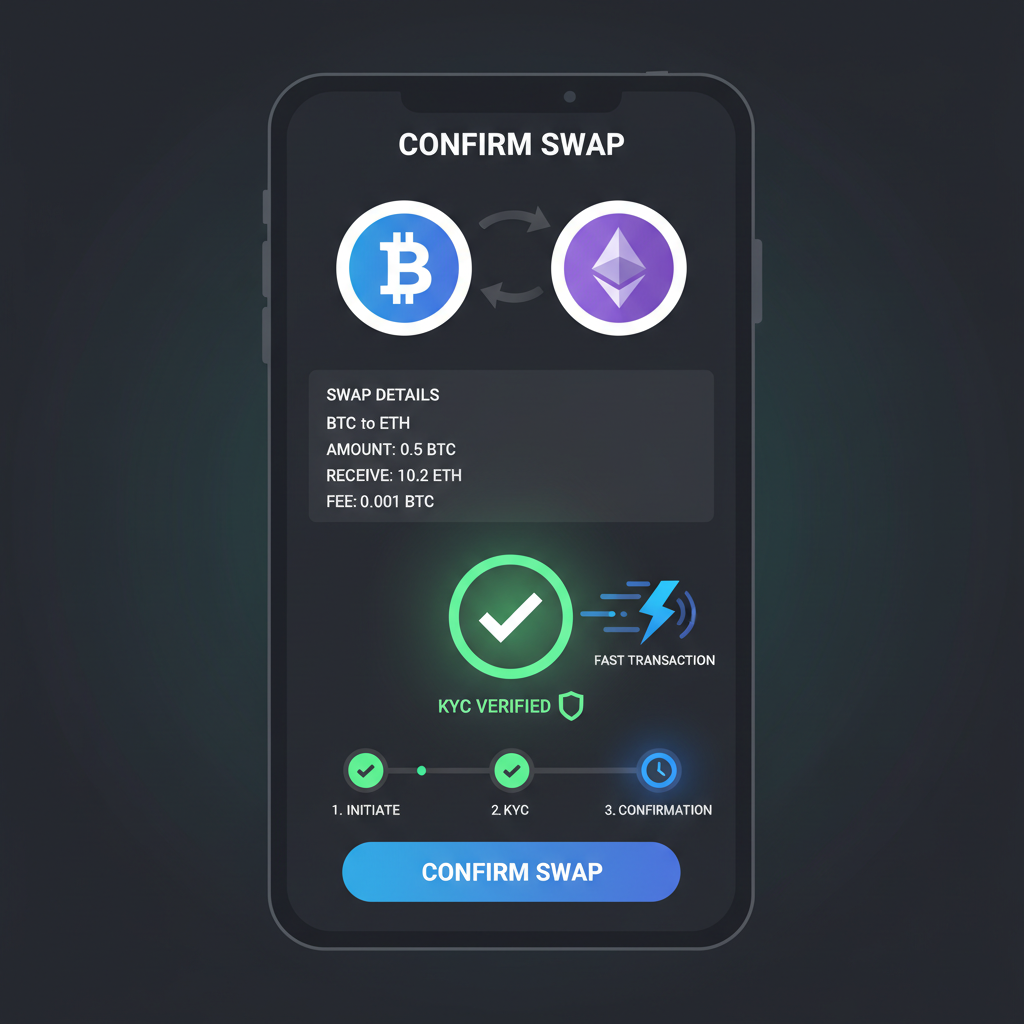
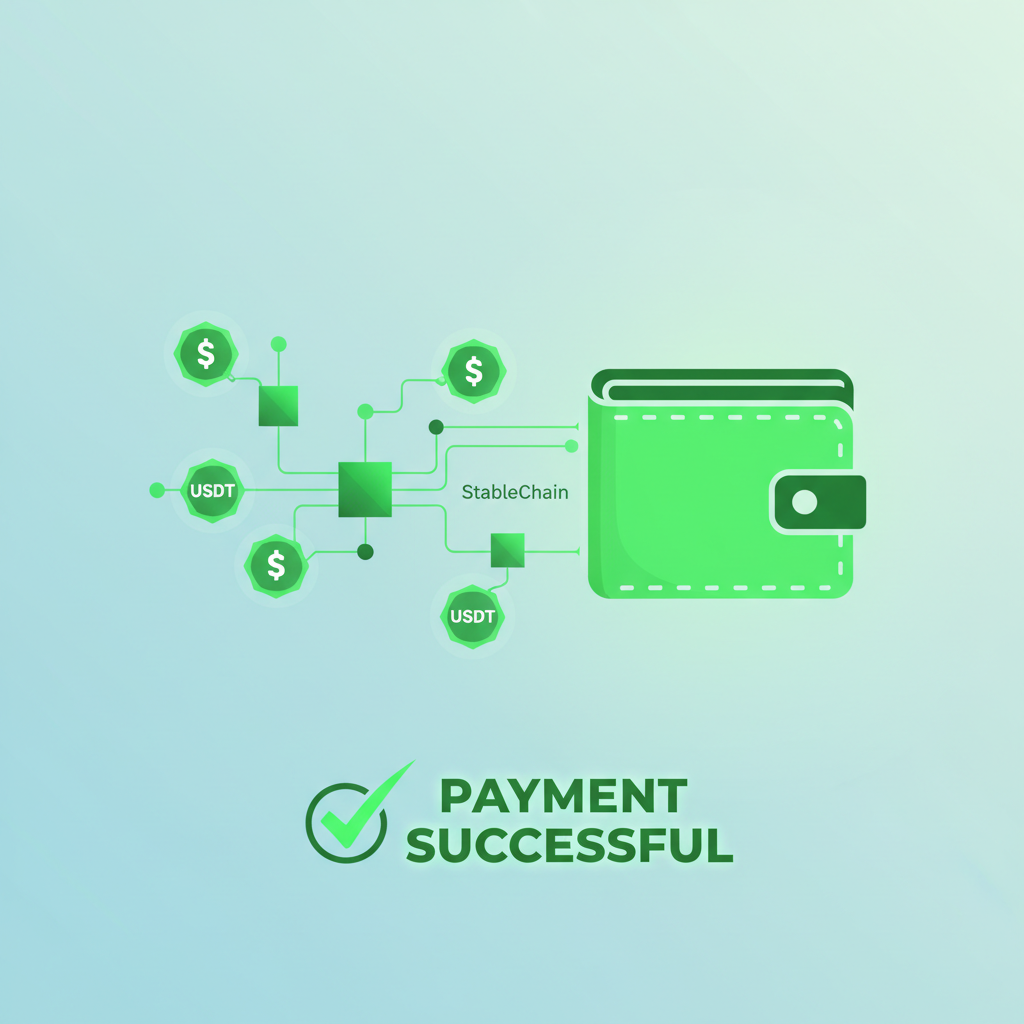
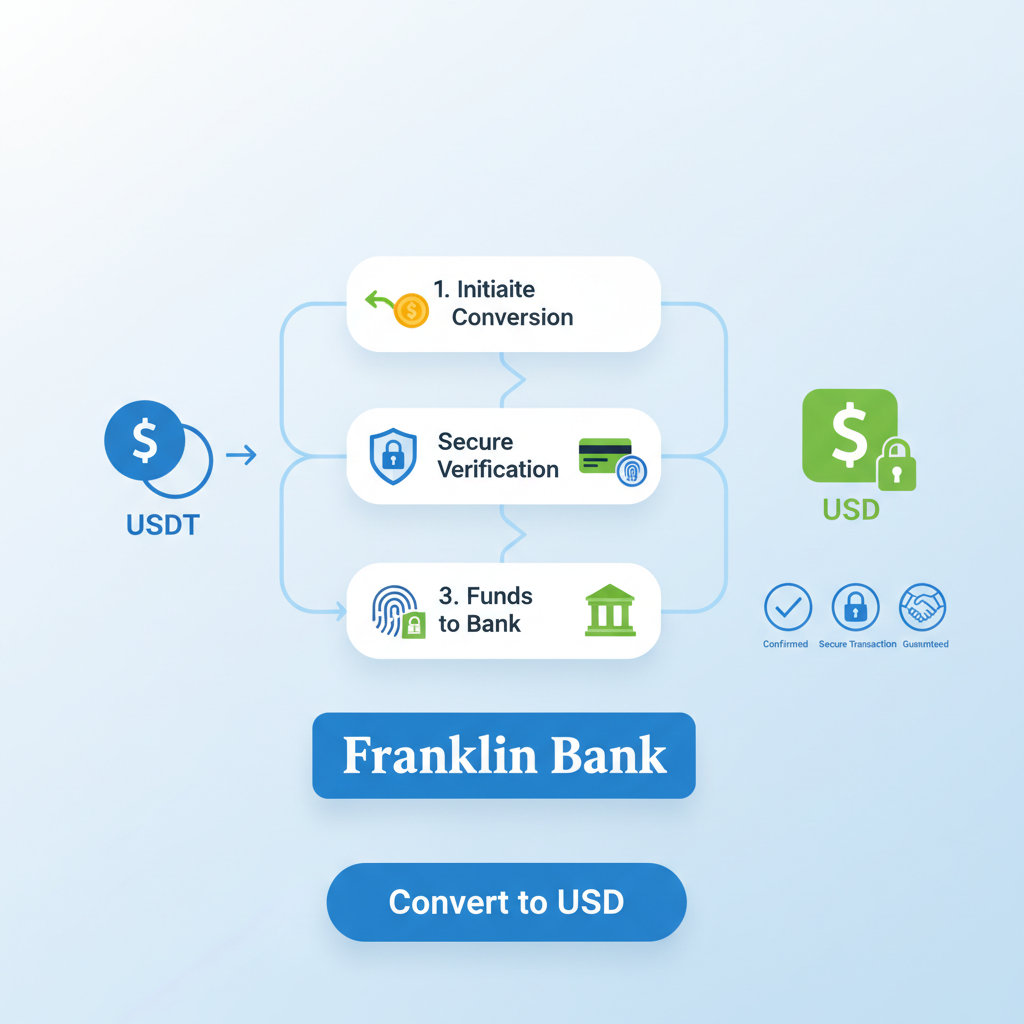
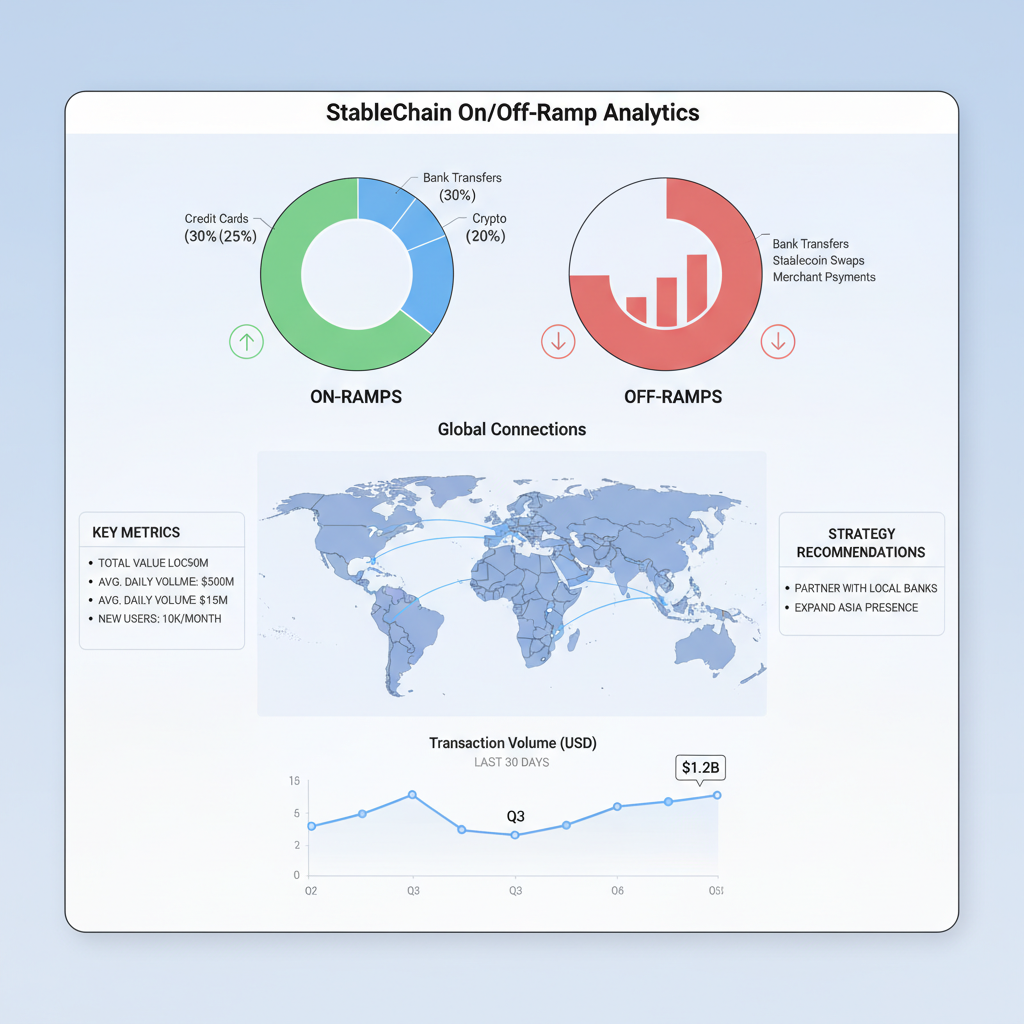
This workflow embodies big-picture strategy: minimize touchpoints, maximize control. Cross-border workers remit via USDT, settling to local fiat without reversal risks. Merchants accept stables, off-ramp for inventory, all at speeds trumping SWIFT. Read deeper into how USDT as native gas changes stablecoin on/off-ramping.
Challenges persist, sure. Mainnet gas woes exposed scalability limits, but upgrades signal maturity. STABLE token volatility reflects early adopter fervor, yet utility accrues as adoption climbs. Across Bridge notes similar chains like Arc grappling with UX; StableChain iterates faster, Plasma One-style apps incoming.
Zoom out, and StableChain heralds a pivot. Stablecoins aren’t just stores of value; they’re rails for global commerce, unbundling banks’ grip. With partners embedding ramps, users sidestep the ‘bank edge’ entirely: no identities surrendered, no postings delayed. Crypto Adventure’s dual-edged framework evolves here, crypto’s blade honed sharper. For strategists positioning portfolios or operations in 2026, StableChain isn’t a tool; it’s infrastructure, the quiet revolution powering USDT settlement rail dominance in a multipolar financial order.
Stake your flows wisely. In this arena, friction kills velocity, and StableChain keeps it alive.
About the Author