


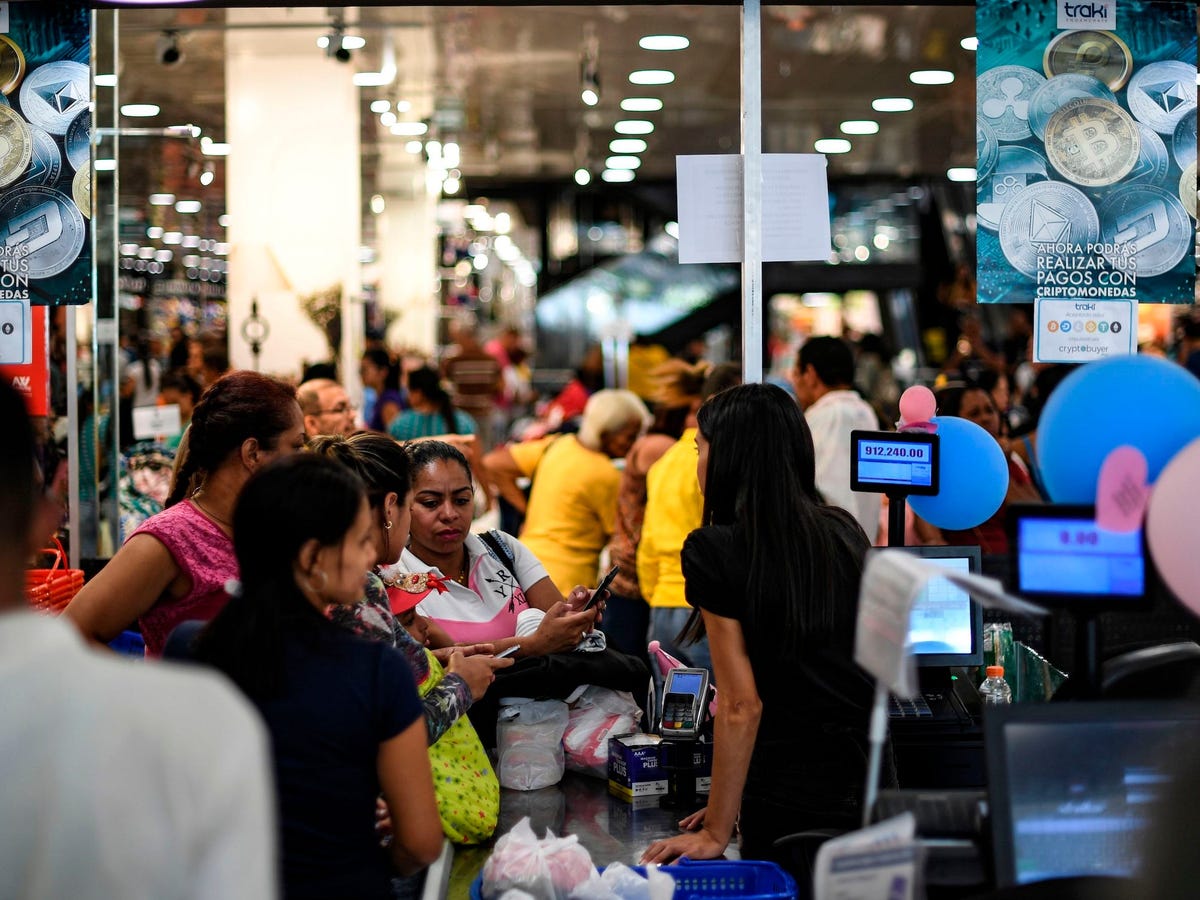
In the heart of Latin America’s cash-first economies, stablecoin cards are quietly rewriting the script for everyday payments. Forget the crypto hype cycles and flashy NFT headlines – this is a story of practical disruption, where digital assets are becoming invisible infrastructure beneath the region’s daily commerce. Most users swiping these new cards have no idea stablecoins are powering their purchases; they just see a dollar card that works at any shop with a Visa logo. But under the hood, it’s USDC or another stablecoin being converted in real-time to local currency, bypassing legacy rails and sidestepping inflationary woes.

From Cash Crisis to Crypto Convenience
The context couldn’t be more urgent. In Argentina, inflation has remained stubbornly high, eroding savings and making even basic budgeting a challenge. Across the region, millions remain unbanked or underbanked, relying on cash – even as local currencies lose value overnight. Enter dollar card stablecoin solutions, like those from Rain and Visa-Bridge partnerships, which let users store value in digital dollars and spend them seamlessly at 150 million global merchants.
This isn’t about replacing bank cards; it’s about leapfrogging them entirely. As Rain’s own social posts note, “Most users have no idea stablecoins are powering their purchases. They’re not replacing existing bank cards. They’re replacing cash payments. ” The result? A payment revolution that feels familiar at checkout but is radically different behind the scenes.
Pioneers: Visa x Bridge and Mercado Pago’s Meli Dolar
The tipping point arrived in April 2025 when Visa partnered with Bridge (a Stripe-owned stablecoin platform) to roll out stablecoin-linked Visa cards across Argentina, Colombia, Ecuador, Mexico, Peru, and Chile. These cards let users pay with USDC balances while merchants receive local currency – all frictionlessly handled by backend infrastructure.
The impact? For everyday consumers facing currency instability or capital controls, these cards offer a lifeline: store your wealth in digital dollars and spend it anywhere Visa is accepted. Meanwhile in Brazil, Mercado Pago launched Meli Dolar – a dollar-pegged stablecoin – allowing its massive user base to transact and save in a currency shielded from local volatility.
This isn’t just fintech theater for early adopters; it’s mass-market utility. According to Brazil’s central bank data from May 2025, roughly 90% of crypto flows now involve stablecoins – an eye-popping figure underscoring both adoption and regulatory concern over capital movement outside traditional oversight.
Stablecoin Cards vs Cash: The Real-World Shift
Why does this matter for the average consumer? Because stablecoin onramp cards combine three things cash can’t offer: stability (dollar value), access (usable anywhere Visa works), and privacy (no need for a traditional bank account). For merchants and freelancers paid internationally or gig workers sending remittances home, it means faster settlements without punitive exchange rates or banking delays.
The result is an organic migration away from cash toward private stablecoin payments that feel as simple as tap-and-go but fundamentally change how money moves across borders and through economies under pressure.
For many, the magic is in the simplicity. You top up your card with USDC or another stablecoin, and at the point of sale, it’s instantly converted to pesos, reais, or soles. No lines at the remittance office, no ATM fees, and no fear that tomorrow’s inflation will gut your purchasing power. This is crypto as invisible infrastructure, powerful enough to shield you from volatility but seamless enough that you barely notice it’s there.
Yet beneath this smooth user experience is a complex web of stablecoin liquidity providers, cross-chain bridges, and compliance layers. Companies like Rain have raised over $24.5 million to scale these operations, ensuring that every swipe or tap happens in milliseconds and that merchants get paid in their native currency without friction. The tech stack may be cutting-edge, but for users it just works, and that’s what matters most.
Regulatory Uncertainty Meets Relentless Demand
The regulatory picture remains a moving target. Central banks are watching closely as stablecoins become the rails for everything from payroll to B2B settlements. Brazil’s central bank has already flagged concerns about capital outflows and volatility tied to stablecoins, but so far, consumer demand hasn’t slowed. In fact, each new regulatory statement seems only to highlight how far ahead real-world adoption has raced compared to policy frameworks.
What regulators see as risk, dollars flowing freely across borders, users see as resilience. For families navigating hyperinflation or freelancers working for overseas clients, these cards are not just a convenience; they’re a financial lifeline.
What Comes Next: Infrastructure and Inclusion
The momentum shows no sign of slowing. With Visa-Bridge integration now live across six major LATAM markets and fintechs like Mercado Pago onboarding millions more to dollar-backed stablecoins, the region is fast becoming ground zero for stablecoin payment adoption. Even traditional businesses are getting on board: Nuvei’s blockchain solutions now streamline cross-border B2B payments using USDC rails.
The next frontier? Deeper privacy layers and even greater accessibility. As more platforms integrate privacy-preserving stablecoin options and lower onboarding barriers (no KYC for small amounts), expect even more unbanked users to join the digital dollar economy, often without ever touching a local bank branch.
This isn’t just about technology; it’s about financial empowerment at scale. Stablecoin cards are quietly turning every smartphone into a global wallet, shielding users from inflation while plugging them into an open financial system built on code instead of paperwork.
If you want a deeper dive into how these rails work under the hood or want to compare real-world case studies across LATAM markets, check out our detailed analysis here.
About the Author