


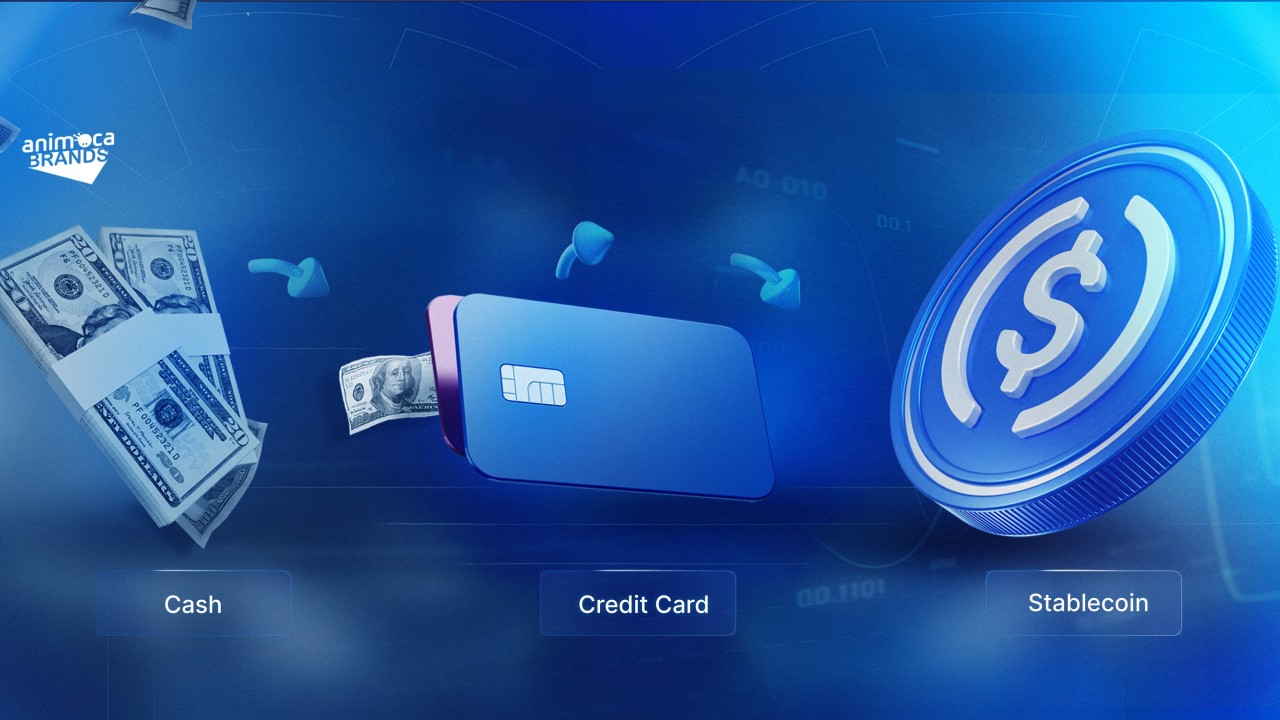
In 2025, the landscape of crypto off-ramp solutions has undergone a fundamental shift, with stablecoin cards emerging as the linchpin for seamless, private, and efficient conversion from digital assets to fiat. The days of clunky exchanges, tedious withdrawal processes, and long settlement times are rapidly fading. Instead, users now expect to spend their USDT, USDC, or DAI as easily as swiping a traditional debit card, without sacrificing privacy or incurring punitive fees.

From Niche to Mainstream: How Stablecoin Cards Gained Traction
The catalysts for this revolution are clear: regulatory clarity, technological innovation, and user demand for frictionless off-ramping. The passage of the U. S. GENIUS Act in July 2025 was pivotal. By mandating that stablecoins be fully backed by dollars or other low-risk assets and enforcing transparency standards, lawmakers provided the foundation for mainstream adoption. This has emboldened fintechs like Rain and Algorand’s Pera Card to launch products directly integrated with Visa and Mastercard networks, enabling real-time conversion at millions of merchants worldwide.
The shift isn’t just regulatory. Platforms such as Rain have expanded support beyond Ethereum to include Solana, Tron, and Stellar networks, dramatically lowering transaction costs and increasing speed. These technical improvements have made it possible for users to top up their cards instantly from multiple blockchains or even send crypto directly from any wallet.
What Makes Stablecoin Cards Superior Crypto Off-Ramp Solutions?
The appeal of stablecoin cards in 2025 boils down to three pillars: speed, cost efficiency, and privacy. Unlike legacy off-ramps that often require extensive KYC checks or days-long bank transfers, many stablecoin card providers now offer streamlined onboarding, with some even enabling anonymous spending within regulatory thresholds. This is especially attractive for privacy advocates and users in high-risk jurisdictions.
- Speed: Real-time settlement is now standard. Whether you’re paying at a supermarket in Berlin or withdrawing cash from an ATM in Buenos Aires, your USDT or USDC is converted on the spot, no waiting period required.
- Cost Efficiency: Transaction fees have plummeted thanks to multi-chain support (Solana’s high-speed rails are a standout), making microtransactions viable for everyday purchases.
- Privacy: Providers like anonofframp. com have developed systems that allow users to maintain control over their data while still complying with evolving global standards.
This combination has made stablecoin cards indispensable for digital nomads, freelancers receiving cross-border payments, and individuals living under capital controls or facing unstable local currencies. For many in emerging markets, these cards represent not just convenience but financial survival.
The Competitive Landscape: Top Stablecoin Cards and Providers in 2025
The market is crowded with contenders vying for dominance. According to recent rankings by CoinGecko and CNBC:
- KAST Multi-Chain Card: Offers enhanced SOL staking rewards alongside basic spending functionality at over 100 million merchants globally.
- Pera Card (Algorand): Integrated with Mastercard; enables instant USDCa spending with ultra-low fees via Algorand’s blockchain.
- Mural Pay and Gnosis Pay: Both boast robust cashback programs (up to 5%) and multi-network top-up capabilities.
- Mainstream Entrants: Venmo Credit Card supports major cryptos including Bitcoin Cash and Solana; Gemini Credit Card continues its competitive token rewards program (realistically averaging 1.5, 2% back).
This surge of options means users can now select cards based on their preferred blockchain network, reward structure, privacy requirements, or simply convenience of use without compromising security.
If you want a deeper dive into how these innovations compare with last year’s trends, and what makes today’s solutions fundamentally different, see our detailed analysis at How Stablecoin Cards Are Revolutionizing Crypto Off-Ramps in 2024.
Beyond the sheer variety of offerings, the user experience has matured considerably. Stablecoin card interfaces now rival traditional banking apps for ease of use, with intuitive dashboards, instant notifications, and granular spending controls. Users can monitor their crypto and fiat balances in real time, set spending limits, or freeze cards on demand, a vital risk management feature for both individuals and businesses.
For those concerned about security, most leading providers employ advanced multi-factor authentication and hardware wallet integration. The implementation of one-to-one backing under the GENIUS Act has further reduced counterparty risk, users know that every USDT or USDC spent is transparently backed by actual reserves. This regulatory clarity has also encouraged legacy financial institutions to partner with stablecoin card issuers, expanding acceptance and lowering friction at the point of sale.
Key Use Cases: Who Benefits Most from Stablecoin Cards?
The transformative impact of stablecoin cards is most evident among groups previously underserved by traditional banking:
- Freelancers and Remote Workers: Receive payments in USDT or USDC from international clients and spend funds instantly worldwide, no need for costly wire transfers or currency conversions.
- Digital Nomads: Maintain financial flexibility while traveling, sidestepping local banking bureaucracy and capital controls entirely.
- Residents in High-Inflation Economies: Protect purchasing power by holding stablecoins and converting only what’s needed at the point of sale.
- Privacy Advocates: Leverage cards with minimal KYC requirements (within legal limits), preserving financial autonomy without sacrificing compliance.
Top Use Cases for Stablecoin Cards in 2025
-

Instant Global Payments: Stablecoin cards like Rain Visa and Pera Mastercard enable users to spend USDT, USDC, and DAI worldwide, converting crypto to local currency in real time at millions of merchants.
-
Freelancer & Remote Worker Payouts: Platforms such as Offramp.xyz and Mural Pay allow freelancers to receive stablecoin payments and instantly access funds via their cards, bypassing traditional banking delays and fees.
-
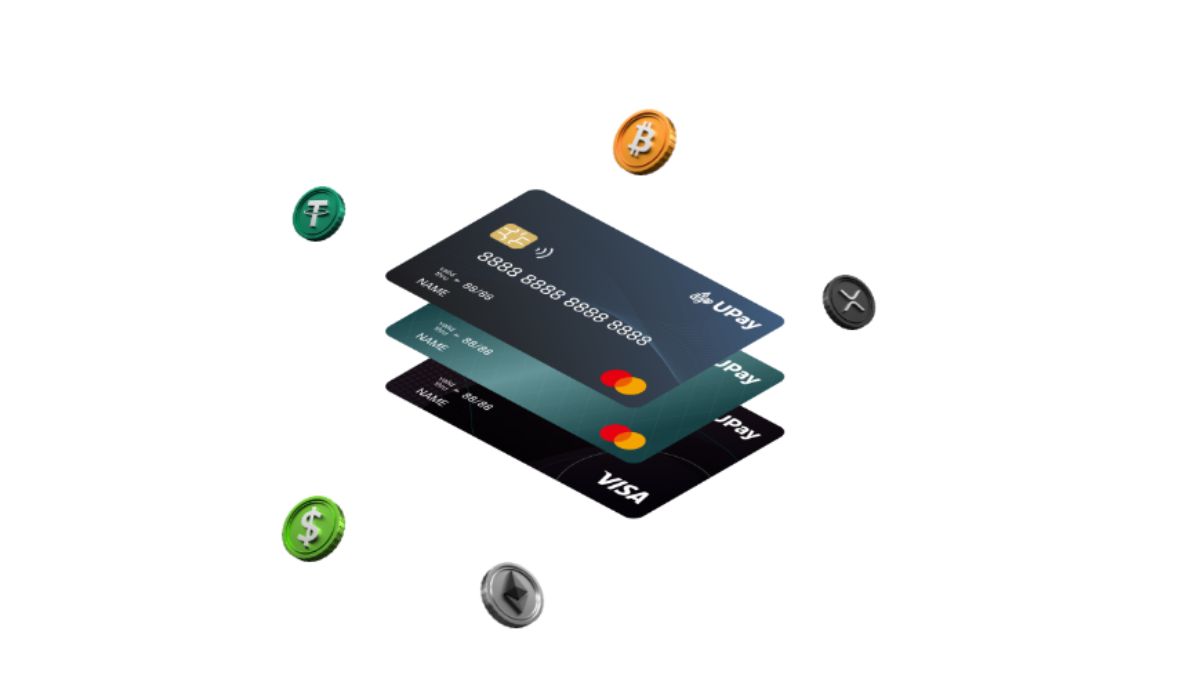
Travel & Cross-Border Spending: With cards like KAST Multi-Chain Card and Gnosis Pay, users can spend stablecoins while traveling, benefiting from low conversion fees and fast settlement across Visa and Mastercard networks.
-
Protection Against Currency Volatility: In regions with unstable local currencies, stablecoin cards (e.g., Bitso Card, Mercado Pago) offer a reliable means to store value in USD-pegged assets and spend seamlessly at local merchants.
-

Enhanced Privacy & Security: Providers like AnonOfframp offer cards with privacy features, allowing users to spend crypto with minimal data sharing, addressing concerns over surveillance and identity theft.
-

Token Rewards & Cashback: Leading cards such as the Gemini Credit Card and Ready Card provide users with crypto rewards (up to 4% cashback), incentivizing everyday spending with digital assets.
-
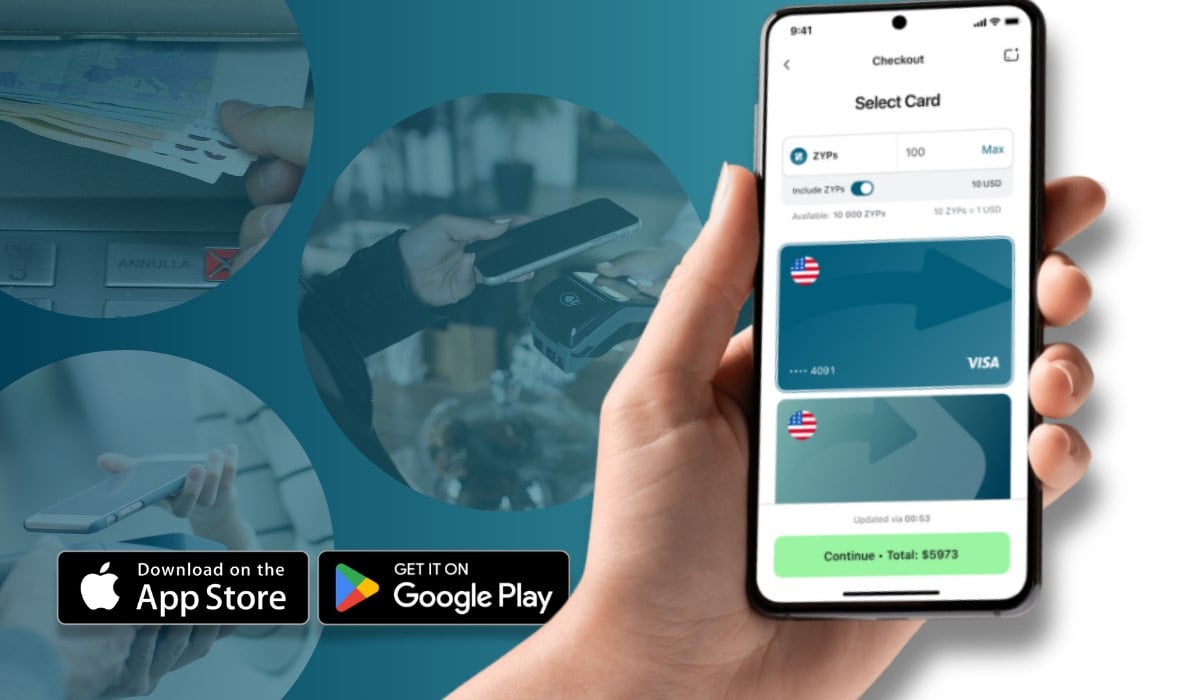
Seamless Integration with DeFi & Web3: Cards like Gnosis Pay and Monerium link directly with DeFi wallets, enabling users to spend stablecoins held in decentralized apps without manual transfers.
The convergence of these benefits is why many analysts now view stablecoin cards not merely as a bridge between crypto and fiat but as an essential tool for modern global finance. For a closer look at how privacy-focused off-ramp solutions are evolving, explore our guide on instant crypto-to-fiat off-ramping without KYC hassles.
What to Watch: Risks and Future Developments
Despite their promise, users should remain vigilant about potential pitfalls. Some regions are tightening restrictions on anonymous transactions; others are introducing new licensing requirements for card providers. Fee structures can vary widely, always review terms before committing to a provider. Additionally, interoperability between networks is improving but not yet universal; users should confirm their preferred chains are supported before funding a card.
The next phase will likely see deeper integration with decentralized identity solutions, further automation of compliance checks, and expanded merchant acceptance as more retailers recognize the benefits of fast-settling digital dollars. As always in crypto finance, prudent users should diversify providers and stay informed about regulatory changes that could impact access or usability.
The bottom line: In 2025, stablecoin cards have decisively moved beyond novelty status. They are now practical instruments for real-world spending, offering speed, security, cost savings, and privacy features that legacy systems simply cannot match. For anyone seeking reliable crypto off-ramp solutions, these tools represent both present-day utility and a preview of finance’s future trajectory.
About the Author