

In late 2025, the stablecoin on/off-ramp landscape is undergoing a profound transformation with the integration of Tether’s USDT as a native gas token on specialized blockchains like Stablechain. This technical evolution is not just an incremental upgrade – it fundamentally redefines how users interact with stablecoins for payments, remittances, and crypto-to-fiat conversions. By allowing USDT to serve both as the medium of exchange and as the fee token for transactions, these networks eliminate longstanding frictions that have limited stablecoin adoption for real-world finance.

Technical Shift: From Multi-Token Friction to Single-Asset Simplicity
Historically, users transacting with stablecoins like USDT or USDC on major blockchains (e. g. , Ethereum) faced a persistent bottleneck: every transaction required a balance of the chain’s native asset (such as ETH) to pay for gas fees. This multi-token requirement introduced complexity for new users and additional steps for seasoned traders alike. On/off-ramping – moving funds between crypto and fiat – became needlessly cumbersome due to this dual-token dependency.
The launch of Stablechain’s mainnet in 2025 marks a paradigm shift. By utilizing USDT as native gas, users can now execute transactions, pay fees, and interact with DeFi protocols using only one asset. The result is a streamlined user experience that aligns perfectly with the ethos of frictionless digital money. No more swapping assets just to move funds or pay suppliers – everything from merchant payments to cross-border settlements can be handled purely in stablecoins.
“Stable Network will adopt USDT as its primary gas token, enhancing fee predictability and fostering reliable transactions. “ (Source: Binance)
Efficiency Gains: Sub-Second Settlement and Predictable Costs
This architectural change offers measurable improvements in speed and cost efficiency. Stablechain’s use of USDT for both value transfer and network fees enables sub-second finality – crucial for high-frequency merchant payments and B2B settlements where latency is unacceptable. According to recent data from Deutsche Bank Research, monthly B2B stablecoin volumes reached approximately $3 billion in February 2025, underlining growing demand for instant settlement solutions.
Moreover, using USDT as gas introduces predictable fee structures. Unlike volatile native tokens whose price swings can make transaction costs unpredictable, pegging gas fees to a dollar-denominated asset like USDT ensures transparency for both end-users and businesses. This predictability is especially valuable when scaling up payment operations or managing treasury flows across borders.
The Impact on On/Off-Ramp Providers
The implications extend beyond individual transactions; they reshape the entire architecture of stablecoin on/off-ramps. Platforms such as Offramp. xyz now offer free crypto withdrawals with no separate gas charges when operating on networks like Stablechain. Only select actions incur minimal transparent fees (e. g. , physical card issuance), further lowering barriers for mainstream adoption.
This convergence also simplifies compliance monitoring and liquidity management for ramp providers. With all activity denominated in USDT – from deposits through conversion to fiat payout – it becomes easier to track flows, manage reserves, and ensure regulatory transparency without juggling multiple assets or fee models.
For deeper technical analysis on how Layer 1 innovations are impacting stablecoin ramps in 2025, see this detailed breakdown.
For users, the operational simplicity is tangible. On/off-ramp platforms can now offer a seamless, single-asset experience: deposit USDT, transact, and withdraw in USDT, all without ever needing to acquire or manage a volatile native token. This not only accelerates onboarding for new users but also unlocks significant cost savings for frequent traders and businesses processing high volumes of payments.
Key Benefits of USDT as Native Gas for On/Off-Ramping in 2025
-
Instant Settlement: Platforms like Stablechain leverage USDT as native gas, enabling sub-second transaction finality for stablecoin on/off-ramping. This dramatically accelerates cross-border payments and remittances, reducing settlement times from minutes to mere seconds.
-
Reduced Transaction Fees: With USDT as the gas token, networks such as Stable and Offramp.xyz offer predictable, low-cost transactions. Users avoid the extra costs and volatility of native crypto fees, making stablecoin on/off-ramping more affordable and transparent.
-
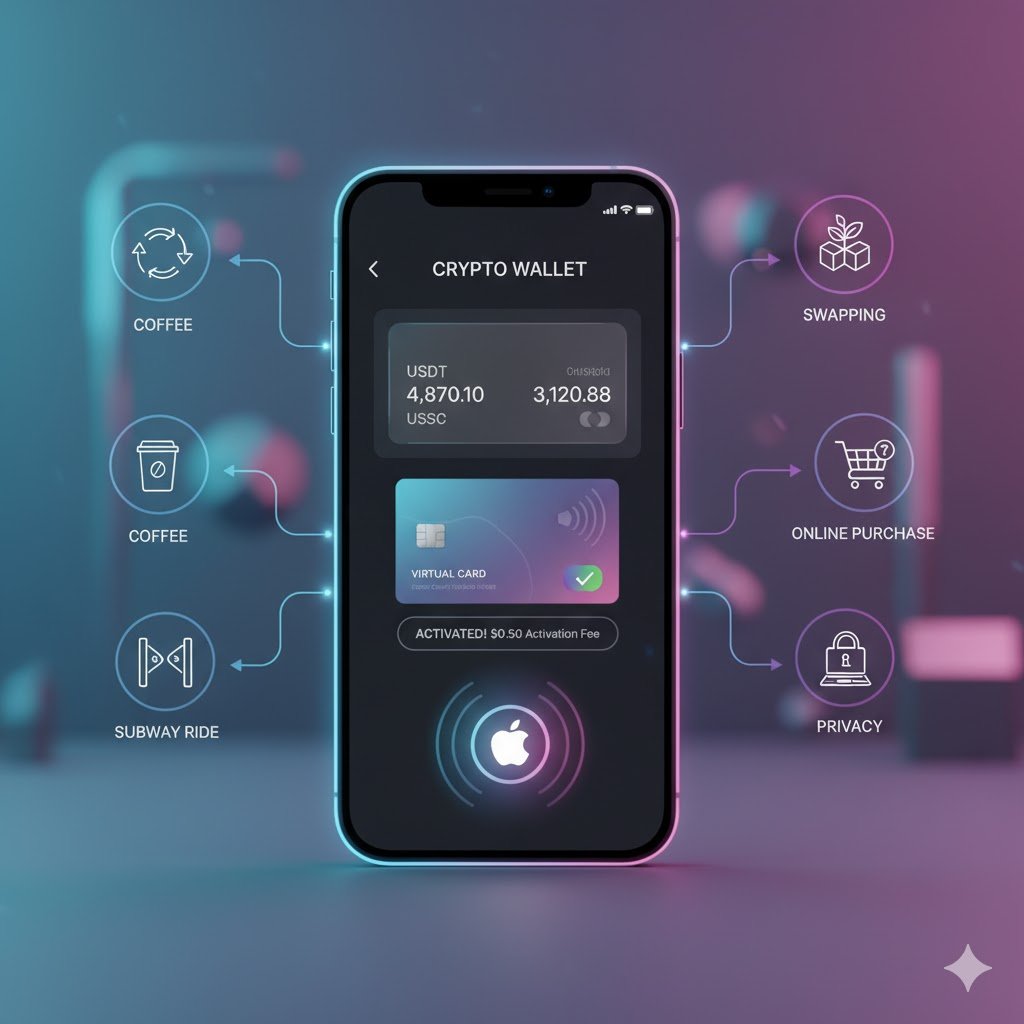
Simplified User Experience: By eliminating the need to hold multiple tokens for fees (e.g., ETH or BNB), USDT-native chains streamline the on/off-ramp process. Users transact and pay fees in USDT alone, reducing friction and onboarding barriers for both individuals and businesses.
-
Enhanced Privacy: Platforms like Offramp.xyz offer privacy-focused features by minimizing off-chain data exposure during stablecoin on/off-ramping. Using USDT as native gas reduces the number of token transfers and potential data leaks across multiple blockchains.
-
Broader DeFi Integration: The adoption of USDT as native gas on networks such as Stablechain supports seamless integration with DeFi protocols, enabling users to access lending, payments, and liquidity services without managing multiple assets or incurring extra conversion steps.
Privacy advocates also benefit from this architecture. By reducing the need for multiple token swaps (which often traverse centralized exchanges or KYC-heavy bridges), users can maintain greater transactional privacy when moving between crypto and fiat rails. The fewer intermediaries and asset conversions involved, the lower the data exposure, an increasingly important consideration as regulatory scrutiny intensifies globally.
Interoperability and DeFi Integration: Expanding Stablecoin Utility Beyond Payments
The adoption of USDT as native gas is not just about payments; it’s rapidly accelerating stablecoin integration into decentralized finance (DeFi). Protocols built atop Stablechain can now offer lending, borrowing, staking, and liquidity provision, all denominated and settled in USDT. This eliminates slippage and fee unpredictability tied to volatile network tokens, creating a more robust foundation for DeFi primitives.
Additionally, interoperability between ramp providers has improved. Liquidity networks like BVNK are leveraging Layer 1 solutions to streamline payouts in USD, EUR, and GBP, abstracting away technical friction for both retail users and institutional clients. As more providers adopt these standards, we’re seeing a convergence toward universal stablecoin rails that operate efficiently across borders and platforms.
What’s Next? The Roadmap for Stablecoin On/Off-Ramping
The competitive landscape is evolving quickly. Top-rated on/off-ramp platforms are already benchmarking their services against metrics like fee transparency, processing speed, privacy features, and compliance coverage, all factors amplified by the shift to USDT-native gas models (see Token Metrics 2025 rankings). As adoption scales up through 2026, expect further innovation around non-custodial ramps, programmable compliance (via smart contracts), and cross-chain stablecoin swaps that keep settlement times under one second.
For crypto enthusiasts seeking practical solutions today, whether you’re paying international suppliers or cashing out profits, the message is clear: single-asset simplicity is here to stay. Platforms leveraging USDT as both payment medium and gas token are setting a new standard for efficiency in digital asset management.
If you want an even deeper dive into how this technical shift is reimagining stablecoin utility at every layer of the stack, including security implications, explore this analysis on Stablechain’s mainnet launch.
About the Author