


Stablecoin cards have rapidly evolved in 2025, reshaping how crypto holders convert digital assets to fiat while striving for privacy. As the regulatory climate tightens and demand for frictionless payments surges, understanding the mechanics and privacy implications of stablecoin debit cards is essential for anyone prioritizing both utility and discretion.

How Stablecoin Cards Work in 2025
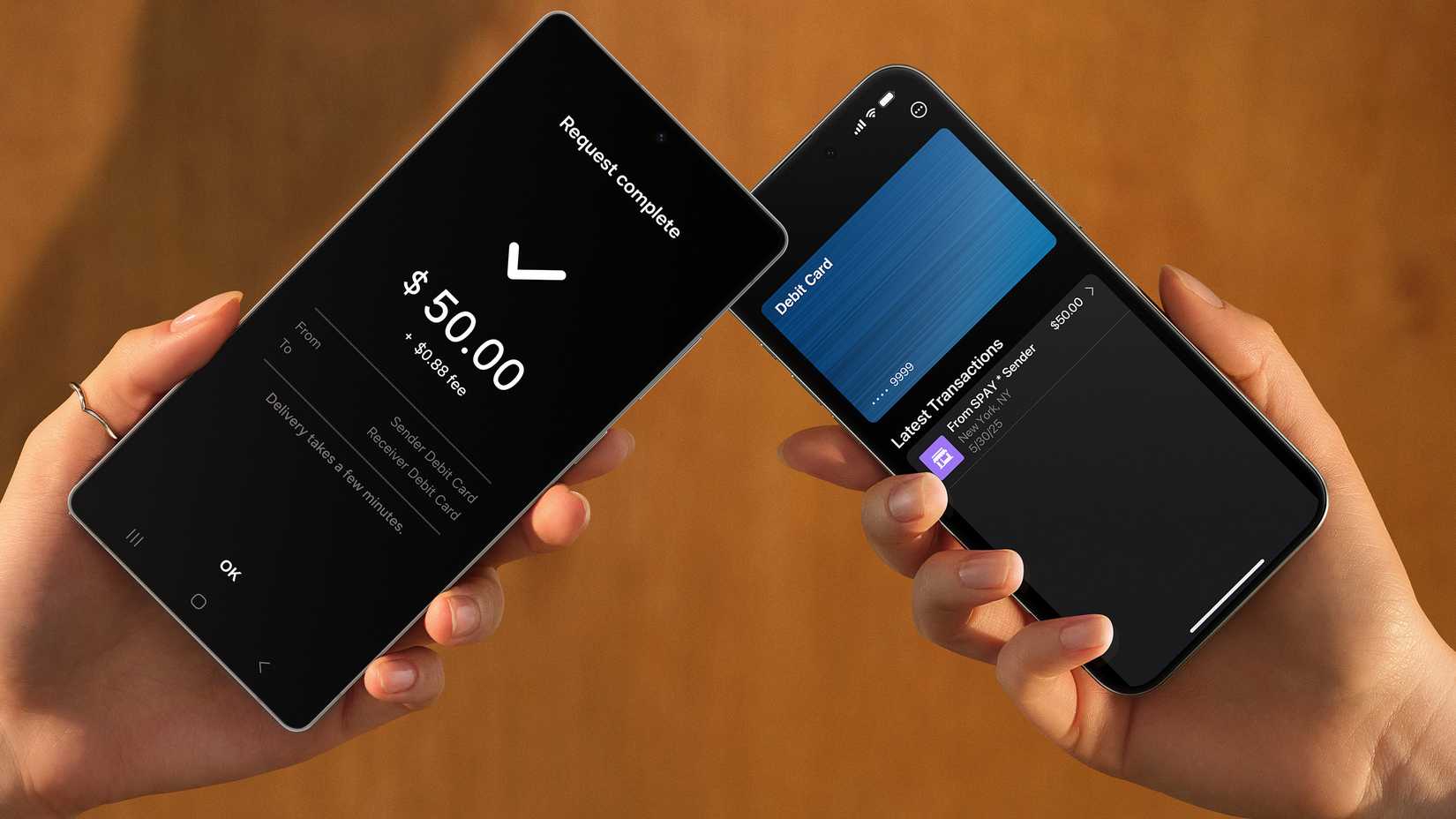
Unlike traditional crypto debit cards that require you to pre-convert assets, modern stablecoin cards link directly to your USDT, USDC, or DAI holdings. When you initiate a purchase or ATM withdrawal, these platforms instantly convert the necessary amount of stablecoins into local currency at the point of sale. With payment networks like Visa and Mastercard now supporting multiple stablecoins across several blockchains, spending crypto at global merchants has never been more seamless.
The process typically unfolds as follows:
- You top up your card with supported stablecoins via an on-ramp platform.
- Your card provider maintains a custodial or non-custodial wallet holding your balances.
- When you pay at a merchant or withdraw from an ATM, the provider executes an instant swap from stablecoin to fiat, settling the transaction in real time.
This model delivers two major advantages: predictable value (since stablecoins track fiat currencies like USD) and near-instant settlement speed. The result is a payment experience that rivals mainstream banking, without requiring users to fully exit the crypto ecosystem until funds are spent.
Privacy Considerations: Can You Stay Anonymous?
The pursuit of private crypto-to-fiat conversion is complicated by global KYC/AML requirements. Most reputable card issuers now mandate identity verification, even if your on-chain activity remains pseudonymous. While some platforms claim “no-KYC” options with prepaid limits or third-party intermediaries, these usually come with tradeoffs:
- Lower spending limits: No-KYC cards often cap usage well below regulated alternatives.
- Limited merchant acceptance: Some no-KYC solutions may not work everywhere Visa/Mastercard is accepted.
- Compliance risk: Using fully anonymous cards can expose you to legal scrutiny depending on your jurisdiction.
For those who value privacy but want practical usability, hybrid approaches are emerging. Minimal-KYC off-ramps allow small transactions with only basic checks, sometimes as little as an email address, while non-custodial swaps let you anonymize funds before loading them onto a card. However, full anonymity remains elusive if you intend to spend widely accepted fiat via mainstream networks.
Tactics for Maximizing Privacy When Converting Stablecoins
If preserving anonymity is paramount, consider these pragmatic tactics:
- Use non-custodial exchanges first: Platforms like AnonSwap enable private swaps between various cryptos without collecting personal information. This helps break direct links between your main wallet and off-ramp destination.
- Select minimal-KYC providers for small amounts: Some services allow limited fiat withdrawals or spending with only surface-level verification, ideal for one-off needs rather than ongoing payroll or large purchases.
- Diversify off-ramp channels: Instead of relying solely on one card or service, spread out conversions across multiple platforms to minimize data aggregation by any single provider.
The key is balancing convenience against compliance risk, and always staying updated on local laws regarding anonymous financial transactions. For more practical strategies and up-to-date platform reviews, see our detailed guide on anonymous crypto off-ramping with stablecoin cards.
Even with the best privacy practices, users should understand that no solution is truly bulletproof. Blockchain analytics have become increasingly sophisticated, and regulators are quick to adapt. Therefore, always weigh the benefits of privacy against the potential downsides, such as frozen funds or denied services if a provider tightens its compliance standards overnight.
Safest Ways to Use Stablecoin Cards Privately in 2025
-
Choose Reputable, Minimal-KYC Card IssuersOpt for established platforms like Laso Finance or Bitget Wallet that offer stablecoin prepaid cards with minimal KYC requirements. These cards support major stablecoins (USDT, USDC, DAI), work with Visa/Mastercard networks, and often integrate with Apple Pay and Google Pay. Always verify the platform’s compliance and privacy policies before applying.
-
Utilize Non-Custodial Exchanges for AnonymityBefore loading your card, use non-custodial, no-KYC exchanges like AnonSwap to swap your crypto for stablecoins privately. This extra layer can help obscure the origin of funds before card conversion, but be mindful of transaction limits and higher fees.
-
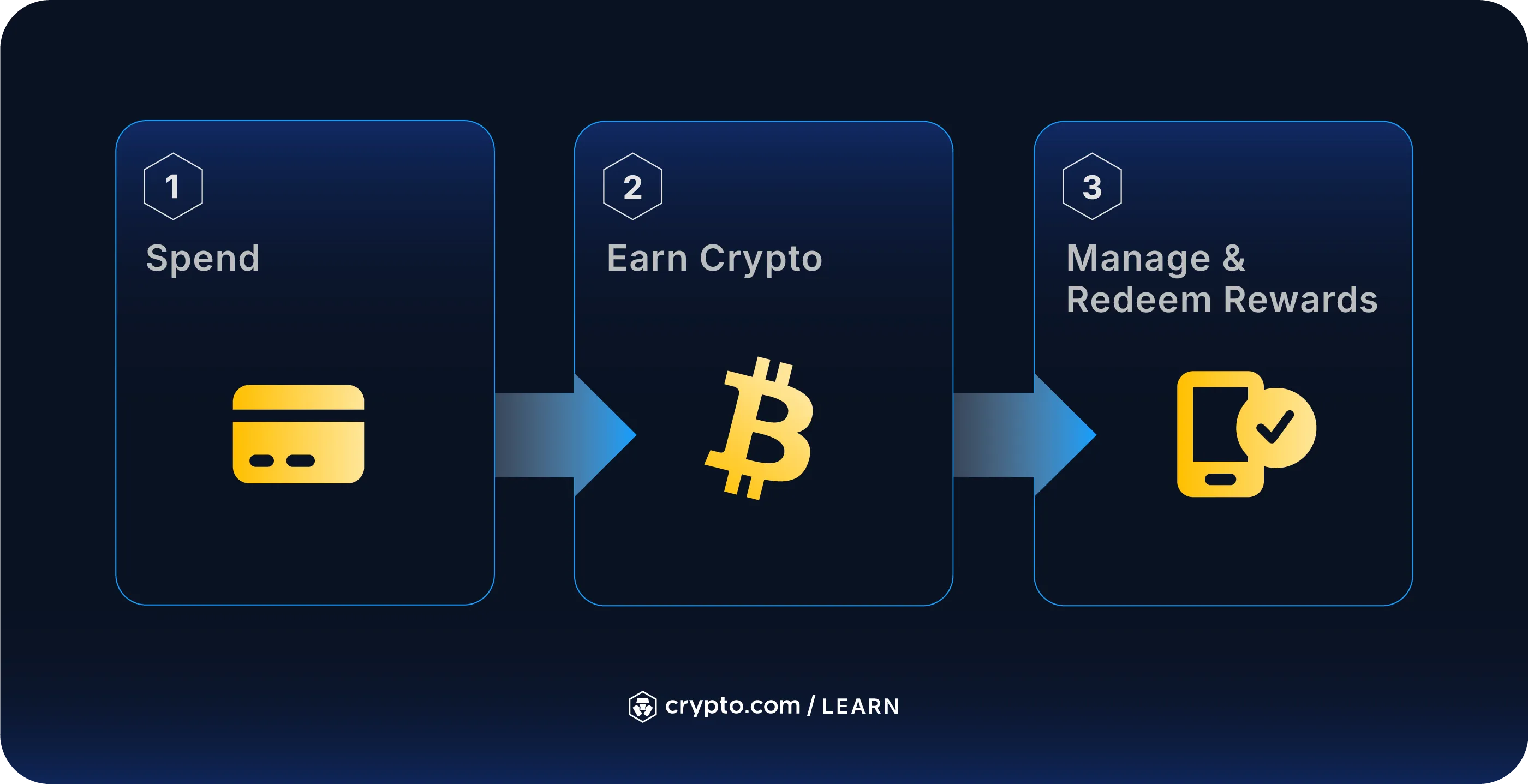
Limit Transaction Sizes to Stay Under KYC ThresholdsMany minimal-KYC platforms allow higher privacy for smaller transaction amounts. By keeping individual conversions below set limits, you can often avoid triggering stricter identity checks. Always check the current thresholds and comply with local regulations.
-
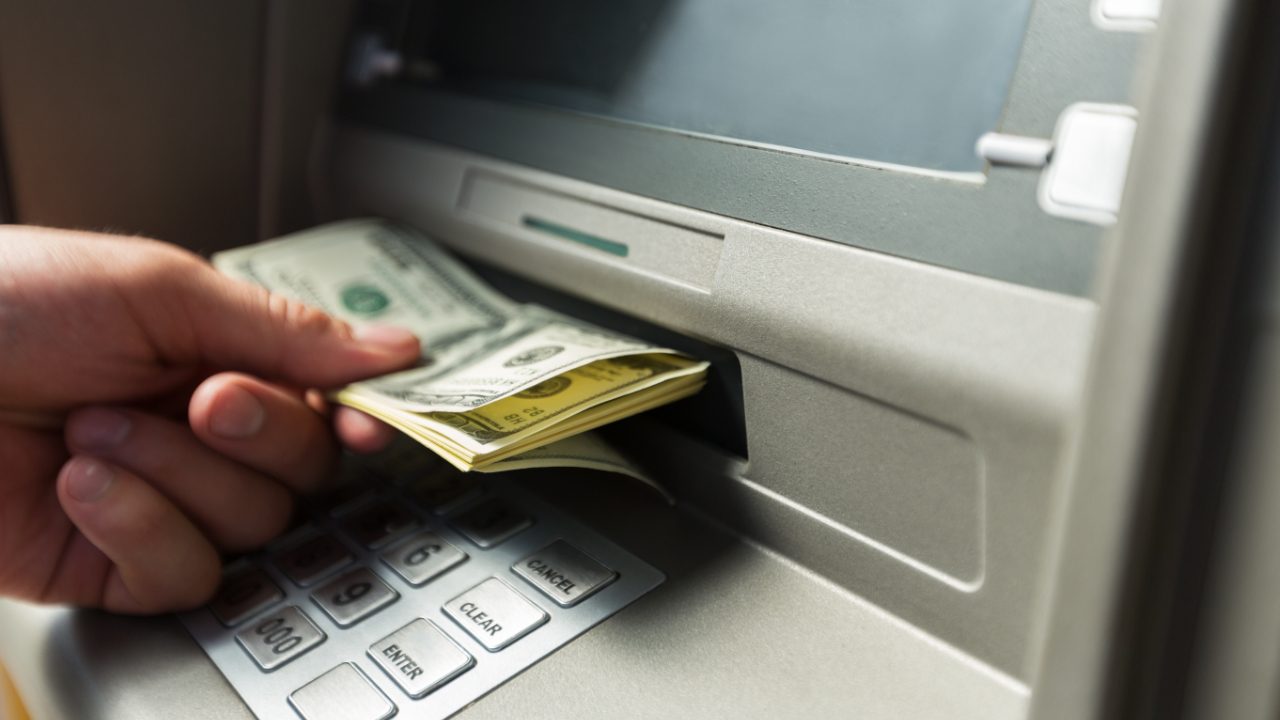
Withdraw Fiat at ATMs Instead of Direct PurchasesWhere supported, use your stablecoin card to withdraw cash from ATMs. This method can provide an additional layer of privacy compared to point-of-sale transactions, as it reduces the digital trail linked to specific purchases.
For those seeking the optimal blend of privacy and usability, using stablecoin cards in conjunction with privacy-preserving wallets and non-custodial swaps is often the most effective approach. This layered method prevents any single entity from having a complete view of your financial activity. Many seasoned users also recommend regularly rotating card providers and wallet addresses, especially if you’re operating in high-risk jurisdictions.
Best Practices for Secure and Private Stablecoin Card Use
To maximize security while minimizing exposure, consider these best practices:
- Enable two-factor authentication (2FA) on all platforms handling your funds.
- Avoid reusing wallet addresses when topping up cards, fresh addresses make tracking more difficult.
- Monitor regulatory updates in your country to avoid inadvertently violating new rules.
- Keep transaction amounts modest, especially when using minimal-KYC or no-KYC services.
- Use encrypted communication channels when contacting support or sharing sensitive information.
If you’re new to this space or want a step-by-step walkthrough, check out our comprehensive overview on stablecoin-powered prepaid cards for anonymous off-ramping.
Looking Ahead: The Future of Anonymous Crypto-to-Fiat Conversion
The landscape for private digital payments is evolving rapidly. As stablecoins become more deeply integrated into global payment networks, and as compliance standards continue to shift, users will need to remain agile. Expect further innovation in hybrid models that combine speed, convenience, and enhanced privacy features. Watch for developments such as decentralized identity solutions that could one day allow proof-of-personhood without revealing personal details to every service provider.
The bottom line: Stablecoin debit cards are an indispensable tool for anyone looking to bridge crypto and fiat efficiently in 2025. While true anonymity is hard to guarantee, careful platform selection and privacy-conscious habits can go a long way toward protecting your financial sovereignty. For ongoing updates on emerging tools and regulatory trends shaping private crypto off-ramps, explore our resource on how stablecoin cards are revolutionizing crypto off-ramps in 2025.
About the Author