
Get crypto to fiat 2026 right
Before you initiate a transfer, ensure your account is fully prepared to meet regulatory thresholds and avoid frozen funds. This guide walks you through the legal and technical steps to convert digital assets into traditional currency safely.
Start by verifying your identity. Most reputable exchanges require full KYC (Know Your Customer) verification, including government ID and proof of address, which is non-negotiable for moving significant sums.
Next, check your bank account status. Ensure your bank allows incoming transfers from crypto exchanges, as some traditional banks block these transactions entirely. Contact your bank beforehand if unsure to avoid returned transfers.
Finally, understand the tax implications. In the US, selling crypto is a taxable event. Keep records of your original purchase price (cost basis) and the sale price to file accurately and avoid IRS scrutiny.
Work through the steps
Converting crypto to fiat legally requires navigating tax reporting, exchange verification, and banking compliance. Treat this as a formal financial transaction rather than a casual swap.
Before selling, ensure your exchange account is fully verified (KYC). The IRS tracks crypto transactions through reporting entities like Coinbase or Kraken. Link a verified bank account or debit card to your exchange to create an audit trail proving your fiat funds originated from legitimate crypto sales. Avoid anonymous peer-to-peer markets if you want to minimize tax complications.

You owe taxes on the difference between what you paid for the crypto and what you sell it for. Use the FIFO (First-In, First-Out) method unless you can specifically identify lots. Most major exchanges provide a tax center that generates a cost basis report; download this before you sell. If you hold the asset for less than a year, it is short-term capital gains (taxed as ordinary income). Over a year is long-term (lower rates).
Place a sell order for USD, EUR, or GBP depending on your bank. Stick to liquid pairs like BTC/USD or ETH/USD to get the best rate. Avoid exotic altcoins if you need fiat quickly, as spreads can be wide. When you sell, the exchange reports the transaction to the IRS. Ensure the amount matches your calculated cost basis to prevent discrepancies in your tax return.
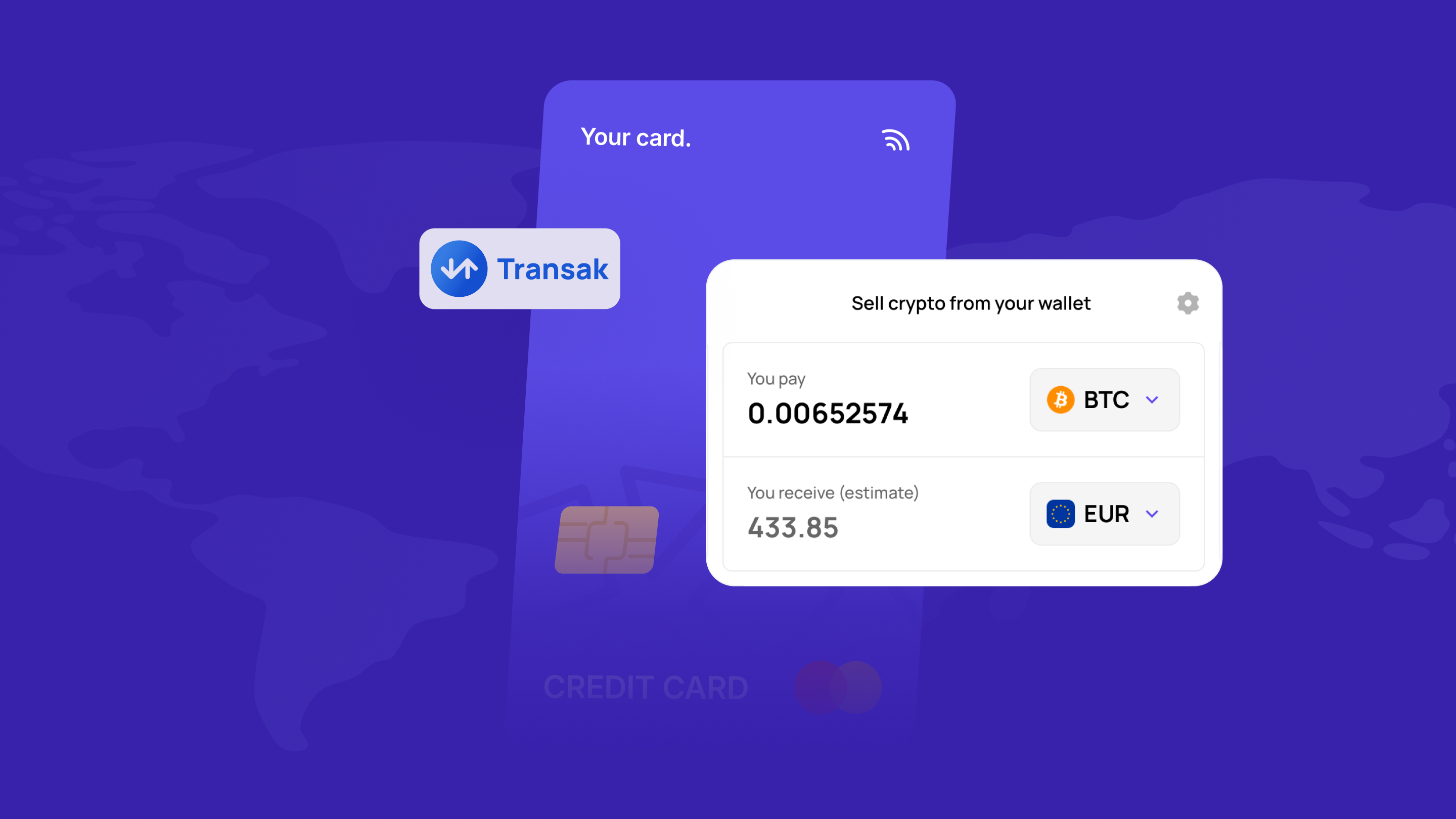
Withdraw your fiat from the exchange to your linked bank account using ACH or wire transfers for better tracking. Large deposits (over $10,000) trigger a Currency Transaction Report (CTR) filed by the bank. This is standard and not suspicious on its own, but keep your transaction IDs from the exchange handy to explain the source of funds if your bank asks.

Save all trade confirmations, bank statements, and tax forms (like 1099-B from US exchanges). If you use a non-US exchange, you may need to manually report foreign accounts. File Schedule D and Form 8949 with your tax return. If you are unsure about the complexity of your portfolio, consult a CPA who specializes in digital assets. Proper documentation is your best defense against IRS audits.
Fix common mistakes
Troubleshoot off-ramp issues by identifying what is actually broken versus what still works. Check the display, network connection, paired devices, app access, and recent updates before assuming the whole system needs a reset. A small connection failure can make the main screen feel unreliable even when the core system is fine.
Work from low-risk checks to deeper resets. Confirm power state, safe parking, account access, and signal first. Then restart the interface, wait for it to reload completely, and test the original symptom. Avoid changing multiple settings at once because that makes it harder to know which step actually fixed the problem.
If the issue affects safety information, repeats after every restart, or appears with warning messages, treat the reset as a temporary diagnostic step rather than the final fix. Document the symptom and move to official support instead of stacking more DIY attempts.
The simplest way to use this section is to keep the setup small, verify each change, and record the stable configuration before adding optional accessories.
No comments yet. Be the first to share your thoughts!