
Stablecoin cards are rapidly transforming how crypto users interact with both digital and traditional finance. By directly linking your stablecoins, such as USDT, USDC, or DAI, to a payment card, you can move seamlessly between crypto and fiat without the typical friction of legacy banking. For those who value privacy and efficiency, these cards offer a compelling solution for anonymous crypto on-ramps and off-ramps.
Why Use Stablecoin Cards for On/Off-Ramping?
Traditional crypto on-ramps (converting fiat to crypto) and off-ramps (converting crypto back to fiat) often require extensive KYC checks, lengthy withdrawal times, and leave a detailed paper trail. Stablecoin cards disrupt this model by allowing you to:
- Spend stablecoins instantly at any merchant that accepts Visa or Mastercard
- Withdraw cash from ATMs, converting digital assets to local currency in seconds
- Avoid lengthy exchange withdrawal processes
- Maintain greater privacy, especially when using providers that support minimal or no KYC for lower transaction volumes
This makes stablecoin cards an ideal tool for those seeking secure crypto to fiat solutions while minimizing exposure of their financial activities.
The Mechanics: How Stablecoin Cards Work
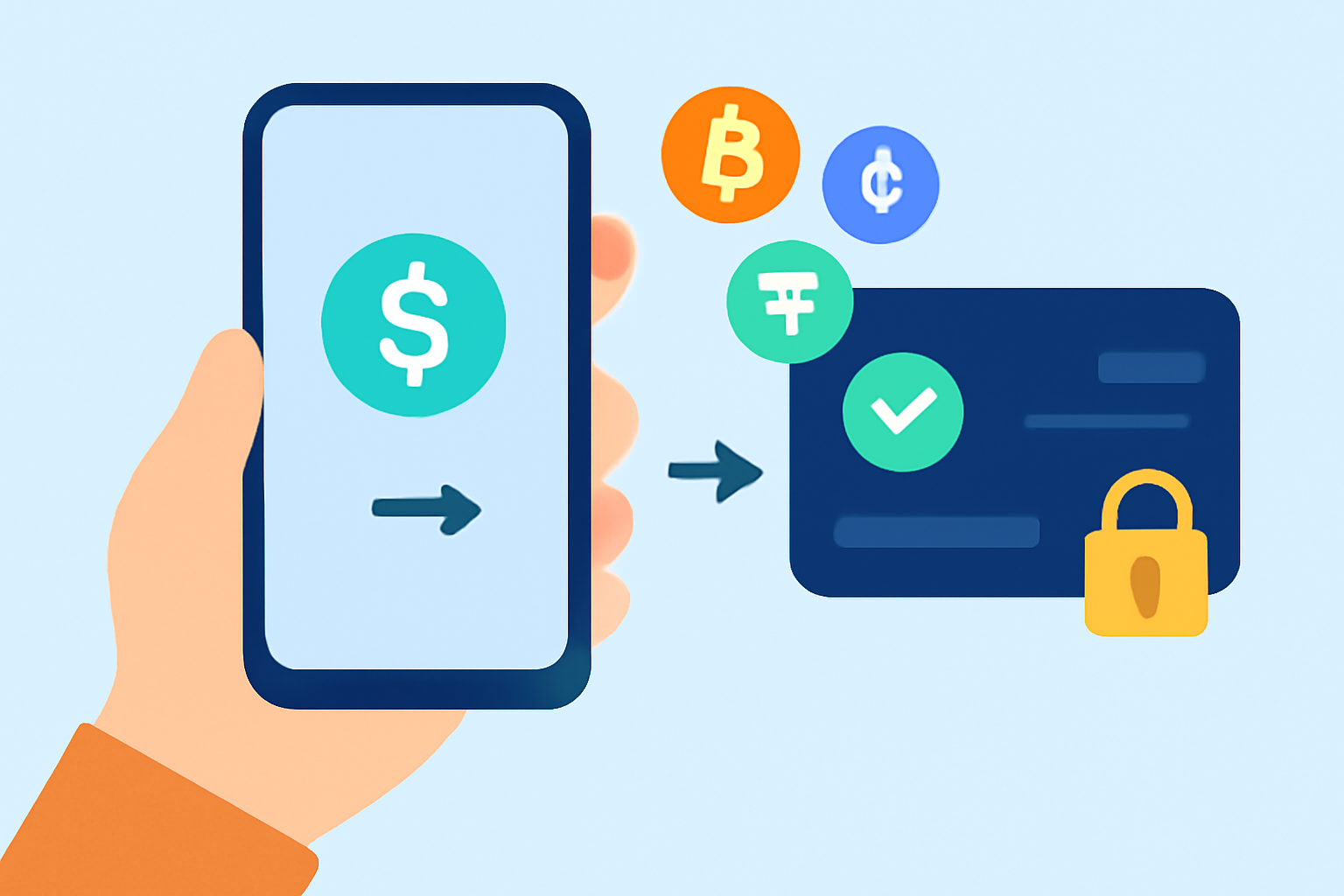
At their core, stablecoin cards tokenize your funds inside a custodial ledger. When you load your card with USDT, USDC, or DAI, the provider holds these assets and converts them into fiat at the point of sale or ATM withdrawal. You spend your crypto as easily as swiping a debit card, no manual conversion required.
The process typically looks like this:
Steps to Load and Use a Stablecoin Card Anonymously
- Select a Privacy-Focused Card Provider: Choose a reputable platform that offers stablecoin cards with minimal KYC requirements. Mt Pelerin and Zypto are two established options known for supporting user privacy within set transaction limits.

- Review and Understand Transaction Limits: Carefully check the provider’s daily, monthly, and yearly transaction limits for anonymous use. For example, Mt Pelerin allows non-KYC transactions up to specific thresholds to maintain user privacy.
- Load Your Card with Stablecoins: Transfer stablecoins like USDT, USDC, or DAI to your card account. Ensure the loading process follows the provider’s privacy and security guidelines.
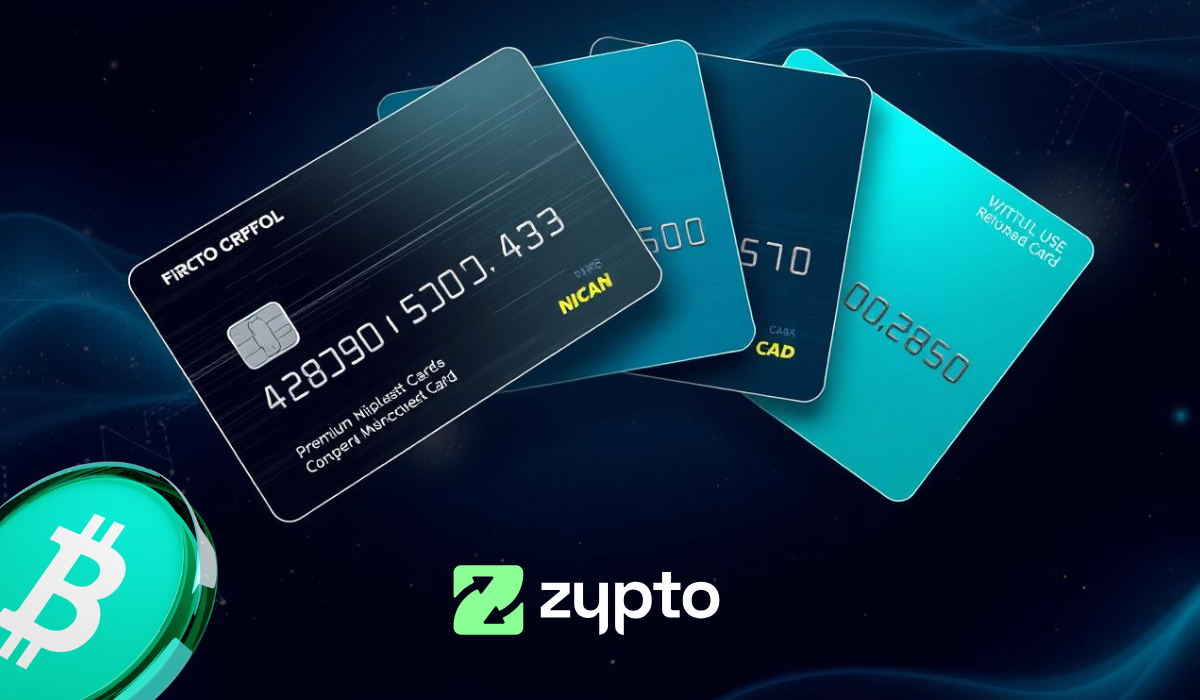
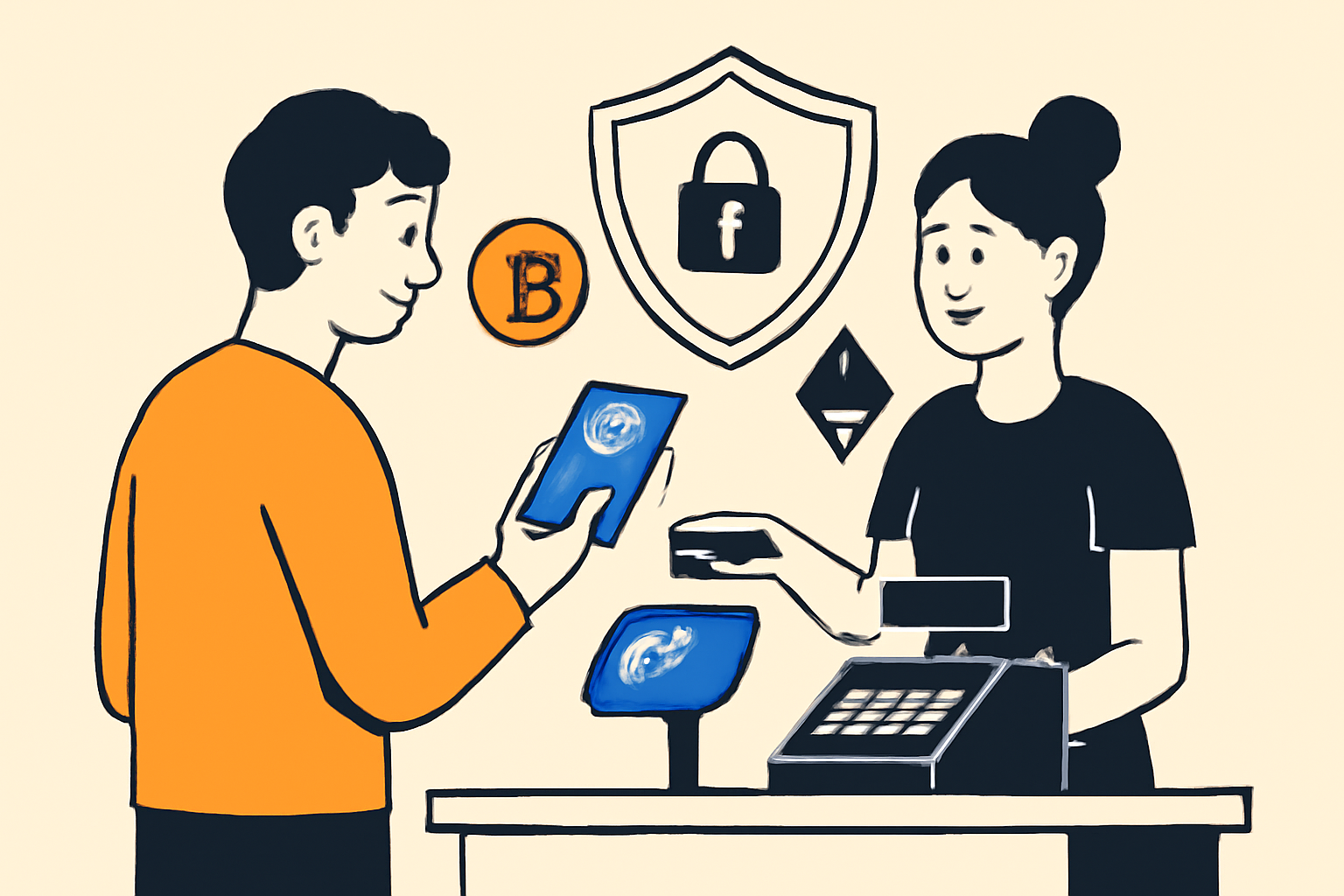
- Use the Card for Purchases or ATM Withdrawals: Spend your stablecoins directly at merchants or withdraw cash at ATMs using your card. Always stay within the set spending limits and be aware of any applicable fees.
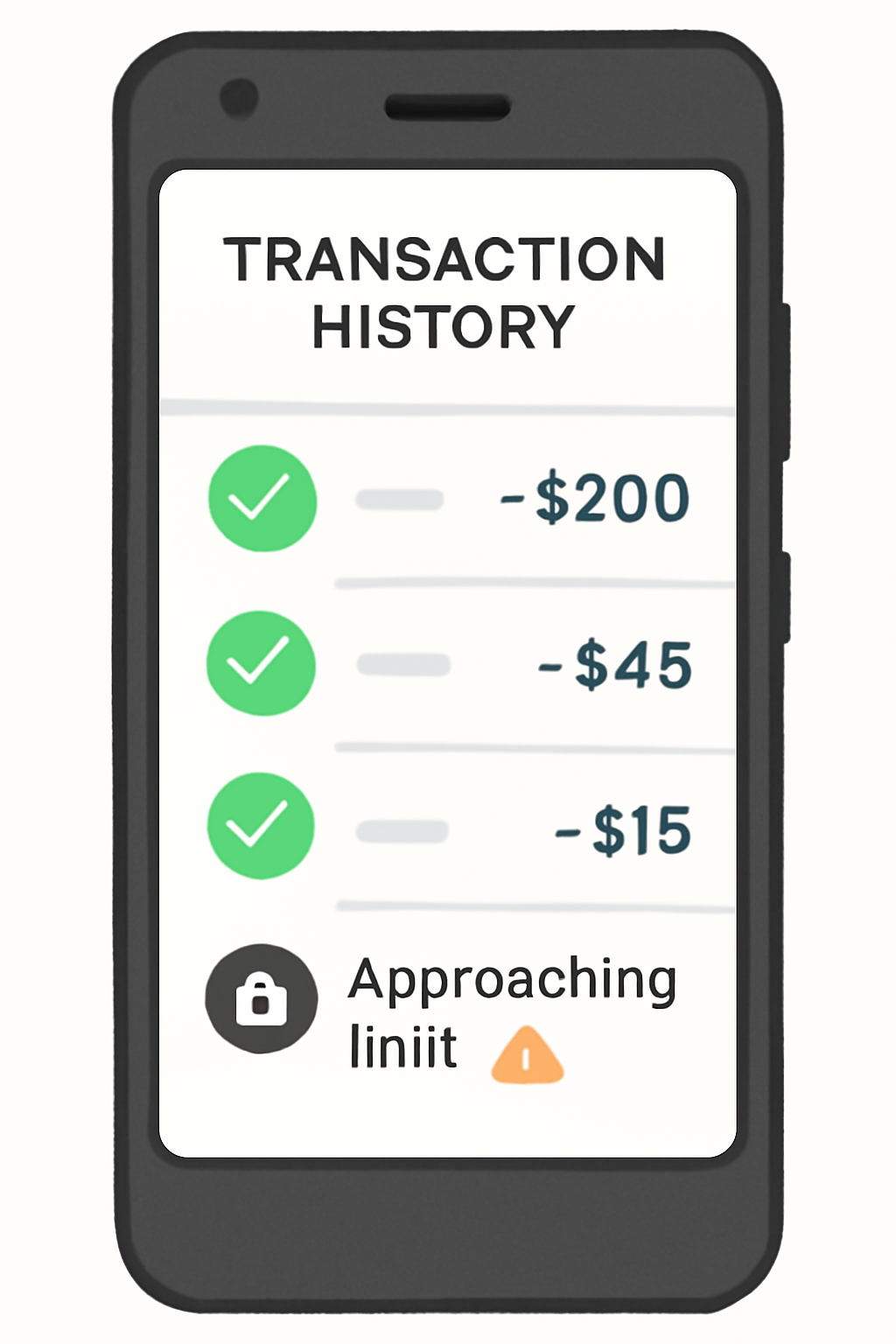
- Monitor Transactions and Stay Compliant: Regularly review your card’s transaction history to ensure you remain within anonymous usage thresholds and comply with platform policies. This helps maintain your privacy and avoid accidental KYC triggers.
This seamless experience is further enhanced by platforms like Mt Pelerin and Zypto. Mt Pelerin, for example, allows users to transact up to certain limits without mandatory KYC checks, an attractive feature for privacy advocates.
Anonymity in the Age of Regulation: What’s Possible?
The desire for private stablecoin conversion is clear, but so are the regulatory hurdles. Most jurisdictions enforce strict KYC/AML rules above certain thresholds. Yet providers like Zypto offer prepaid single-use VISA/Mastercard options with minimal verification requirements, empowering users to maintain control over their data while staying within legal boundaries.
If you're serious about anonymity:
- Select platforms with transparent privacy policies and clear transaction limits.
- Monitor your usage closely to avoid triggering additional verification requests.
- Avoid linking personal bank accounts unless absolutely necessary.
The key is understanding both the strengths and limitations of each provider, some allow higher non-KYC limits than others, while all will have some form of compliance trigger at higher volumes.
Practical Steps: Using Your Card Anonymously Today
How to Load and Use a Stablecoin Card Anonymously
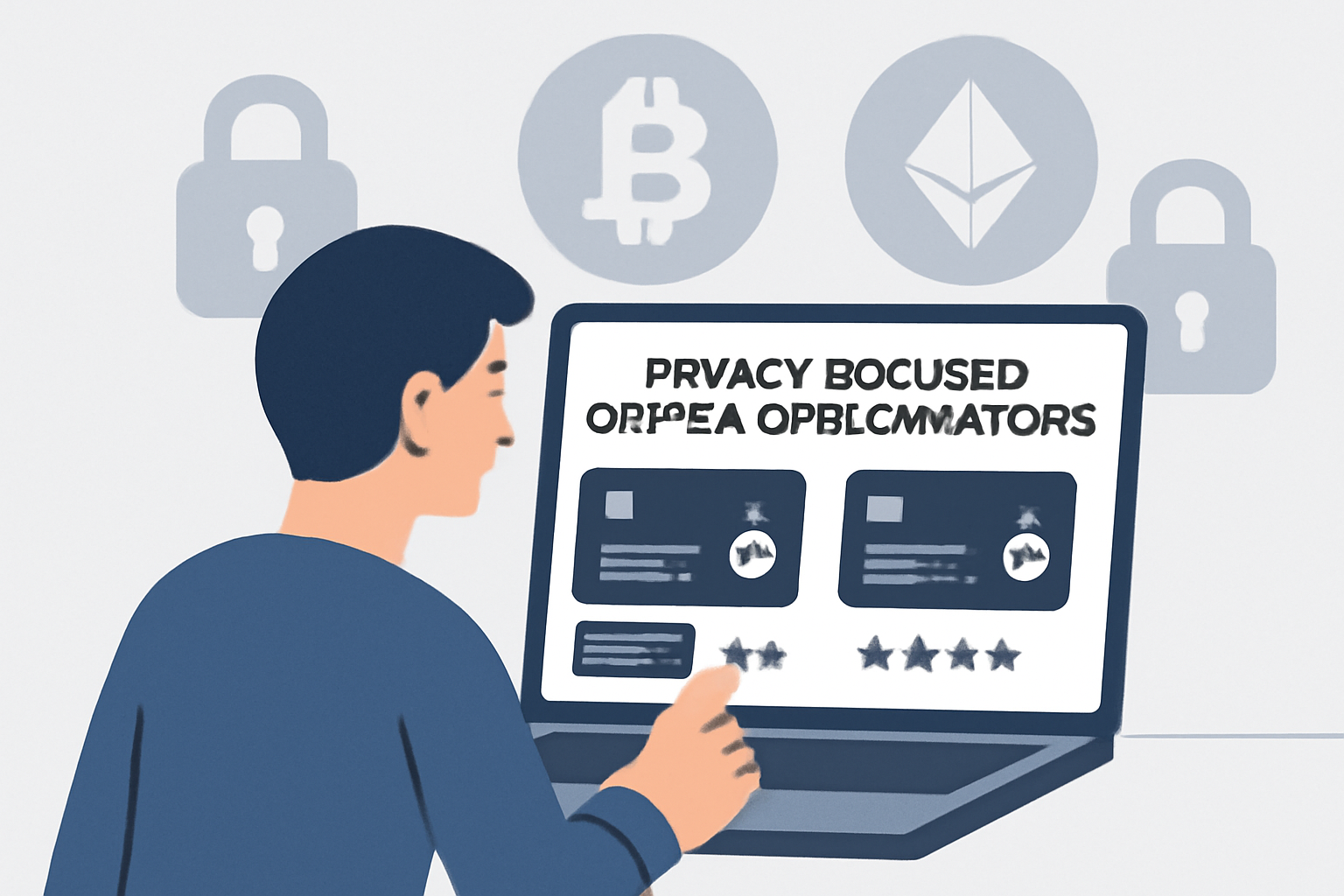
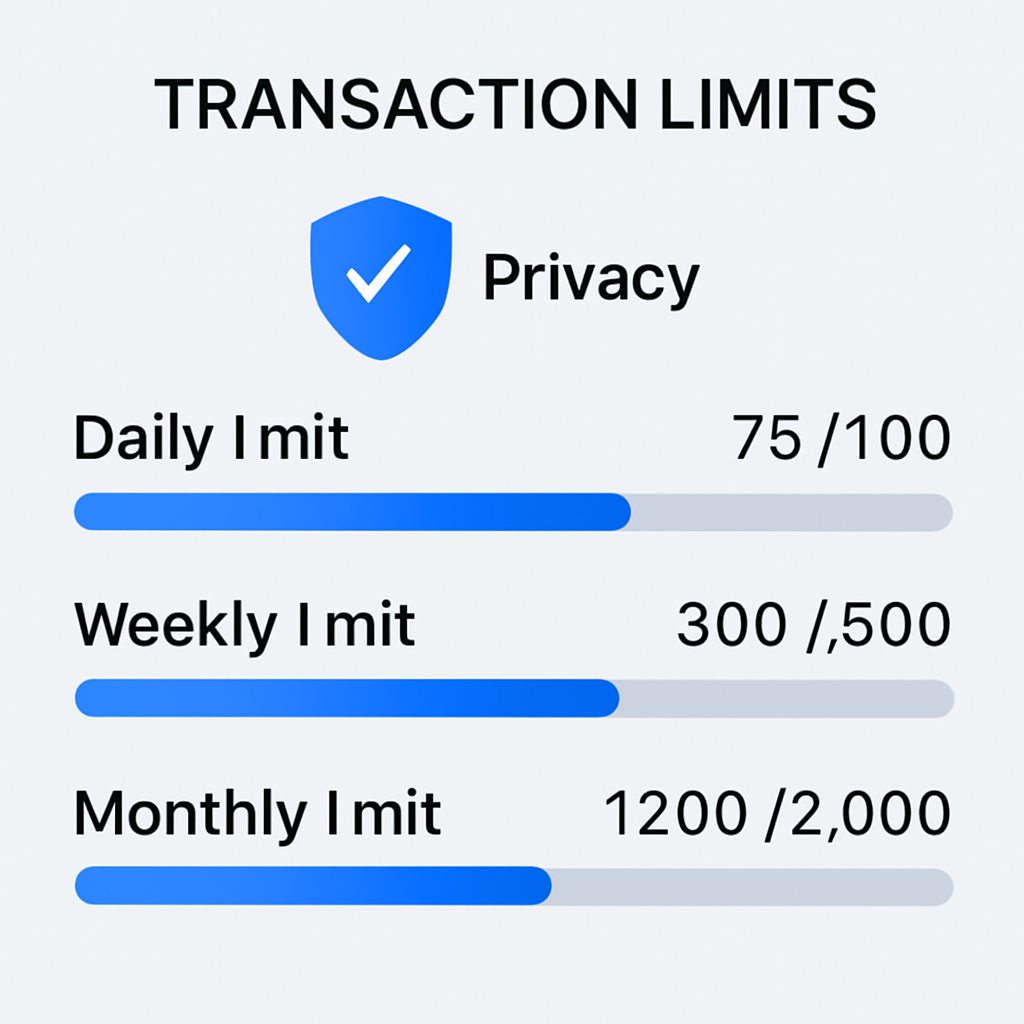
Your journey starts by choosing the right provider based on your location and privacy needs. Platforms such as Mt Pelerin let you buy or sell crypto in over 170 countries with non-KYC thresholds; Zypto focuses on single-use prepaid options for added discretion (learn more here). Always verify supported currencies (USDT, USDC, DAI), transaction fees, daily/monthly caps for anonymous use, and merchant acceptance before committing funds.
Once your stablecoin card is funded, you’re ready to transact anywhere Visa or Mastercard are accepted. This includes online retailers, brick-and-mortar shops, and ATMs worldwide. The beauty of this system lies in its speed and discretion: there’s no need to wait for bank transfers or endure the scrutiny of traditional financial institutions. For many, this is the ultimate expression of financial autonomy.
Balancing Privacy With Practicality
While stablecoin cards offer a significant privacy advantage over centralized exchanges, it’s crucial to balance your desire for anonymity with practical considerations. Most privacy-focused providers enforce strict daily or monthly limits on non-KYC transactions. For example, Mt Pelerin allows users to operate under certain thresholds before triggering identification requirements. This means you can enjoy private stablecoin conversion: but only up to a point.
For larger purchases or cash withdrawals that exceed these limits, be prepared for enhanced verification steps. If total anonymity is your goal, consider using several cards across different platforms or spreading transactions over time to avoid crossing compliance triggers.
Top Tips for Maximizing Privacy with Stablecoin Cards
- Choose Privacy-Focused Card Providers: Opt for reputable platforms like Mt Pelerin and Zypto that offer stablecoin cards with minimal or no mandatory KYC for lower transaction volumes. These services are designed to prioritize user privacy within regulatory limits.
- Understand and Respect Transaction Limits: Each privacy-oriented provider sets specific daily, monthly, and yearly transaction caps for non-KYC users. For example, Mt Pelerin enforces limits to maintain anonymity—always check and stay within these thresholds.
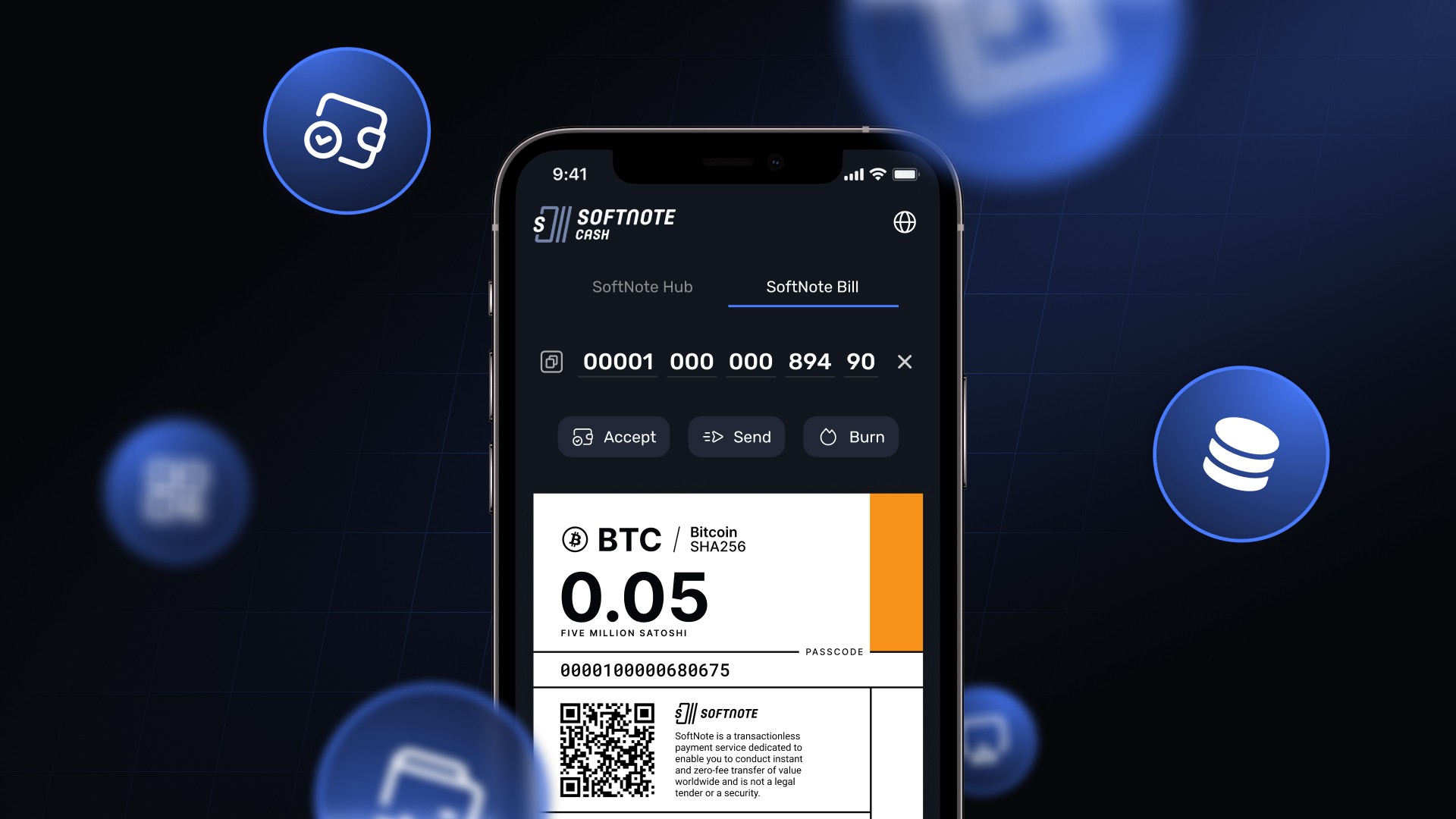
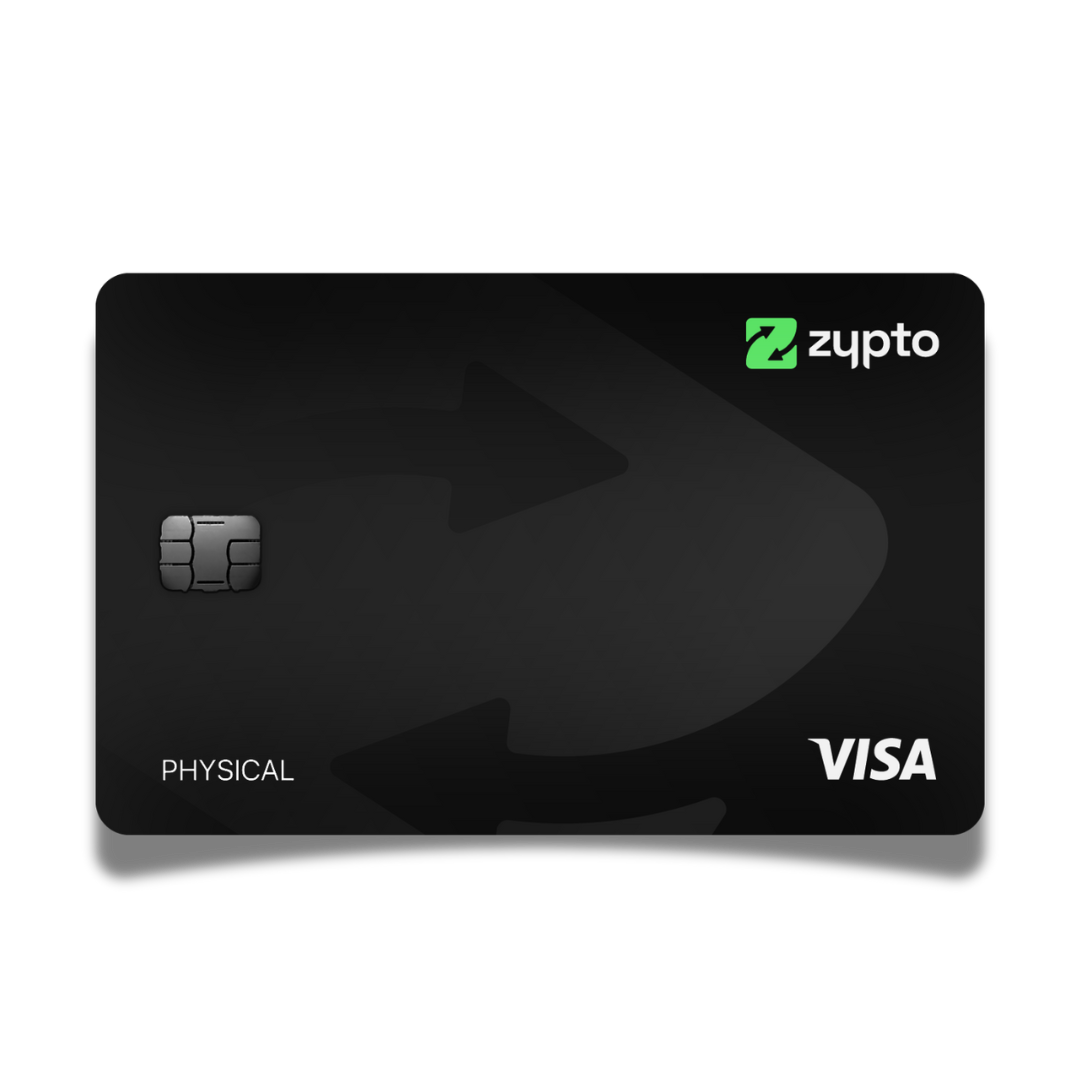
- Use Single-Use or Virtual Cards: Platforms like Zypto offer single-use VISA and Mastercard options, which reduce the risk of your card details being linked to your identity over time. These are ideal for one-off or controlled anonymous spending.
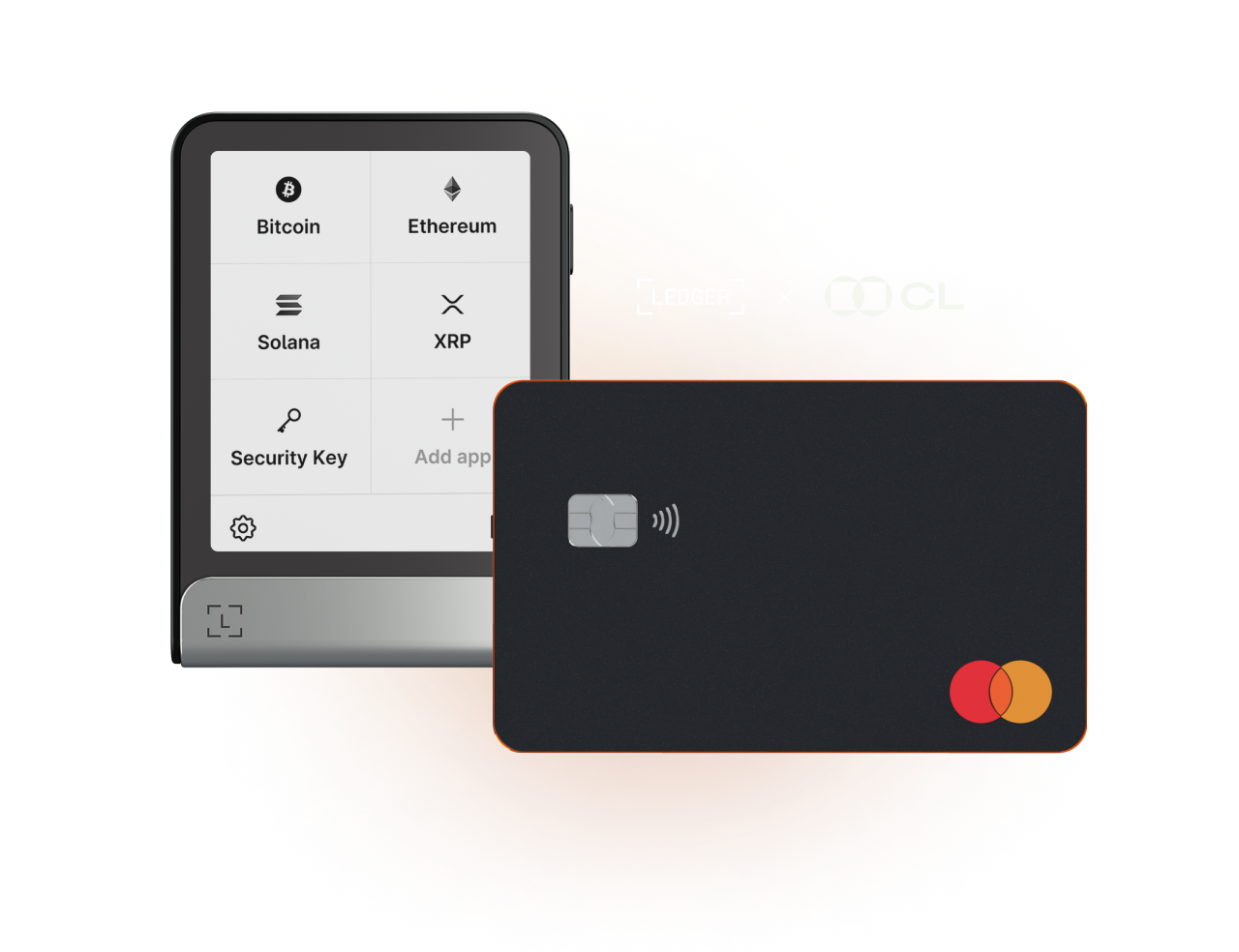
- Fund Your Card with Privacy in Mind: When loading your card, use privacy-preserving wallets or exchanges that do not require extensive personal information. Always ensure the transfer process aligns with your privacy goals and the provider’s policies.
- Monitor Usage and Stay Informed: Regularly review your card’s transaction history and the provider’s anonymity policies. This helps you avoid exceeding limits that could trigger KYC requirements and ensures ongoing compliance with privacy best practices.
- Stay Updated on Local Regulations: Privacy levels can vary greatly by jurisdiction. Always research and comply with local laws regarding crypto card usage and KYC/AML requirements to avoid legal complications.
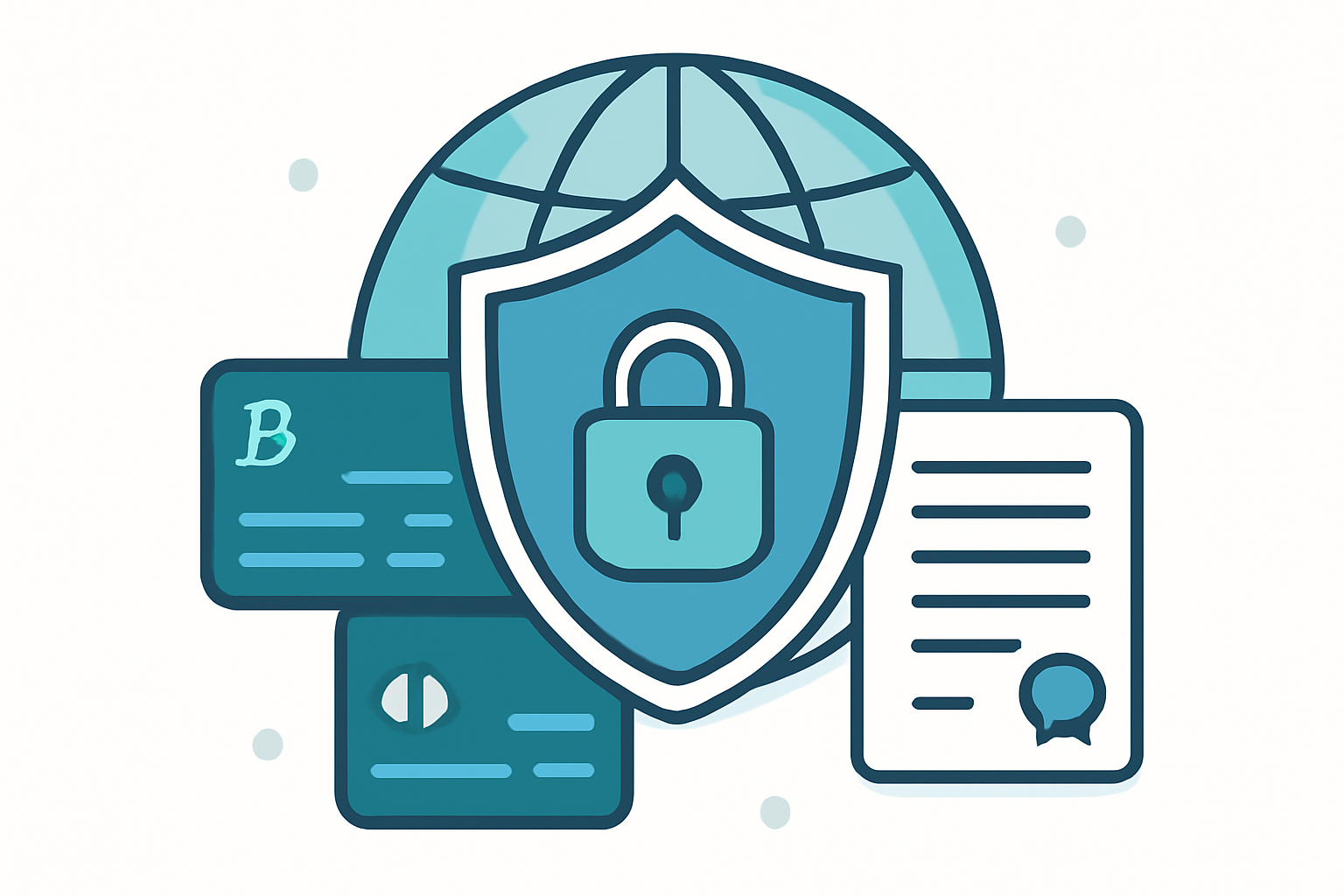
- Prioritize Platform Security: Select stablecoin card providers with robust security features, such as two-factor authentication and end-to-end encryption, to safeguard both your funds and your personal data.
It’s also wise to keep an eye on evolving regulations in your jurisdiction. As governments adapt to the growing adoption of crypto off-ramp solutions, rules around KYC and AML may change rapidly. Stay up-to-date by following reputable industry sources and reviewing provider policies regularly.
Security First: Protecting Your Digital Assets
Anonymity should never come at the expense of security. When selecting a provider for your stablecoin card, prioritize platforms with robust security features, such as two-factor authentication (2FA), end-to-end encryption, and transparent custody practices. Remember that while some providers hold your funds in custodial wallets for seamless conversion at point-of-sale, you still retain responsibility for safeguarding access credentials.
If possible, opt for single-use or disposable card options when making sensitive purchases. These minimize exposure if card details are compromised and add an extra layer of privacy by reducing traceability between transactions.
Knowledge is your best edge: Regularly review transaction histories and audit permissions linked to your card account, especially if using multiple platforms or cards simultaneously.
The Future of Anonymous Crypto On/Off-Ramping
The rise of stablecoin cards marks a pivotal shift in how individuals interact with digital assets and fiat currency alike. As technology evolves and regulatory frameworks mature, expect even more sophisticated solutions that blend privacy with convenience, empowering users without sacrificing compliance or security.
For now, those seeking secure crypto to fiat options with minimal friction have more tools than ever before at their disposal. By understanding the mechanics behind these cards, and choosing providers who align with your values, you can confidently navigate the world of private finance on your own terms.




No comments yet. Be the first to share your thoughts!