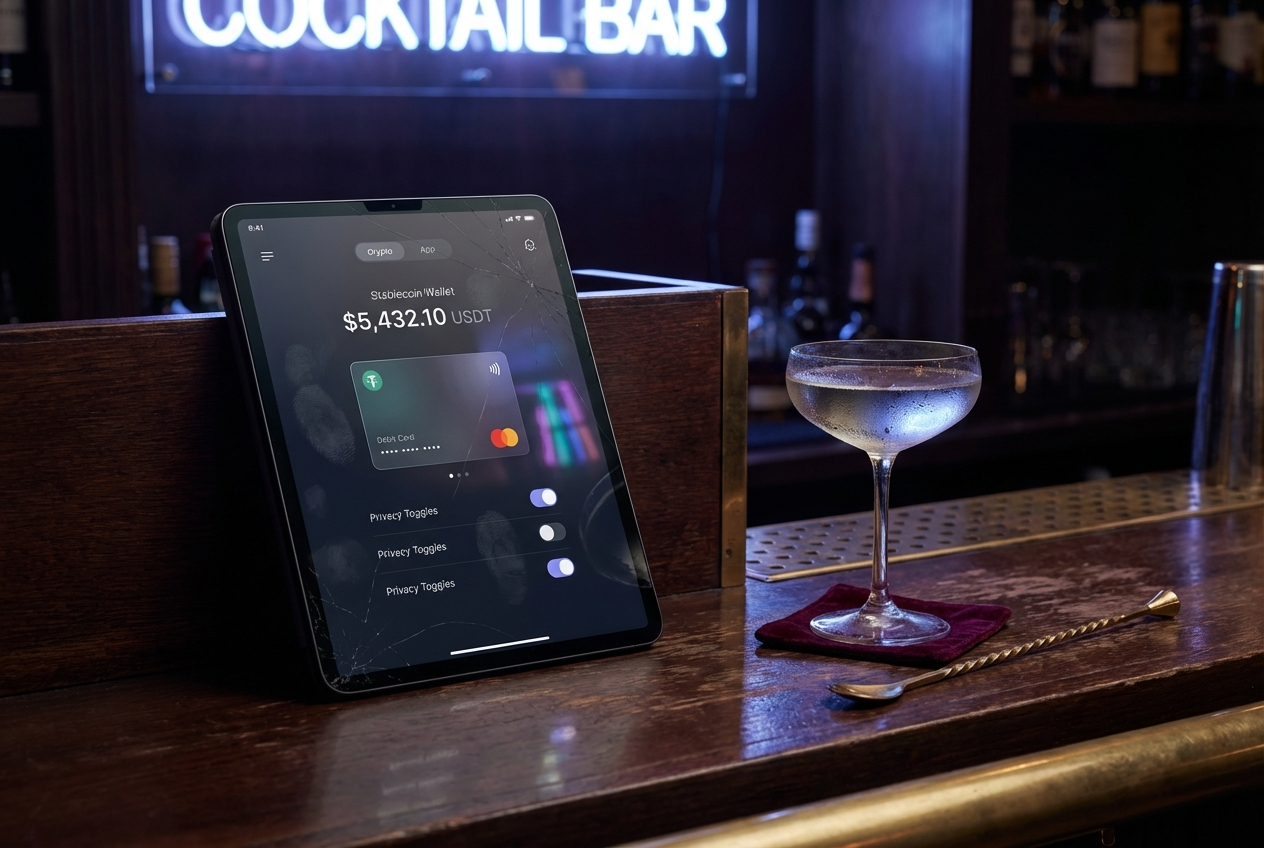
In the evolving landscape of cryptocurrency adoption, stablecoin cards stand out as a pragmatic solution for users prioritizing both cost efficiency and privacy. These instruments facilitate direct conversion from fiat to stablecoins like USDC or EURe, often with zero transaction fees, while preserving user control over funds. For privacy-conscious individuals, the appeal lies in self-custodial mechanisms that sidestep traditional custodial risks and excessive KYC demands. As of late 2025, platforms like Gnosis Pay and Payy Wallet exemplify this trend, offering Visa debit cards linked to stablecoins without the friction of intermediary custody.
Self-Custodial Stablecoin Cards: A Conservative Choice for On-Ramps
From a fundamental perspective, self-custodial stablecoin cards represent a maturation of on-ramp infrastructure. Unlike centralized exchanges that pool user funds, these cards maintain assets in personal wallets, such as Gnosis Safe. Gnosis Pay's debit card, for instance, supports EURe and GBPe with a modest $35 issuance fee but no ongoing transaction or foreign exchange charges. This structure aligns with risk-averse strategies, minimizing exposure to platform insolvency or regulatory overreach. Rewards in GNO tokens, scaling up to 5% cashback based on holdings, add a measured incentive without speculative allure.
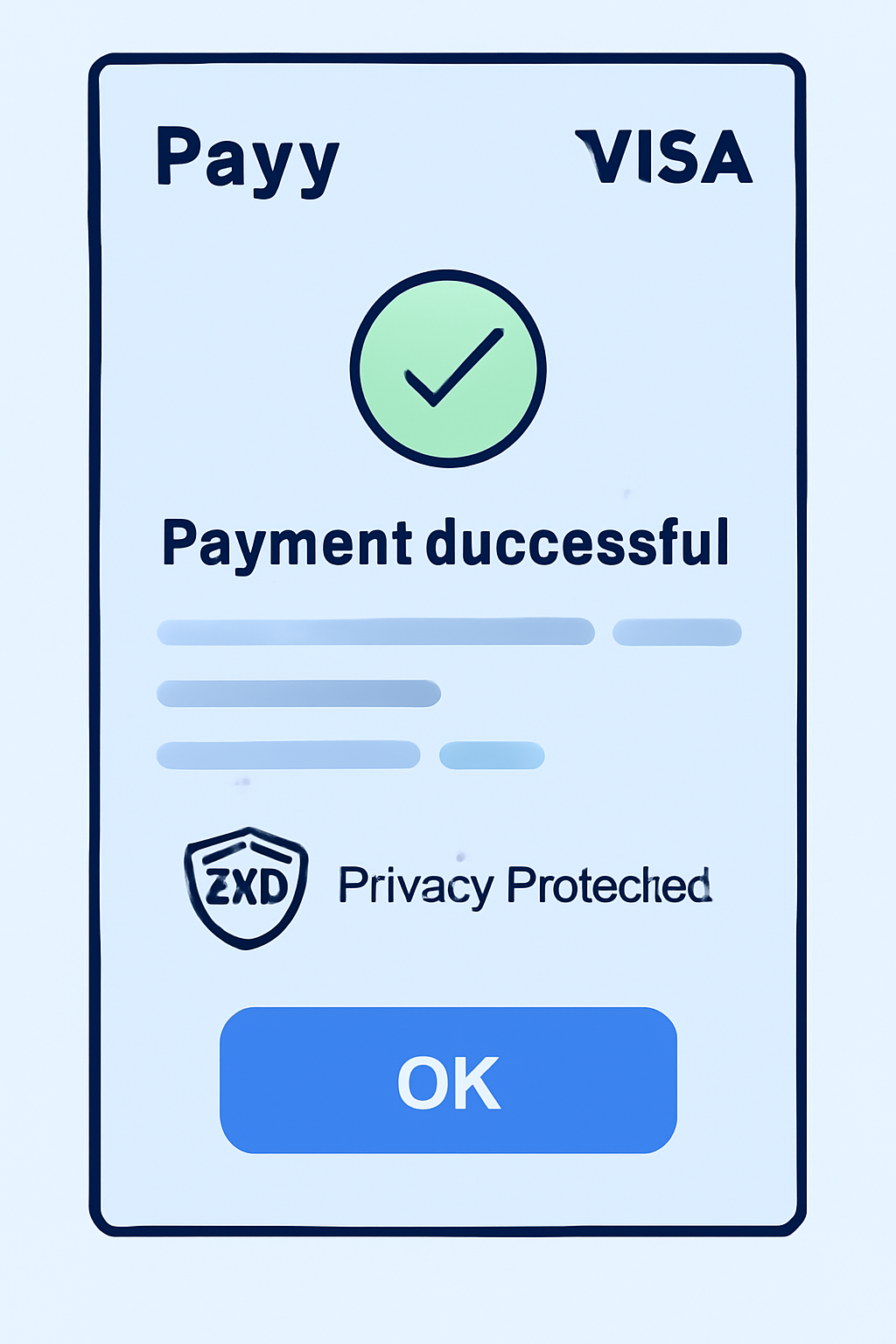
Similarly, Payy Wallet's Visa card leverages USDC globally, eliminating gas fees through optimized protocols. Its one-time $10 cashback serves as an entry enticement, but the core value resides in zero-knowledge proofs (ZKPs) that obscure transaction details. Such cryptographic primitives verify integrity without exposing metadata, a feature increasingly vital amid heightened surveillance.
Comparison of Stablecoin Cards: Gnosis Pay, Payy Wallet, and Aave Push
| Provider | Fees | Supported Stablecoins | Availability | Privacy Features |
|---|---|---|---|---|
| Gnosis Pay | $35 issuance fee; no transaction, foreign exchange, or off-ramping fees | EURe, GBPe | EEA & UK residents | Self-custody: Funds in user's Gnosis Safe wallet (no third-party involvement) |
| Payy Wallet | Zero gas fees for transactions | USDC | Global | ZK Proofs: Ensures transaction privacy and anonymity |
| Aave Push | Zero conversion fees | GHO & other crypto assets | EEA | Compliant, audited payment pathways for secure transactions |
Privacy Imperatives in Zero-Fee Stablecoin On-Ramps
Privacy in crypto on-ramps demands scrutiny beyond mere fee structures. Self-custody ensures private keys remain user-held, forestalling third-party access. Yet, regulatory compliance introduces nuances; services like Aave's Push, confined to the EEA, offer zero conversion fees for GHO but mandate audited pathways. This balance mitigates legal vulnerabilities while upholding transactional opacity.
KYC tiers warrant attention: minimal verification for low-volume use preserves anonymity better than full identity disclosure. In my view, grounded in two decades analyzing macroeconomic flows, these cards democratize access without the volatility pitfalls of native tokens. They bridge fiat stability to crypto utility, fostering sustainable adoption.
Evaluating Top Options for Private Stablecoin Debit Cards
Discriminating among stablecoin cards requires a methodical lens. Gnosis Pay suits EEA and UK residents valuing GNO ecosystem integration; its fee-free off-ramping reinforces on-ramp efficiency. Payy Wallet appeals globally with USDC focus and ZKP anonymity, ideal for anonymous fiat to USDC flows. Aave's service, though not a traditional card, provides fiat-to-GHO ramps compliant with MiCA regulations, emphasizing security over ubiquity.
Market data underscores their viability: sources like Quicknode and CoinGecko highlight low-fee fiat onramps with broad coverage. For 2025, these cards eclipse legacy providers like MoonPay in privacy metrics, though alternatives persist for non-custodial UX.
While these options excel in specific domains, a rigorous assessment reveals trade-offs inherent to each. Gnosis Pay's regional limitation to the EEA and UK, coupled with its GNO-linked rewards, suits investors already positioned in that ecosystem. Payy Wallet's global reach and ZKP integration position it as a frontrunner for private stablecoin debit card seekers, particularly those routing anonymous fiat to USDC. Aave's Push, emphasizing MiCA compliance, appeals to conservative users wary of regulatory gray areas, though its non-card format limits everyday spending versatility.
Risks and Mitigations: A Fundamentalist's Perspective
Conservative analysis demands acknowledgment of vulnerabilities. Issuance fees, like Gnosis Pay's $35 charge, represent upfront capital commitment; rewards mitigate this over time, yet demand GNO exposure. Gas fee elimination in Payy sounds ideal, but blockchain congestion could indirectly inflate costs via network priority. Privacy hinges on protocol robustness: ZKPs shield metadata effectively, as evidenced by arXiv research on their cryptographic soundness, but user error in wallet management remains the principal threat.
Regulatory flux poses macroeconomic headwinds. MiCA's EEA framework bolsters Aave's stability, yet global services like Payy navigate disparate jurisdictions, potentially inviting scrutiny. Tiered KYC, allowing low-volume anonymity, proves pragmatic; full eschewal risks service suspension. In my experience spanning bond and commodity cycles, such instruments thrive when paired with diversified holdings, avoiding over-reliance on single stablecoin pegs.
Compared to incumbents like MoonPay or Binance, cited in Token Metrics and Cryptonews rankings, stablecoin cards offer superior self-custody. MoonPay's non-custodial UX covers cards broadly, but lacks ZKP depth. CoinGecko notes zero local stablecoin fees on select crypto cards, yet foreign conversions at 0.5% erode edges. These cards, thus, carve a niche for zero fee stablecoin onramp purists.
Stablecoin cards streamline off-ramping too, often mirroring on-ramp fee profiles for bidirectional efficiency.Best Practices for 2025 Deployment
Operationalizing these cards requires discipline. Begin with wallet setup in a secure environment, funding via low-volatility channels. Test small transactions to verify ZKP opacity and fee absence. Monitor stablecoin reserves; EURe and USDC maintain robust audits, underpinning peg integrity amid macroeconomic pressures like interest rate shifts.
For EEA users, Gnosis Pay integrates seamlessly with Safe multisig, layering approvals for high-value spends. Global actors favor Payy for USDC liquidity, bridging to Visa acceptance worldwide. Always cross-reference availability: as Quicknode surveys affirm, geographic breadth correlates with on-ramp efficacy.
Zero-Fee Stablecoin Cards: Privacy-Preserving On-Ramp and Spending Guide

Market evolution favors these hybrids. Coincub and Bleap reviews position them against Coinbase and Transak, where custody and fees lag. By 2025, expect proliferation as privacy tech matures, per Alchemy's fiat onramp listings.
Strategic Integration with Off-Ramp Ecosystems
Zero-fee on-ramps gain potency when chained to off-ramp solutions. Platforms like anonofframp. com specialize in this continuum, offering stablecoin cards on-ramp paired with private off-ramps. Their services enable seamless fiat ingress via cards, then crypto egress without KYC friction, aligning with my thesis that fundamentals prioritize control and cost parity.
No-KYC stablecoin debit cards emerge as keystones here, extending privacy across the spectrum. Pair Gnosis Pay inflows with anonofframp's off-ramp tools for a fortified pipeline, resilient to volatility or policy shifts.
This framework empowers users to navigate crypto's fiat interfaces methodically. Self-custodial cards, fortified by ZKPs and zero fees, embody prudent innovation, sustaining adoption without speculative excess. For those managing digital assets amid uncertain macros, they offer a steady conduit.




No comments yet. Be the first to share your thoughts!