
Anon off ramp limits to account for
The primary challenge in an anon off ramp is that traditional banking rails require identity verification. When you move cryptocurrency from a private wallet to a centralized exchange or bank account, the transaction leaves the permissionless layer of the blockchain and enters a regulated environment. These intermediaries are legally obligated to implement Know Your Customer (KYC) and Anti-Money Laundering (AML) checks. Without them, the funds are typically frozen or returned.
This creates a bottleneck for users prioritizing privacy. The "off ramp" is the exit from the crypto ecosystem back into the fiat economy. While on-ramps allow you to buy crypto with dollars or euros, off-ramps are where the regulatory scrutiny intensifies. A standard off ramp means converting digital assets into spendable currency, but doing so anonymously is increasingly difficult due to the traceability of blockchain ledgers and the compliance requirements of financial institutions.
P2P and decentralized alternatives
Peer-to-peer (P2P) platforms offer a workaround by matching buyers and sellers directly. Some platforms facilitate cash-in-person exchanges or use escrow services that do not require full KYC for small volumes. However, these methods carry higher risks, including fraud and lack of consumer protection. Decentralized exchanges (DEXs) allow swaps between tokens without a central authority, but they do not directly convert crypto to fiat. To cash out, users must still find a counterparty willing to accept crypto without identity verification, often through niche OTC desks or local meetups.
The trade-off is clear: anonymity often comes with higher fees, slower settlement times, and increased security risks. As regulatory frameworks tighten globally, the availability of truly anon off ramp solutions continues to shrink. Users must weigh the value of privacy against the convenience and security of regulated financial services. For many, the solution lies in using privacy-focused coins or mixing services before converting, though this adds complexity and potential legal risks depending on jurisdiction.
Anon off ramp choices that change the plan
Choosing an anonymity-preserving exit strategy requires balancing privacy against practical friction. There is no single "best" method; the right choice depends on how quickly you need funds, the size of the transaction, and your tolerance for regulatory scrutiny. Below are the primary avenues for converting crypto to fiat without standard KYC, along with their specific limitations.
Peer-to-Peer (P2P) Exchanges
P2P platforms connect buyers and sellers directly, often allowing cash trades or bank transfers without mandatory identity verification for small volumes. This method offers high privacy but introduces counterparty risk. You must vet traders carefully, as scams are common. Settlement times vary, and you may face lower exchange rates to compensate for the lack of institutional oversight. It works best for moderate amounts where you can meet the buyer in person or verify their reputation history on the platform.
Crypto ATMs
Physical Bitcoin ATMs allow you to deposit cash or receive cash from crypto. Many operators do not require ID for transactions under a certain threshold (often $900–$1,000). This is the fastest way to get physical cash. However, fees are exceptionally high, frequently ranging from 10% to 20%. You also need to locate a machine that supports your specific coin and accepts cash withdrawals, which is not universal in all cities.
Decentralized Exchanges (DEX) to Fiat
You can swap your crypto for a stablecoin or privacy-focused coin on a DEX, then sell that token via a non-KYC P2P marketplace or a decentralized fiat gateway. This method keeps your on-chain activity less directly tied to your identity if you use privacy tools. The tradeoff is complexity: it requires multiple steps, higher gas fees during network congestion, and a deeper understanding of wallet management. It is less suitable for beginners due to the technical barrier.
Comparison of Anon Off-Ramp Methods
| Method | Privacy Level | Speed | Typical Fees | Best For |
|---|---|---|---|---|
| P2P In-Person | High | Variable (Hours/Days) | Low (5-10%) | Moderate amounts, cash preference |
| Crypto ATMs | Medium | Instant | High (10-20%) | Urgent small cash needs |
| DEX + P2P Gateway | Very High | Slow (Days) | Medium (Gas + Spread) | Tech-savvy users, large amounts |
| Method | Privacy | Speed | Fees | Best For |
|---|---|---|---|---|
| P2P In-Person | High | Variable (Hours/Days) | Low (5-10%) | Moderate amounts, cash preference |
| Crypto ATMs | Medium | Instant | High (10-20%) | Urgent small cash needs |
| DEX + P2P Gateway | Very High | Slow (Days) | Medium (Gas + Spread) | Tech-savvy users, large amounts |
Final Considerations
Before executing, consider the audit trail. Even "anon" methods leave digital footprints. Bank transfers to P2P buyers can be flagged by your bank if they recognize the counterparty. Crypto ATMs often log IP addresses and phone numbers for compliance. The most secure approach combines method choice with operational security: use a clean device, avoid linked accounts, and never reuse addresses. Evaluate these tradeoffs against your specific risk profile to choose the safest exit path.
Choose the next step
Anon Off Ramp works best as a clear sequence: define the constraint, compare the realistic options, test the tradeoff, and choose the path with the fewest hidden costs. That order keeps the advice usable instead of decorative. After each step, pause long enough to check whether the recommendation still fits the reader's actual situation. If it depends on perfect timing, unusual access, or a best-case budget, include a simpler fallback.


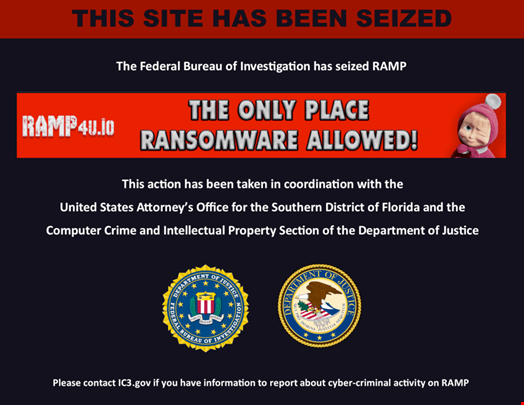
Spotting Weak Off-Ramp Options
Many services promise seamless cash-outs without identity checks, but the reality often involves hidden fees, frozen funds, or outright scams. When navigating the new regulatory landscape, distinguishing between legitimate privacy-preserving tools and weak options is critical for securing your assets. Below are common pitfalls to avoid.
P2P Platforms with No Escrow
Peer-to-peer trading can bypass central exchanges, but platforms that omit escrow services are high-risk. Without a neutral third party holding the crypto, you risk sending funds to a buyer who never releases the fiat. Always use P2P channels that enforce multi-signature escrow or reputation-based trust systems to ensure both parties fulfill their obligations.
"No-KYC" Exchanges with Vague Terms
Some exchanges advertise no-KYC onboarding but reserve the right to freeze accounts upon detecting suspicious activity. These platforms often lack transparent withdrawal limits or clear dispute resolution mechanisms. If a service does not explicitly define its compliance boundaries and reserve rights in its terms of service, it is likely a weak option that could leave your funds stranded.
Unregulated OTC Desks
Over-the-counter (OTC) desks can offer large-volume trades without KYC, but unregulated desks carry significant counterparty risk. Unlike regulated entities, they are not bound by fiduciary duties or insurance protections. Always verify the desk’s regulatory history and financial stability before transferring significant assets, as losses due to fraud or insolvency are rarely recoverable.
Anon off ramp: what to check next
Before choosing a method to cash out, it helps to understand the mechanics and the trade-offs involved in moving value between digital assets and traditional currency.
Understanding these distinctions helps you weigh the convenience of centralized exchanges against the privacy and control offered by decentralized or peer-to-peer alternatives.
No comments yet. Be the first to share your thoughts!