
In the evolving landscape of digital finance as of March 2026, StableChain USDT on-ramps stand out for enabling private fiat conversions through stablecoin cards. These tools address a core challenge for crypto users: bridging traditional banking with blockchain assets without compromising speed, security, or anonymity. With Visa's expansion into Solana and Ethereum-based settlements alongside U. S. banks, the infrastructure now supports seamless USDT transactions, reducing friction in everyday use.
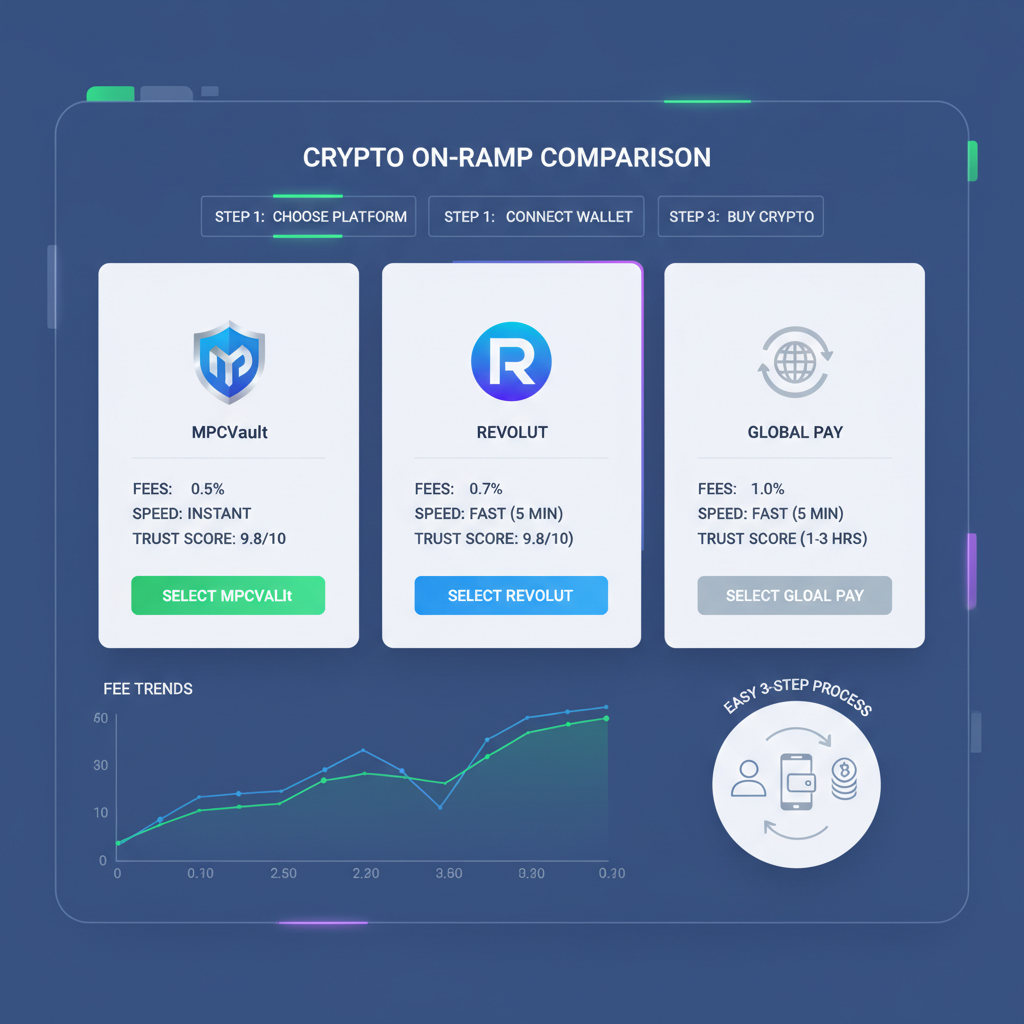
Investors and businesses increasingly rely on USDT for its pegged stability, backed by reserves that mirror cash equivalents. Platforms like MPCVault and SpherePay have refined this process, offering instant conversions that bypass traditional exchange delays. MPCVault's card, for instance, lets users spend USDT holdings at any Visa terminal, while SpherePay's embedded ramps handle compliance behind the scenes.
Visa Settlements and Blockchain Integration Drive Adoption
Visa's pivot to USDC settlements in 2023, now extended to USDT ecosystems, marks a pivotal shift. Late 2025 updates integrated U. S. bank rails with Solana and Ethereum, enabling near-instant fiat-to-USDT flows. This conservative approach prioritizes regulated gateways, as highlighted in Cryptoprocessing's trends for businesses, ensuring reliability over speculative speed.
From a portfolio strategist's view, this maturation mitigates unseen risks like settlement failures or depegging events. Stablecoin cards emerge as the practical endpoint, converting USDT directly to spendable fiat or card balances. Revolut's 1: 1 USD-USDT swaps exemplify transparent pricing, eliminating spreads that erode returns.

Key Platforms Enhancing Private USDT On-Ramps
Several providers dominate 2026's stablecoin on-ramp space, each tailoring solutions for privacy-focused users. Rain's API embeds compliant funding for USDT, supporting cross-border payouts without heavy KYC burdens. Maplerad's deposits and off-ramps for USDT streamline business inflows, settling instantly to fiat accounts.
Top 2026 Stablecoin Cards & On-Ramps
- MPCVault Card: Enables spending crypto holdings anywhere Visa is accepted; instant USDC/USDT off-ramping to bank accounts across major blockchains and fiat currencies. Business treasury streamlining with direct fiat transfers.

- SpherePay Embedded Ramp: Fully hosted fiat-to-stablecoin conversions including USDT; handles KYC, fiat rails, compliance for seamless on/off-ramps in seconds across currencies. Embedded solution minimizes infrastructure needs.

- Revolut USDT Swaps: 1:1 USD-to-USDT/USDC swaps with no spreads and transparent pricing; enhances user control in fiat-stablecoin conversions. Direct access without exchange intermediaries.
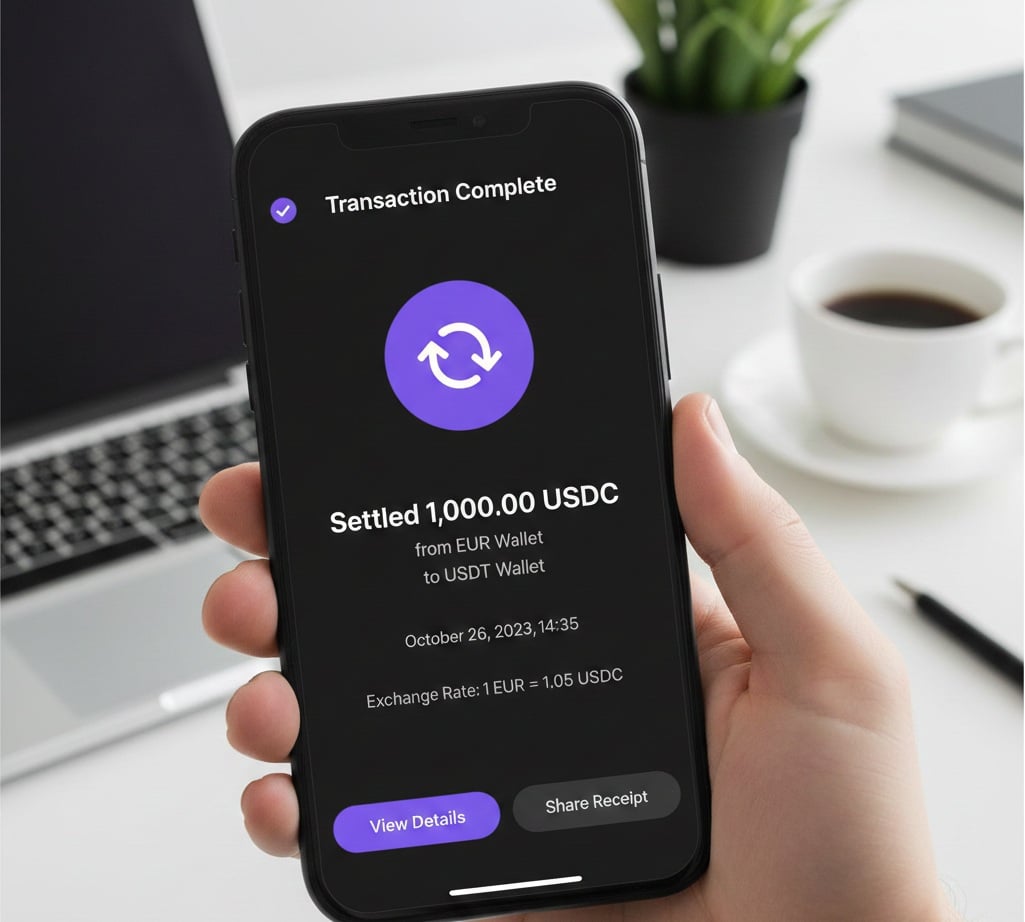
- Simplex Visa Off-Ramp: Sells USDT directly to Visa cards for instant EUR fiat; supports TRC20 USDT and BTC conversions. Simplifies crypto-to-fiat without traditional banking delays.

Simplex's off-ramp to Visa cards processes USDT (TRC20) in EUR seconds, ideal for European users. Franklin bypasses exchanges for direct stablecoin-to-USD ramps, accelerating payroll. TransFi's license-free API converts local fiat to USDT, expanding access for regional exchanges. These tools align with anonofframp. com's ethos of minimal-friction, secure conversions.
Privacy and Security in Stablecoin Card Conversions
Privacy remains paramount amid regulatory scrutiny. StableChain USDT on-ramps leverage MPC wallets and virtual accounts, as in Lumx's LATAM-focused API, to shield user data. Alchemy Chain's L1 blockchain promises low-cost, multi-fiat USDT transactions, reducing on-chain footprints.
Conservatively, I assess these against capital preservation: OSL's SFC-licensed platform insures fiat-to-crypto paths, while Circle's USDC backing sets a regulatory benchmark applicable to USDT peers. For users eyeing StableChain's innovations, the focus on native USDT handling minimizes intermediary risks. Stablecoin Insider's 2026 comparisons underscore pricing and settlement edges, with cards averaging under 1% fees for off-ramps.
Airwallex notes stablecoins' business payment edge, yet on-ramps like SpherePay prove superior for scaling without volatility exposure. As adoption grows, methodical selection of these private pathways safeguards portfolios against fiat inflation and crypto swings.
Evaluating these platforms requires a methodical lens, balancing fees, settlement times, and privacy safeguards. Stablecoin Insider's 2026 analysis reveals MPCVault leading with sub-1% off-ramp fees and Visa card integration, while Simplex edges out on speed for TRC20 USDT to EUR. Rain and TransFi excel in API flexibility for developers, minimizing KYC exposure through embedded flows.
Stablecoin and Major Crypto Price Stability Comparison (6 Months)
Performance of Tether (USDT) vs. other assets amid 2026 market conditions, highlighting peg stability for on-ramp contexts
| Asset | Current Price | 6 Months Ago | Price Change |
|---|---|---|---|
| Tether (USDT) | $1.00 | $0.9995 | +0.1% |
| Bitcoin (BTC) | $66,657.00 | $65,000.00 | +2.5% |
| Ethereum (ETH) | $1,965.87 | $1,800.00 | +9.2% |
| USD Coin (USDC) | $0.0216 | $1.00 | -97.8% |
| Dai (DAI) | $0.001038 | $1.00 | -99.9% |
| PayPal USD (PYUSD) | $1.00 | $1.00 | +0.0% |
| TrueUSD (TUSD) | $0.9980 | $1.00 | -0.2% |
| Ethena USDe (USDe) | $1.00 | $1.00 | +0.2% |
Analysis Summary
Tether (USDT) has held its $1 peg with minimal +0.1% change, outperforming depegged rivals like USDC (-97.8%) and DAI (-99.9%). BTC and ETH show moderate gains, underscoring USDT's reliability for 2026 on-ramp conversions.
Key Insights
- USDT maintains near-perfect stability (+0.1%), ideal for private fiat on-ramps.
- USDC and DAI suffer catastrophic depegs (-97.8% and -99.9%), highlighting risks in stablecoin selection.
- BTC (+2.5%) and ETH (+9.2%) reflect broader market growth.
- PYUSD, TUSD, and USDe remain stable around $1, but USDT leads in peg consistency.
Prices sourced exclusively from provided real-time CoinGecko data (last updated 2026-03-02). 6-month changes calculated from 2025-09-03 historical snapshots in USD.
Data Sources:
- Main Asset: https://www.coingecko.com/en/coins/tether/historical_data
- Bitcoin: https://www.coingecko.com/en/coins/bitcoin/historical_data
- Ethereum: https://www.coingecko.com/en/coins/ethereum/historical_data
- USD Coin: https://www.coingecko.com/en/coins/usd-coin/historical_data
- Dai: https://www.coingecko.com/en/coins/dai/historical_data
- PayPal USD: https://www.coingecko.com/en/coins/paypal-usd/historical_data
- TrueUSD: https://www.coingecko.com/en/coins/trueusd/historical_data
- Ethena USDe: https://www.coingecko.com/en/coins/ethena-usde/historical_data
Disclaimer: Cryptocurrency prices are highly volatile and subject to market fluctuations. The data presented is for informational purposes only and should not be considered as investment advice. Always do your own research before making investment decisions.
For businesses, Franklin's direct ramps cut payroll cycles from days to minutes, preserving capital in USDT until needed. This efficiency counters inflation risks, a key concern in my diversification strategy. Yet, not all platforms equally prioritize anonymity; SpherePay's hosted solution handles compliance opaquely, ideal for privacy advocates seeking private crypto fiat conversion.
Implementing StableChain USDT On-Ramps Securely
To harness these tools without introducing unseen risks, users must follow disciplined steps. Platforms like anonofframp. com integrate StableChain USDT for seamless execution, supporting USDT payments blockchain with native gas efficiency.
Private Fiat-to-USDT On-Ramp: Secure Stablecoin Card Guide 2026
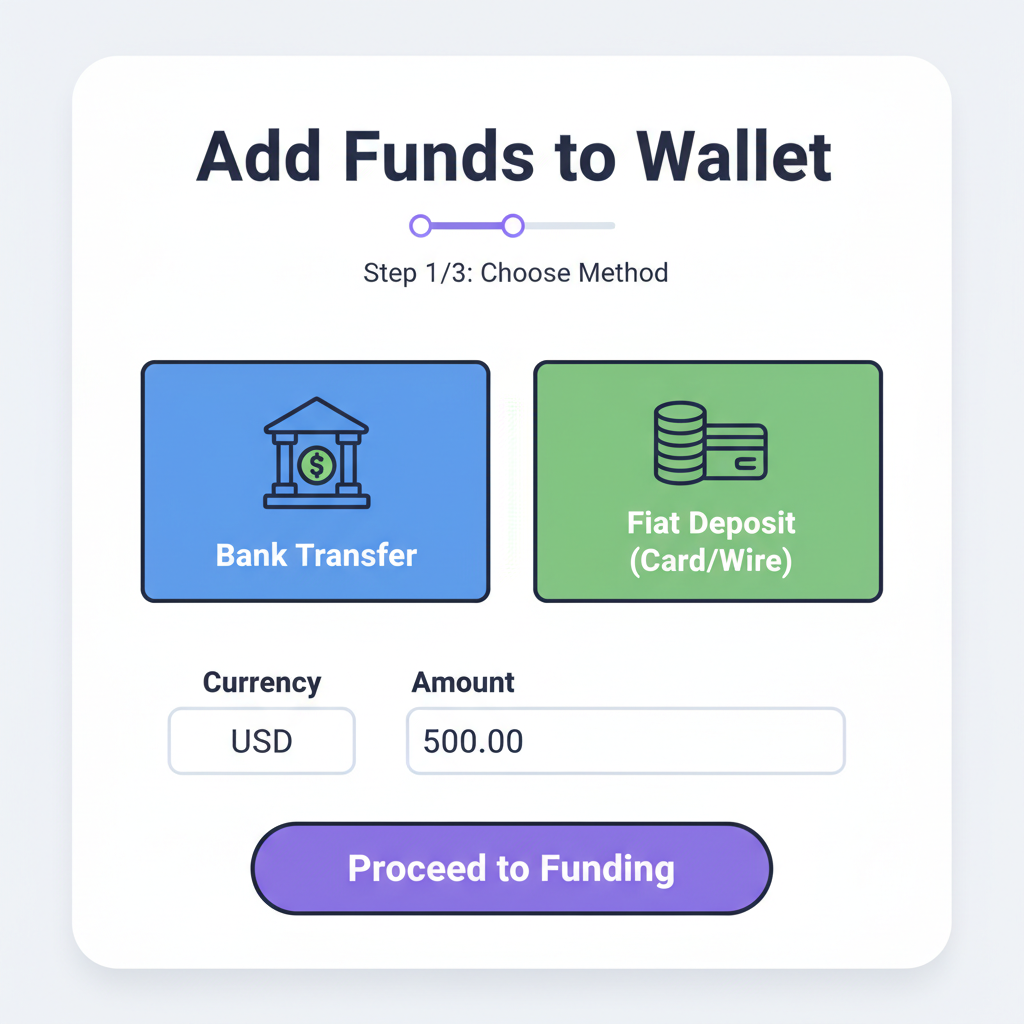
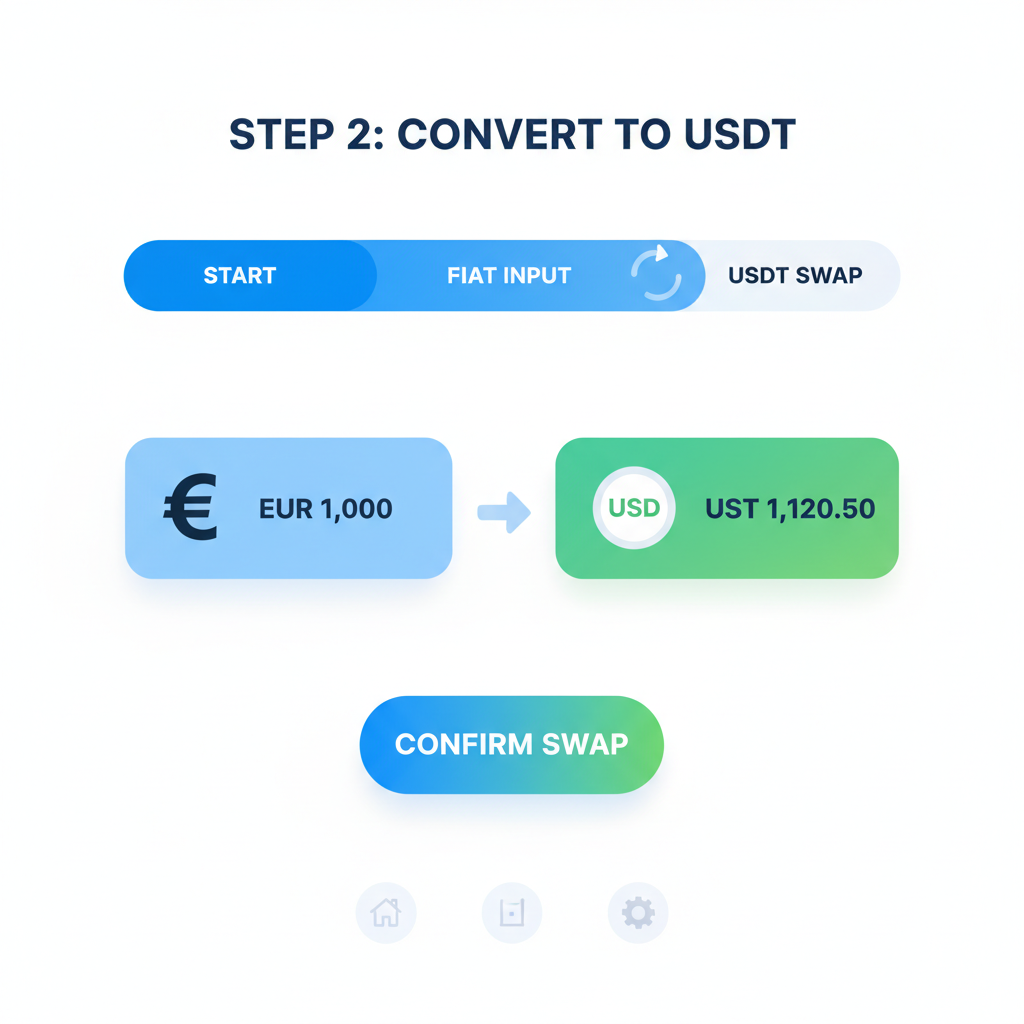
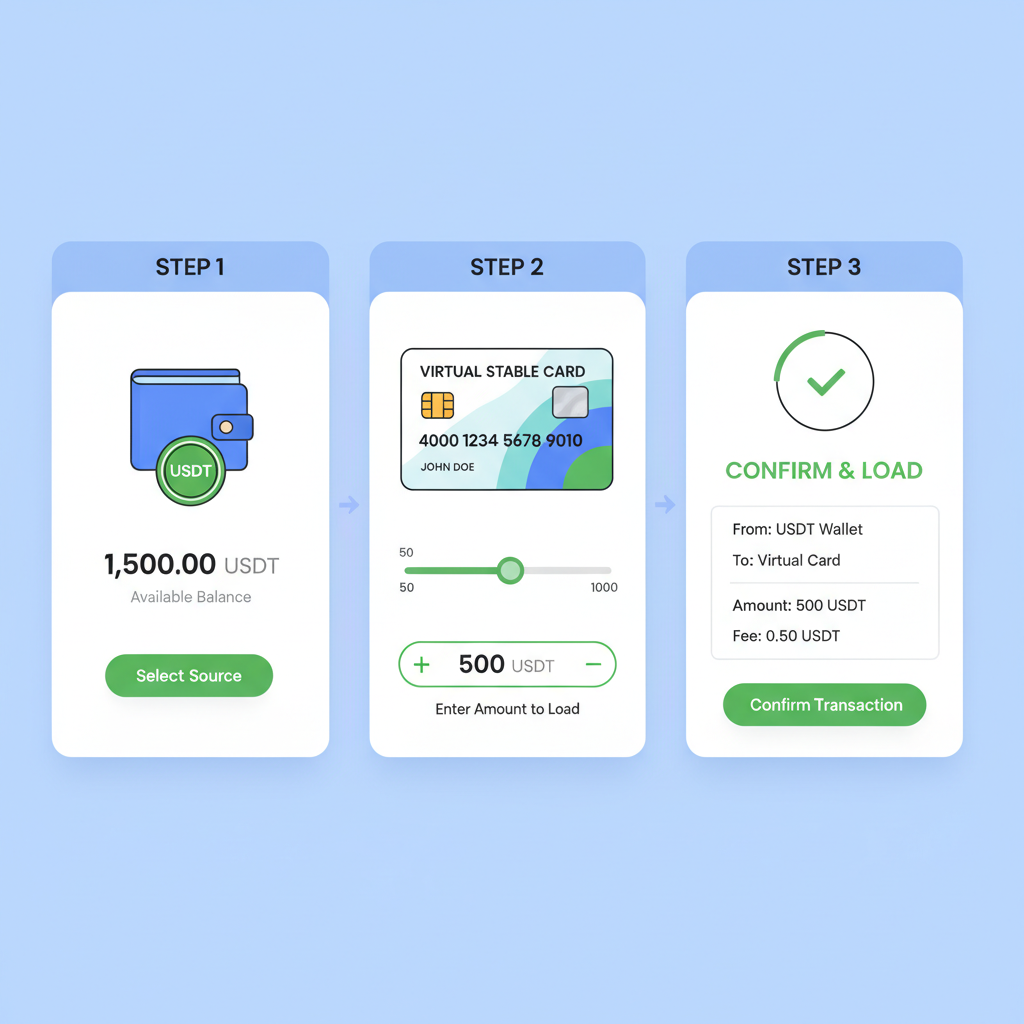
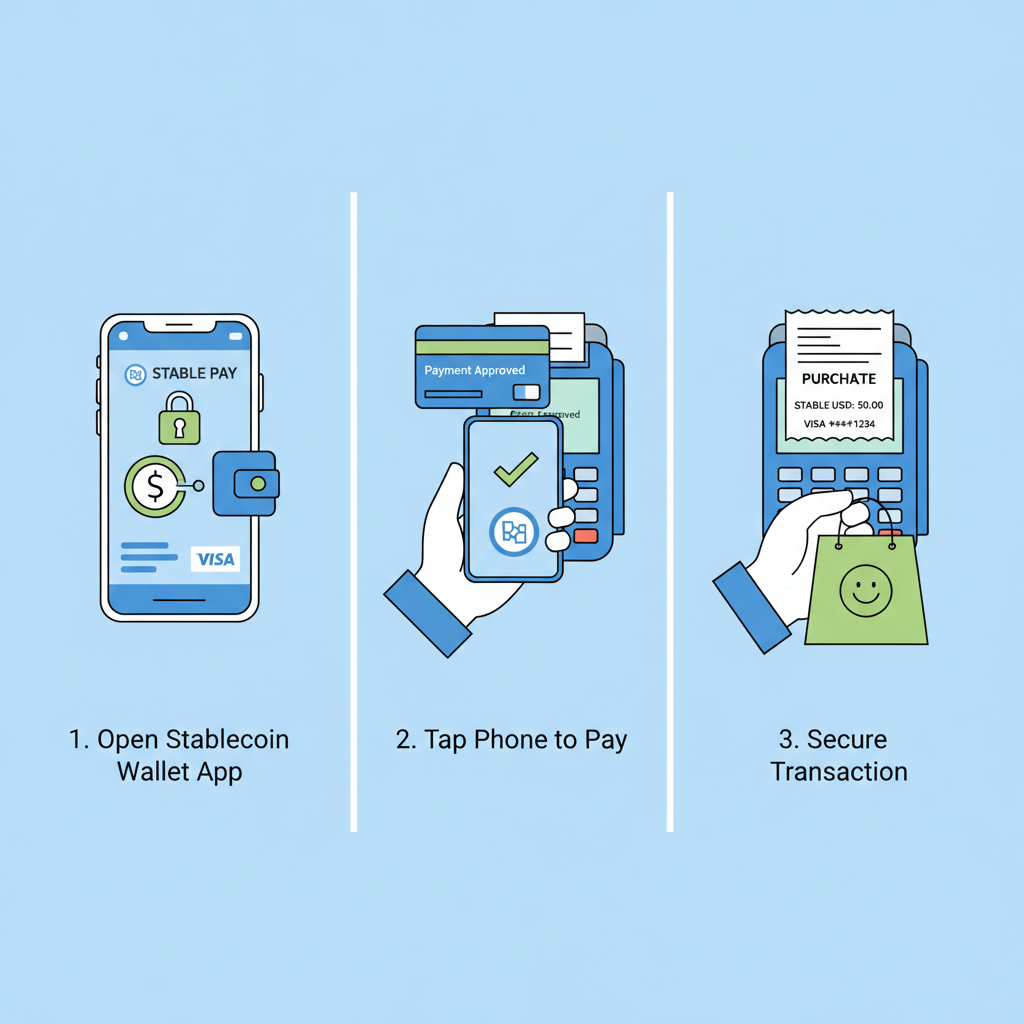
Maplerad's PYUSD and USDT support extends to instant fiat settlements, reducing volatility drag. Revolut's no-spread swaps provide a baseline for benchmarking, ensuring users retain full value during conversions. From a risk management perspective, diversifying across MPCVault cards and Rain APIs hedges against single-point failures.

Alchemy Pay's Chain underscores the shift to L1-native stablecoins, where USDT transactions settle in seconds across fiat corridors. This infrastructure bolsters stablecoin cards 2026 viability, as Visa's bank integrations eliminate legacy delays.
Risks and Mitigation in USDT Off-Ramps
Conservative investors note potential pitfalls: regulatory shifts or chain congestions. OSL's insured ramps mitigate these, while Circle's model influences USDT issuers toward transparency. Simplex's card off-ramps, though swift, demand vigilance on TRC20 liquidity. TransFi's fiat-to-USDT API sidesteps banking licenses, yet users should verify local compliance.
Lumx's LATAM focus highlights regional edges, with virtual accounts shielding B2B flows. Overall, fiat-to-stablecoin guides emphasize multi-platform strategies. Anonofframp. com's suite, including stablecoin cards, positions users ahead, converting USDT off-ramps into portfolio stabilizers.
Stripe's stablecoin charter pursuit signals institutional convergence, yet private on-ramps like StableChain preserve user control. Businesses scaling payments via Airwallex alternatives find USDT superior for cross-border certainty. Methodically, allocate 10-20% of digital holdings to card-enabled USDT for liquidity, preserving capital amid uncertainties.
As 2026 unfolds, these advancements cement stablecoin cards as indispensable, blending blockchain precision with fiat pragmatism. Portfolio resilience demands their adoption, turning theoretical privacy into practical advantage.




No comments yet. Be the first to share your thoughts!