

In the evolving landscape of cryptocurrency adoption, stablecoin cards are emerging as a game-changer for private crypto-to-fiat conversions. Visa's recent expansion with Stripe-owned Bridge promises a global rollout of stablecoin cards to over 100 countries by the end of 2026, building on their current presence in 18 nations. This move bridges the gap between digital assets and everyday spending, offering seamless crypto on-ramp cards and fiat off-ramp stablecoins without the usual friction of traditional banking.
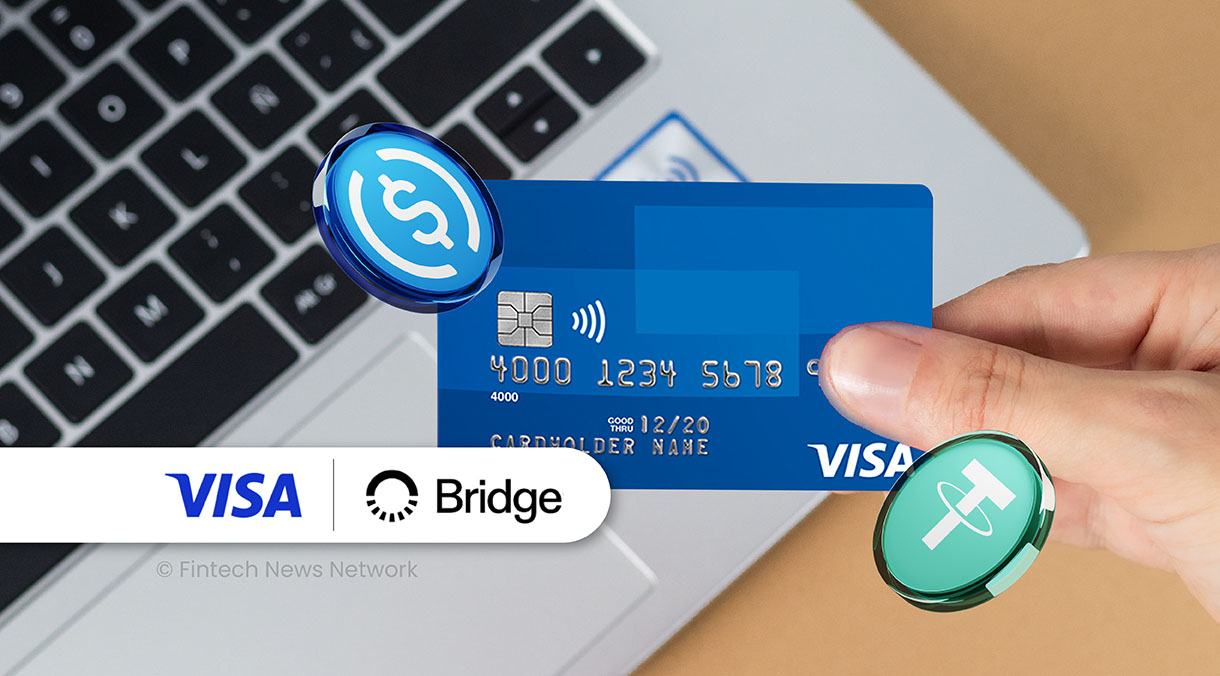
Launched initially in Latin America in April 2025, these Visa Stripe stablecoin cards 2026 enable users to tap their stablecoin balances at Visa's vast network of 175 million merchants worldwide. Partnering with Lead Bank, transactions settle on-chain directly with Visa, blending blockchain efficiency with card convenience. Visa's stablecoin settlement pilot has already hit an annualized run rate of $4.6 billion as of December 2025, signaling robust momentum.
Bridge and Visa Forge a Pathway for Borderless Crypto Spending
The collaboration between Visa and Bridge, acquired by Stripe in 2025, represents a strategic pivot toward integrating stablecoins into mainstream payments. Bridge provides the infrastructure to issue private stablecoin debit cards, allowing businesses and individuals to convert crypto holdings into spendable fiat equivalents instantly. This is particularly transformative for cross-border payments, where Stripe highlights stablecoins' potential to accelerate international cash flows.
Currently live in regions spanning Europe, Asia Pacific, Africa, and the Middle East, the program addresses key pain points in crypto usability. Traditional on-ramps often demand extensive KYC processes, exposing users to privacy risks. In contrast, these cards prioritize speed and discretion, aligning perfectly with the needs of privacy advocates navigating the crypto ecosystem.
Unlocking Anonymous Crypto Spending Through On-Chain Settlements
What sets these anonymous crypto spending solutions apart is their on-chain settlement mechanism. When you swipe a Bridge-enabled Visa card, the transaction converts stablecoins like USDC or USDT into fiat at the point of sale, settling almost instantaneously via Visa's network. This eliminates multi-day clearing times and reduces counterparty risks inherent in legacy systems.
From a strategic perspective, this rollout enhances portfolio liquidity. Crypto holders can now maintain exposure to stable assets while accessing real-world utility, effectively creating fluid fiat off-ramp stablecoins. For instance, a trader in Asia could off-ramp BTC to stablecoins, load a card, and spend at a European merchant without currency conversion headaches or high fees.

The $4.6 billion run rate underscores growing institutional trust. Visa's pilot demonstrates scalable infrastructure, where stablecoin volumes rival traditional rails in select corridors. This isn't mere hype; it's a deliberate step toward embedding crypto in global commerce.
Strategic Implications for On-Ramp Efficiency in Emerging Markets
Expansion into over 100 countries targets high-growth areas like Asia Pacific and Africa, where remittance costs and banking access remain barriers. Stablecoin cards lower these hurdles, offering near-instant on-ramps for unbanked populations. Users fund cards via wallet transfers, bypassing slow ACH or wire systems.
Consider the privacy angle: by leveraging non-custodial stablecoins, these cards minimize data trails compared to centralized exchanges. This resonates with users prioritizing sovereignty over their funds. Platforms like anonofframp. com amplify this by providing tailored stablecoin card solutions, ensuring secure, anonymous transitions.
Early adopters report transaction speeds under 10 seconds, with fees fractions of traditional cards. As rollout accelerates, expect wider stablecoin support, potentially including yield-bearing variants for passive returns on loaded balances.
Yet this innovation demands vigilance. Regulatory scrutiny looms as stablecoin volumes swell, with governments eyeing oversight to curb illicit flows. Investors should monitor frameworks like the EU's MiCA or U. S. clarity on dollar-pegged assets, as compliance could alter card issuance dynamics. Diversifying across providers mitigates single-point failures, ensuring resilient on-ramps amid volatility.
Comparative Edge: Stablecoin Cards Versus Legacy Payment Rails
Strategic minds weigh options methodically. Private stablecoin debit cards outpace traditional debit cards in key metrics, from settlement velocity to cost efficiency. Where banks impose 1-3% forex fees on cross-border swipes, stablecoin conversions hover below 0.5%, preserving capital for high-frequency users.
Stablecoin Cards vs. Traditional Debit Cards
| Feature | Stablecoin Cards | Traditional Cards |
|---|---|---|
| Settlement Time | Seconds (on-chain) | Days |
| Fees | 0.5% | 2-3% |
| Privacy | High (minimal KYC) | Full identity required |
| Global Reach | 175M Visa merchants | Network limits |
| On-chain Transparency | Yes | Opaque |
This table illuminates the pivot point. For portfolio managers, the real alpha lies in liquidity arbitrage: load cards during stablecoin dips, spend during fiat strength. Anonofframp. com exemplifies this edge, streamlining instant crypto-to-fiat off-ramping with privacy-first protocols.
Bridge's infrastructure further empowers businesses. Issuers can white-label Visa cards backed by USDC reserves, settling via Visa's on-chain rails. This democratizes issuance, letting fintechs in emerging markets compete without building from scratch.
Privacy-Preserving Strategies for Crypto Holders
Privacy isn't optional; it's foundational. Anonymous crypto spending thrives on layered approaches: use hardware wallets for funding, rotate card addresses, and pair with mixers where legal. Visa's tokenized cards add obfuscation, masking spend patterns from chain analysts.
Thoughtfully, integrate these into broader tactics. Allocate 10-20% of crypto portfolios to card-ready stablecoins, hedging against BTC drawdowns while enabling opportunistic spends. For nomads, this means funding lifestyles from DeFi yields without bank intermediaries.
The 2026 rollout timeline aligns with macroeconomic shifts. As inflation erodes fiat, stablecoins anchor purchasing power, with Visa's $4.6 billion run rate validating demand. Early movers in Asia Pacific, where remittances exceed $300 billion annually, stand to capture outsized gains.
Institutions aren't sidelined. Treasuries can park idle cash in yield-bearing stablecoins, issuing corporate cards for expense management. This fuses DeFi returns with Visa ubiquity, a hybrid model reshaping corporate finance.
Challenges persist: oracle risks in price feeds could trigger slippage, though Visa's pilots show sub-1% deviations. Scalability tests await as volumes surge toward trillions. Yet the trajectory is clear: crypto on-ramp cards evolve from niche to necessity.
Position accordingly. Platforms like anonofframp. com offer the toolkit: load, spend, repeat with strategic foresight. As Bridge and Visa redefine borders, those blending crypto utility with disciplined execution will thrive in this borderless era.




No comments yet. Be the first to share your thoughts!