
Get the anon off ramp 2026 right
Before you begin the exit process, you must establish a clean operational baseline. Attempting to leave an anonymous network without first securing your primary identity creates a dangerous overlap. The goal is to ensure that your real-world identity and your anonymous activity never intersect in the same digital or physical space.
Secure your primary digital identity
Start by hardening your main email, social media, and financial accounts. Use a password manager to generate unique, complex passwords for every service. Enable multi-factor authentication (MFA) using an authenticator app, not SMS, which is vulnerable to SIM swapping. This step ensures that if your primary identity is compromised, it does not automatically expose your anonymous activities.
Isolate your anonymous environment
Your anonymous browsing must occur on a separate device or a strictly isolated virtual machine. Do not use your personal laptop for anonymous activities. If you must use a single device, use a separate browser profile with no shared cookies, history, or extensions. Never log into your primary accounts while anonymous, and never access your anonymous accounts from your primary device.
Prepare a clean exit strategy
Plan your exit route before you disconnect. Decide on a new identity or method of communication that does not reference your old anonymous handles. Ensure that any cryptocurrency wallets used for anonymous activities are fully drained or abandoned, and never reuse addresses. This prevents future links between your old and new digital footprints.
Verify your separation
Before fully disconnecting, perform a self-audit. Search for your old anonymous usernames on public search engines and data broker sites. If found, request removal or let them expire. Ensure that no metadata from your anonymous activities (such as photos or documents) contains your personal information. This final check reduces the risk of accidental exposure during the transition.
Work through the steps
Exiting an anonymous network requires a structured approach to minimize digital footprint. The "anon off ramp" process involves transitioning from anonymous activity to a verified, traceable identity or secure exit point without alerting monitoring systems or leaving residual data. This guide outlines the sequential actions needed to execute a clean exit.

Before initiating any exit protocol, identify all active sessions, open tabs, and background processes linked to the anonymous identity. Disconnect from any persistent tunnels or proxies. This step prevents accidental data leakage during the transition phase. Verify that no local caches or temporary files retain session tokens or browsing history associated with the anonymous network.

Secure any necessary data by exporting it to encrypted, offline storage if required. Once secured, permanently delete local artifacts, including browser history, cookies, and temporary files. Use secure deletion tools that overwrite data sectors to prevent recovery. This ensures that no residual digital trace remains on the local device that could be linked back to the anonymous activity.

Initiate the transition to a verified identity or a secure, non-anonymous network. This may involve logging into a personal account, switching to a trusted Wi-Fi network, or using a verified communication channel. Ensure that the transition is gradual to avoid sudden spikes in activity that might trigger security alerts. Maintain operational security by avoiding the simultaneous use of anonymous and verified identities.

After completing the exit, monitor for any unexpected anomalies or security alerts. Check for signs of attempted reconnection to the anonymous network or unauthorized access attempts. Verify that all previous connections have been fully terminated. This final check ensures that the exit was successful and that no digital traces remain that could compromise your security or privacy.
Common Mistakes in Exiting Anonymous Networks
Exiting an anonymous network is a high-stakes operation where small oversights can compromise your entire identity. Most failures occur not from sophisticated countermeasures, but from basic hygiene errors during the transition period. These mistakes leave digital fingerprints that link your old pseudonymous activity to your real-world identity.
Leaving Metadata Behind
The most frequent error is assuming that deleting accounts removes all traces. Metadata—timestamps, IP logs, and device fingerprints—often persists in backups, server logs, or cached data. When you exit, you must explicitly request data deletion under applicable privacy laws (such as GDPR or CCPA) rather than relying on automated account closure. Failing to secure these records leaves a bridge between your anonymous past and your current identity.
Mixing Identity Contexts
Another critical mistake is using the same device or browser profile for both your anonymous history and your new, identified life. Even after logging out, residual cookies, cache, and local storage can reveal your previous identity. Always use a fresh, clean environment for your exit process. Do not log into your primary email or social media on the same machine until you have verified that all anonymous sessions are fully terminated and purged.
Ignoring Financial Trails
Cryptocurrency and digital payment links are often overlooked. If you used anonymous coins or mixed services, failing to properly sever the link between your exchange accounts and your wallet addresses creates a direct audit trail. Conduct a full blockchain analysis of your outgoing transactions before moving funds to a traditional bank account. Skipping this step can result in frozen assets or flagged accounts, drawing unwanted attention from financial regulators.
Anon off ramp 2026: what to check next
Addressing practical concerns before you disconnect is essential. This section covers the most common objections and technical hurdles readers face when executing a safe exit from anonymous networks.
Helpful gear
Use these product recommendations as a starting point, then choose the size, material, and price point that fit how you actually use the gear.
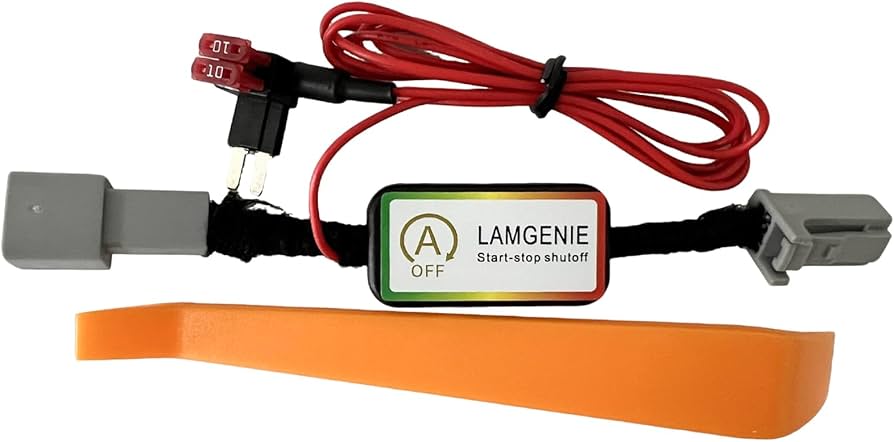

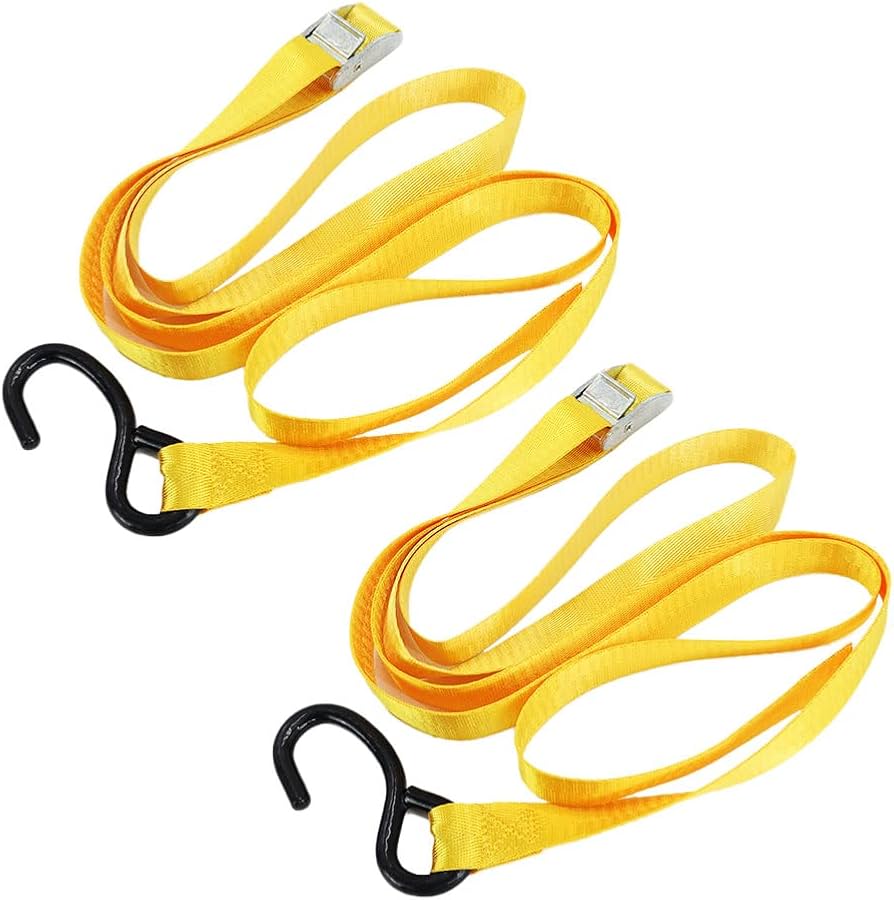
As an Amazon Associate, we may earn from qualifying purchases.
No comments yet. Be the first to share your thoughts!