
Defining the anon off ramp 2026 landscape
The term "anon off ramp" describes the specific process of converting privacy coins—such as Monero, Zcash, or Dash—into fiat currency or regulated stablecoins while navigating an increasingly hostile regulatory environment. Unlike standard cryptocurrency exits, which often involve transparent public ledgers, privacy coin liquidation requires deliberate steps to obscure transaction histories and comply with emerging 2026 anti-money laundering (AML) frameworks. This distinction is critical for high-stakes investors who must avoid the pitfalls of non-compliant exchanges and frozen assets.
In 2026, the regulatory landscape has shifted from ambiguous guidance to explicit enforcement. Financial Action Task Force (FATF) recommendations now mandate stricter "travel rule" compliance for virtual asset service providers (VASPs). This means that traditional on-ramps and off-ramps are actively screening for privacy coin deposits and withdrawals. Attempting to use standard centralized exchanges for these assets often results in immediate account freezes, as these platforms prioritize regulatory safety over user liquidity.
The stakes of this transition are significantly higher than those of standard crypto exits. A failed off-ramp attempt can lead to permanent loss of funds, legal scrutiny, or inclusion in de-risking databases. Investors must therefore approach the anon off ramp not as a simple trade, but as a structured financial compliance procedure. This requires selecting intermediaries that understand privacy coin nuances and employing strategies that maintain operational security without violating jurisdictional laws.
Understanding this landscape is the first step in securing your exit. By recognizing the unique challenges of privacy coin liquidation, you can better prepare for the technical and legal complexities that lie ahead. The following sections will detail the specific strategies and tools available for a secure and compliant off-ramp in the current regulatory climate.
Mixer compliance and regulatory risks
Privacy coins and decentralized mixers operate in a legal gray area that is rapidly becoming black. Regulators in the United States and Europe have moved from monitoring to active enforcement, targeting the infrastructure that facilitates anonymous transactions. If you are planning to exit privacy coins in 2026, understanding these regulatory shifts is not optional—it is the primary determinant of whether your funds remain accessible or become frozen.
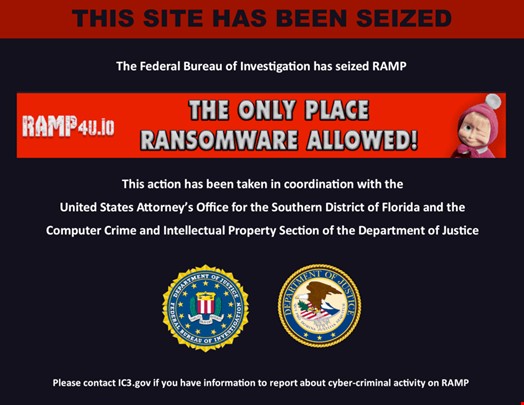
The Financial Crimes Enforcement Network (FinCEN) has long classified mixers as Money Services Businesses (MSBs). This classification requires strict adherence to the Bank Secrecy Act, including Anti-Money Laundering (AML) and Know Your Customer (KYC) protocols. When mixers fail to implement these controls, they risk severe penalties. The Department of Justice’s seizure of Tornado Cash protocols serves as a stark precedent: the infrastructure itself can be sanctioned, effectively blacklisting the smart contracts and cutting off user access to deposited funds.
OFAC’s role has expanded significantly. The Office of Foreign Assets Control maintains a Specially Designated Nationals (SDN) list that includes specific cryptocurrency addresses and protocols associated with illicit activity. Privacy coins often attract scrutiny because their transaction histories are opaque, making it difficult for exchanges and compliance officers to verify the source of funds. If a mixer or privacy coin protocol is added to the SDN list, any interaction with it becomes a violation for U.S. persons and entities, and most centralized exchanges will immediately freeze any assets linked to those addresses.
The risk of frozen funds is not theoretical. Centralized exchanges (CEXs) are under immense pressure to comply with these regulations. If you deposit privacy coins or funds that have passed through a mixer, the exchange’s compliance team may flag the transaction. In many cases, they will not return the funds until you provide a detailed audit trail proving the funds are clean. For privacy coins, this is often impossible. The result is a total loss of liquidity. You must assume that any attempt to off-ramp without a clear, compliant trail will result in a frozen account.
To mitigate this risk, you must treat compliance as a first-class citizen in your exit strategy. This means avoiding mixers that lack clear regulatory standing and ensuring that any privacy-preserving steps are taken before the funds reach a regulated entity. The cost of compliance—whether in fees or time—is far lower than the cost of lost capital. Always verify the current regulatory status of the protocols you use, as sanctions lists change frequently.
Analyze exit liquidity and volatility risks
Privacy coins like Monero (XMR) and Zcash (ZEC) face distinct structural challenges when moving from private chains to fiat off-ramps. Unlike transparent ledgers, the lack of on-chain visibility for transaction origins can trigger enhanced due diligence flags at regulated exchanges. This friction creates a liquidity gap that widens significantly during periods of market stress, potentially trapping assets or forcing unfavorable pricing.
Understanding the depth of the order book is essential for timing your exit. Low liquidity pools often exhibit high slippage, meaning large sell orders can disproportionately impact the final execution price. During volatile market conditions, this effect is amplified as market makers widen spreads to protect against adverse selection. The result is a higher cost of capital for those attempting to convert private assets into traditional currency.
To visualize these dynamics, the following chart tracks the price action and volume depth of Monero against the US Dollar. This data highlights how liquidity conditions shift in real-time, providing a concrete reference for identifying optimal exit windows.

Compliance risk further complicates the liquidity landscape. Regulatory bodies increasingly scrutinize transactions involving privacy-focused assets, leading to potential account freezes or delays in withdrawal processing. This regulatory uncertainty acts as a hidden tax on liquidity, as users must account for potential hold periods when planning their financial exits. Staying informed on current regulatory stances in your jurisdiction is critical to mitigating these operational risks.
Secure conversion workflow
Executing a privacy coin off-ramp requires precision. A single error in wallet hygiene or exchange selection can result in frozen funds or regulatory scrutiny. The following workflow outlines the standard procedure for converting private assets into fiat or transparent cryptocurrencies while maintaining compliance.

Before any transaction, ensure your source wallet is free of mixed or tainted funds. Use a blockchain explorer to trace the history of your privacy coins. If the funds have interacted with known high-risk addresses or mixers, consider using a reputable tumbling service or splitting the transaction to obscure the trail before moving to a regulated exchange. A clean history reduces the likelihood of account freezes.

Not all exchanges accept privacy coins like Monero (XMR) or Zcash (ZEC). Check the supported asset list of your chosen fiat on-ramp. Major regulated exchanges often require full KYC (Know Your Customer) verification. Ensure your identity documents are ready and that your account is fully verified to prevent delays during the withdrawal phase. Failure to pre-verify can lock funds in limbo for days.
Avoid moving large sums in a single transaction. Break the conversion into smaller, spaced-out transfers. This reduces the digital footprint and mimics natural trading behavior. When converting to a transparent coin like Bitcoin or Ethereum, use a fresh deposit address for each transfer to prevent linkability between your source and destination wallets.

Initiate the transfer during low-traffic periods to minimize network congestion and fees. Monitor the transaction status on the blockchain explorer. Once the funds arrive at the exchange, execute the trade immediately to avoid price volatility. Keep records of all transaction hashes and timestamps for tax and compliance reporting.

Once the conversion is complete, withdraw the fiat currency to your linked bank account. Ensure the bank account name matches the verified identity on the exchange. Some banks may flag large or unusual deposits; pre-notifying your bank or withdrawing in smaller increments can prevent account holds.
Compare exchange and OTC options
Choosing the right off-ramp channel depends on your transaction volume, regulatory environment, and urgency. Centralized exchanges (CEXs) offer speed and liquidity but enforce strict Know Your Customer (KYC) protocols. Decentralized exchanges (DEXs) provide higher privacy but often suffer from lower liquidity and higher slippage for large orders. Over-the-counter (OTC) desks are designed for high-net-worth individuals, offering personalized service and negotiated rates at the cost of higher fees and longer settlement times.
The following table compares the primary characteristics of these off-ramp methods. Use this data to align your exit strategy with your compliance requirements and capital size.
| Method | KYC Required | Privacy Level | Min. Deposit | Settlement Speed |
|---|---|---|---|---|
| Centralized Exchange (CEX) | Yes | Low | Low | Fast |
| Decentralized Exchange (DEX) | No | High | Medium | Medium |
| OTC Desk | Yes | Medium | High | Variable |
For most users, the trade-off is between convenience and anonymity. CEXs are the standard for retail investors due to their user-friendly interfaces and rapid fiat withdrawal capabilities. However, they maintain detailed records of all transactions, which may be subject to regulatory reporting. DEXs allow for non-custodial trading, reducing the risk of exchange insolvency, but require the user to manage their own security and navigate potentially complex interfaces. OTC desks are essential for institutional players or high-volume traders who need to move significant capital without impacting market prices, offering a direct line to liquidity providers.
Frequently asked questions on privacy exits
Navigating the exit from privacy coins requires strict adherence to regulatory frameworks. This section addresses common concerns regarding legality, tax compliance, and technical safety to ensure a secure off-ramp.
No comments yet. Be the first to share your thoughts!