

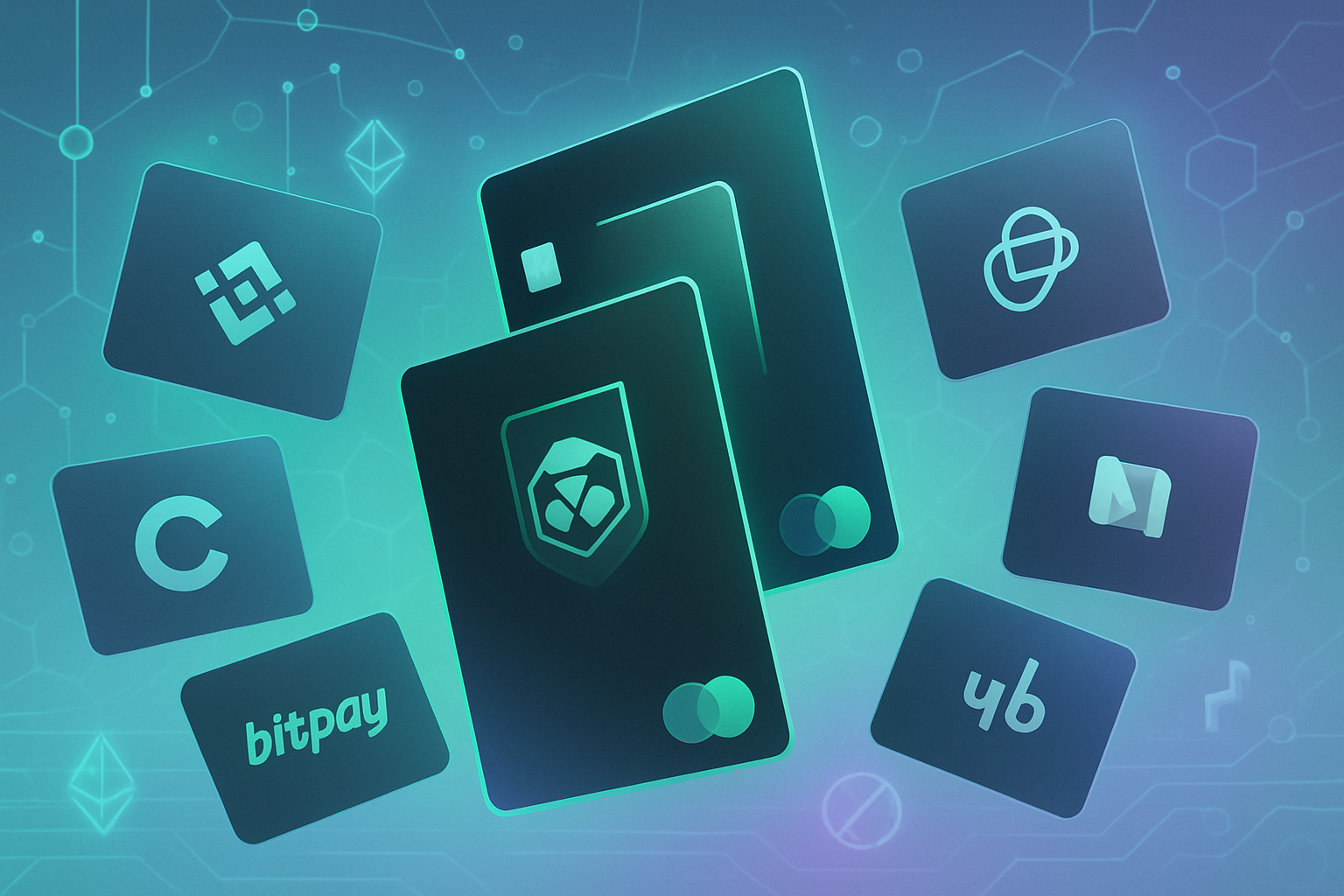
Stablecoin cards are rapidly redefining the way crypto users interact with traditional payments, making it possible to spend digital assets as effortlessly as swiping a debit card at the grocery store. These cards, leveraging the global reach of Mastercard and Visa networks, bridge the gap between decentralized finance and everyday commerce. But how do they actually work, and what makes them so powerful for privacy-conscious users?

The Mechanics Behind Stablecoin Cards
At their core, stablecoin cards allow you to fund an account with stablecoins such as USDT or USDC, then spend those assets anywhere Visa or Mastercard is accepted. The process is engineered for minimal friction:
- Funding: Transfer your stablecoins from your crypto wallet directly to your card’s associated account. Some providers support multi-chain deposits for added flexibility.
- Conversion: When you make a purchase, your stablecoins are automatically converted into local fiat currency at the point of sale. Merchants receive payment in their preferred currency without ever touching crypto.
- Global Acceptance: Because these cards ride on established payment rails (Visa, Mastercard), you can use them at millions of merchants worldwide, no special arrangements required.
This seamless experience is what sets stablecoin cards apart from legacy crypto debit cards that often required pre-conversion to fiat or cumbersome manual steps. Now, instant spending is not only possible but routine.
Why Stablecoins? Predictability Meets Speed
The volatility of cryptocurrencies like Bitcoin or Ethereum has long been a barrier to mainstream adoption for everyday payments. With stablecoins pegged 1: 1 to major fiat currencies (most commonly the US dollar), users get all the speed and borderless convenience of crypto without price swings undermining transaction value.
This stability means you can confidently load $500 in USDC onto your card today and know that tomorrow’s grocery bill won’t suddenly cost $650 due to market turbulence. For anyone managing budgets or payroll in crypto, this predictability is critical.
Recent Market Developments: Partnerships and Expansion
The pace of innovation in this space is relentless. In April 2025, Visa announced its partnership with Bridge to roll out stablecoin-linked Visa cards across Latin America, a move set to expand globally in coming quarters. Not far behind, Mastercard teamed up with MoonPay to enable real-time spending of USDC via Mastercard-branded products worldwide. Meanwhile, Baanx’s collaboration with Visa now allows direct spending from self-custodial wallets using USDC, no intermediary conversions needed.
This wave of institutional adoption signals that stablecoin cards are no longer niche products, they’re quickly becoming mainstream financial tools for both seasoned crypto users and newcomers alike. For more on how these partnerships are transforming the payment landscape, see this guide.
The User Experience: Fast, Private and Flexible
A major draw for privacy advocates and global nomads alike is that many modern stablecoin card solutions prioritize user anonymity and security without sacrificing speed or usability. With instant transaction settlement and no need for pre-conversion headaches, these tools are ideal for anyone seeking efficient off-ramping from digital assets into real-world purchases, whether online or in-person.
Providers are also rolling out features like multi-chain support, allowing users to fund their cards with stablecoins from Ethereum, Solana, or other blockchains. This flexibility means you can optimize for lower network fees or faster confirmation times, depending on your needs and market conditions. For those seeking maximum privacy, some cards offer minimal KYC requirements and robust encryption, making them a preferred choice for users who value discretion in their financial lives.
Rewards programs are another area where stablecoin cards are catching up to (and sometimes surpassing) legacy credit products. Leading options now offer cashback in crypto or even additional yield on staked assets. For example, the KAST Card’s enhanced SOL staking rewards and Gemini’s up-to-4% instant crypto rewards show how providers are building incentives tailored to the crypto-native audience.
Key Risks and Considerations
Despite the advantages, it’s important to approach stablecoin cards with a risk-aware mindset. Fee structures can vary significantly: some cards charge for ATM withdrawals, foreign transactions, or even monthly account maintenance. Always review the fine print before committing funds.
Regulatory compliance is another area of rapid change. While stablecoins themselves are designed for predictability, evolving rules around crypto payments can impact access or require additional identity verification over time. Users should stay informed about local laws and reporting requirements, especially if they plan to use these cards internationally.
Security remains paramount. Because these cards often link directly to your digital wallet or custodial account, robust security practices, like enabling two-factor authentication and monitoring for unauthorized activity, are non-negotiable. If your card supports self-custody (such as Gnosis Pay), you retain control of your assets up until the point of transaction, a significant advantage for privacy-focused users.
How Stablecoin Cards Fit Into On/Off-Ramp Strategies
The integration of stablecoin cards into broader crypto on/off-ramp solutions is transforming how users move value between digital assets and fiat currencies. With these tools, you can bypass traditional banking rails entirely: load USDT or USDC onto your card from a decentralized wallet, spend globally at any Visa/Mastercard merchant, then withdraw cash at an ATM if needed, all without ever touching a centralized exchange.
This model is particularly attractive for freelancers earning in crypto, digital nomads operating across borders, or anyone seeking efficient access to liquidity without lengthy settlement times or intrusive verification processes.
The Road Ahead: Stablecoins Powering Everyday Payments
The data speaks volumes: in 2024 alone, stablecoins processed $18.4 trillion in value transfer, outpacing both Visa ($15.7 trillion) and Mastercard ($9.8 trillion). As more merchants accept card payments powered by blockchain rails behind the scenes, expect this trend to accelerate.
The bottom line? Stablecoin cards aren’t just a novelty, they’re rapidly becoming an essential bridge between DeFi innovation and real-world usability. For privacy advocates and global users alike, they offer an unprecedented blend of speed, control, and flexibility over your financial life.

No comments yet. Be the first to share your thoughts!